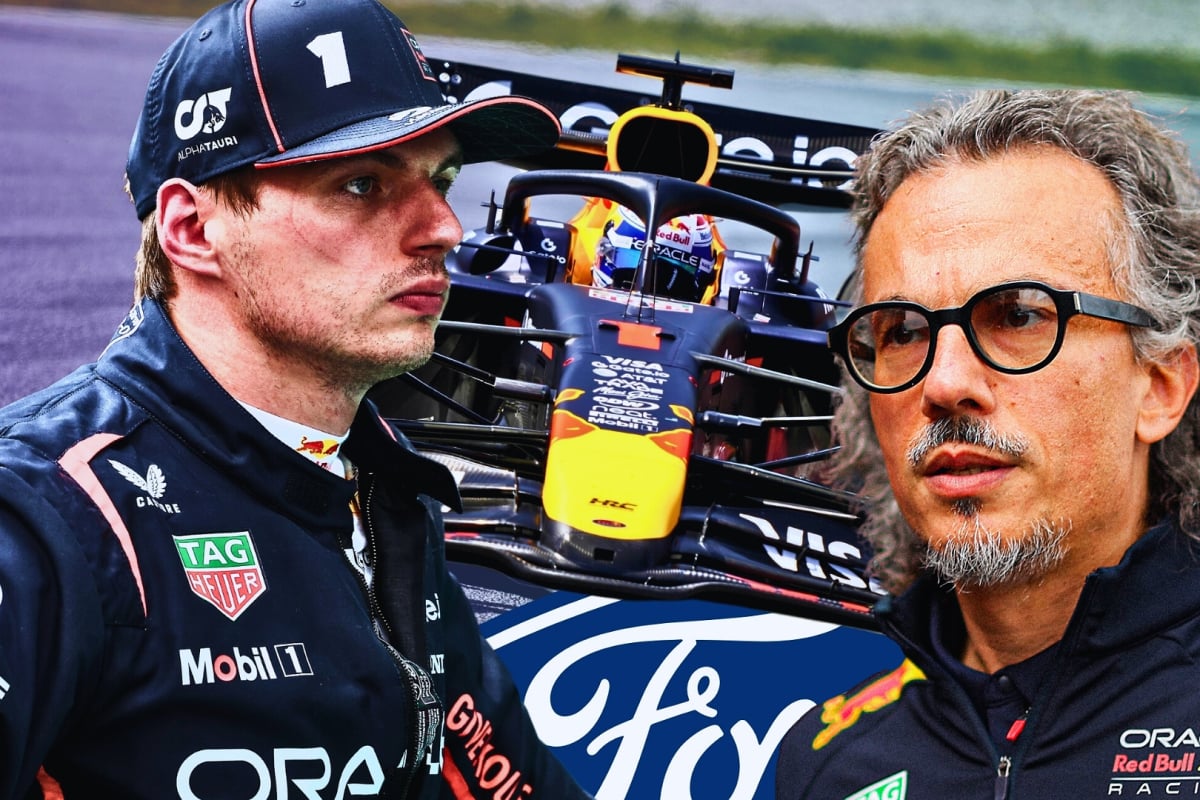
Red Bull Braced for Hidden 2026 Power Unit Battle Amid Internal Concerns
Red Bull Racing may be facing a very different challenge in the build-up to the 2026 Formula One season than many initially expected, according to revealing comments from former F1 race winner Juan Pablo Montoya.
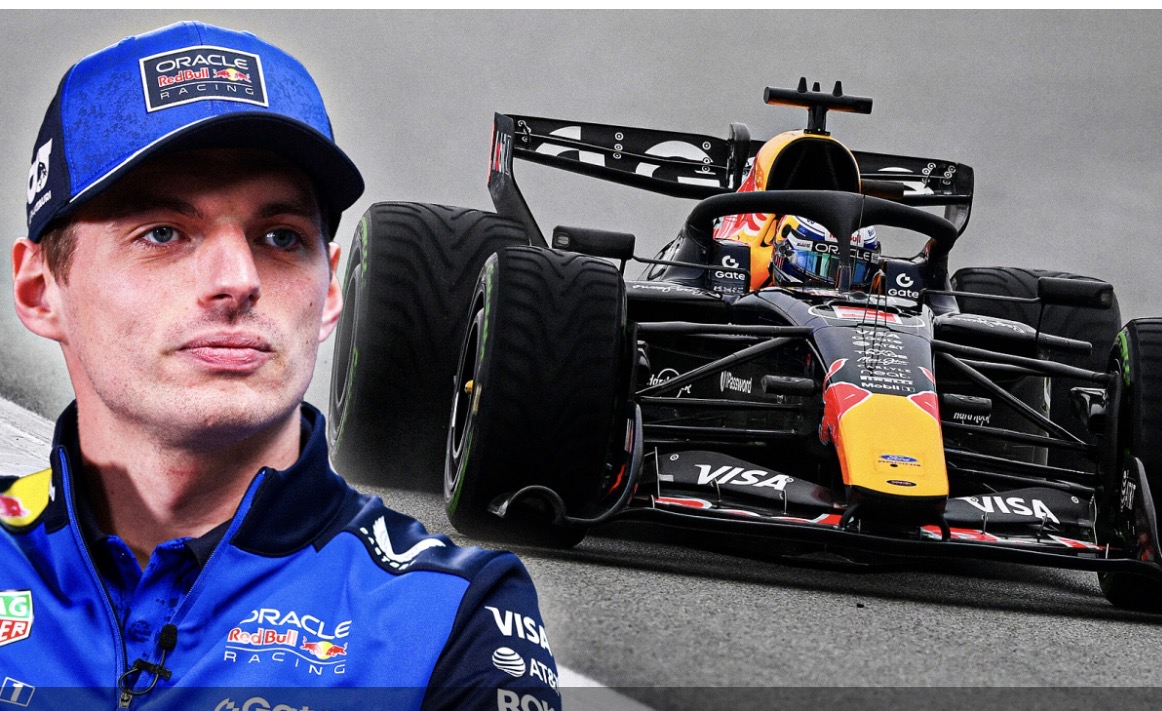
The Milton Keynes-based team is entering uncharted territory this year as it embarks on its first full works power unit project. From 2026, Red Bull Powertrains will supply engines to both Red Bull Racing and sister team Racing Bulls, working in partnership with Ford. This marks the end of an era-defining collaboration with Honda, which powered Red Bull to two constructors’ championships and four drivers’ titles between 2019 and 2024.
Early speculation surrounding Red Bull’s new engine programme largely focused on fears over reliability, particularly given the scale of the regulation overhaul and the complexity of the new hybrid rules. However, those concerns appeared to ease during last week’s private pre-season shakedown at the Circuit de Barcelona-Catalunya.
Reports from the closed-door test suggested that Red Bull enjoyed a smooth and productive week. Neither Max Verstappen nor new team-mate Isack Hadjar encountered any power unit-related failures, while both drivers reportedly topped the unofficial lap charts on different days. On the surface, the new Ford-backed engine looked solid and competitive.
Yet Montoya believes the real challenge lies elsewhere.
Speaking to AS Colombia, the seven-time grand prix winner revealed that Red Bull’s biggest concern has not been raw power or mechanical reliability, but rather the electronic systems and overall integration of the new power unit.
“I can give you some inside information,” Montoya said. “The Ford engine already had the power and reliability Red Bull wanted. That part has been there for some time. What they’re really worried about is the electronic side.”
According to Montoya, the issue revolves around driveability and how seamlessly the various systems communicate with one another. Unlike customer teams that inherit years of development data, Red Bull is effectively starting from scratch when it comes to marrying all the electronic components together.
“They don’t yet have that smoothness — how the power comes in, how the systems talk to each other, how everything integrates,” he explained. “That’s new territory for them.”
Montoya contrasted Red Bull’s situation with teams such as Aston Martin, who will benefit from Honda’s long-standing experience. “Honda already knows how everything works together because they’ve been developing it for years. Red Bull doesn’t have that luxury.”
Title Hopes Still Unclear
During the Barcelona test, Red Bull appeared to be competitive against the likes of Mercedes, McLaren and Ferrari. Ferrari ultimately set the quickest lap of the week through Lewis Hamilton, but testing times are notoriously misleading, particularly with fuel loads, engine modes and experimental setups all in play.
Adding to the uncertainty, no official timing data was released after Formula One cut live feeds on the opening day of the test in an effort to maintain secrecy. As a result, the true competitive order remains impossible to gauge ahead of the season-opening Australian Grand Prix in Melbourne in early March.
Whether Red Bull’s electronic concerns evolve into a genuine performance limitation remains to be seen. However, even if the package proves imperfect, few doubt that Verstappen will remain a constant threat. The four-time world champion demonstrated in 2025 that he can extract results from an inconsistent car, often outperforming rivals on pure ability alone.
With Hadjar stepping into the second seat and Red Bull eager to improve on back-to-back third-place finishes in the constructors’ championship, 2026 promises to be a defining season — one that could expose whether Red Bull’s bold engine gamble pays off, or leaves them fighting an unexpected internal battle beneath the bodywork.