Red Bull Fires Back With ‘Hand Grenade’ Line as McLaren Probes FIA Over Verstappen Engine Swap
A routine engine swap has exploded into a political storm in the Formula 1 paddock, with Red Bull issuing a fiery defence after McLaren questioned the legality of Max Verstappen’s new power unit at the Brazilian Grand Prix. What began as a straightforward technical decision has now dragged the FIA’s cost-cap interpretation into the spotlight—triggering a fresh wave of tension between two championship rivals.
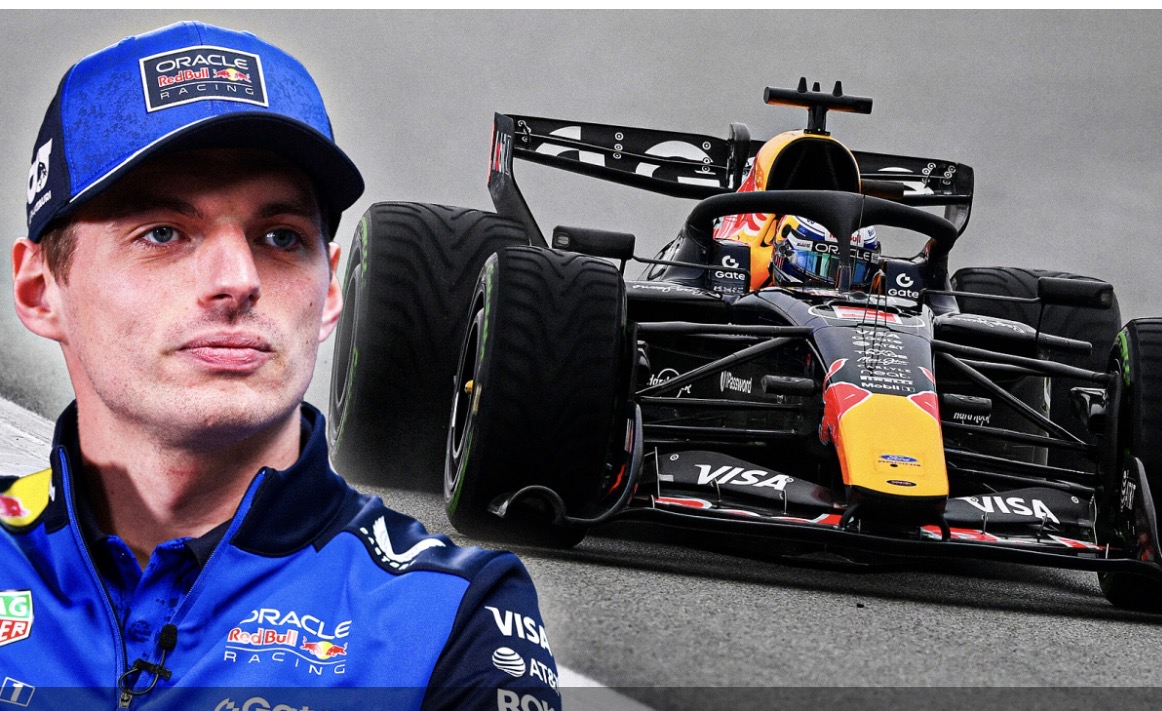
The controversy traces back to Verstappen’s unexpected Q1 exit at Interlagos—a rare stumble for the reigning World Champion. In response, Red Bull made the bold call to fit an entirely new Honda power unit ahead of the race. Under normal circumstances, this would simply mean a grid penalty and nothing more. But McLaren raised eyebrows, and then raised the issue directly with the FIA: Did Red Bull’s choice fall within the financial regulations, or was it skirting the limits of the cost cap?
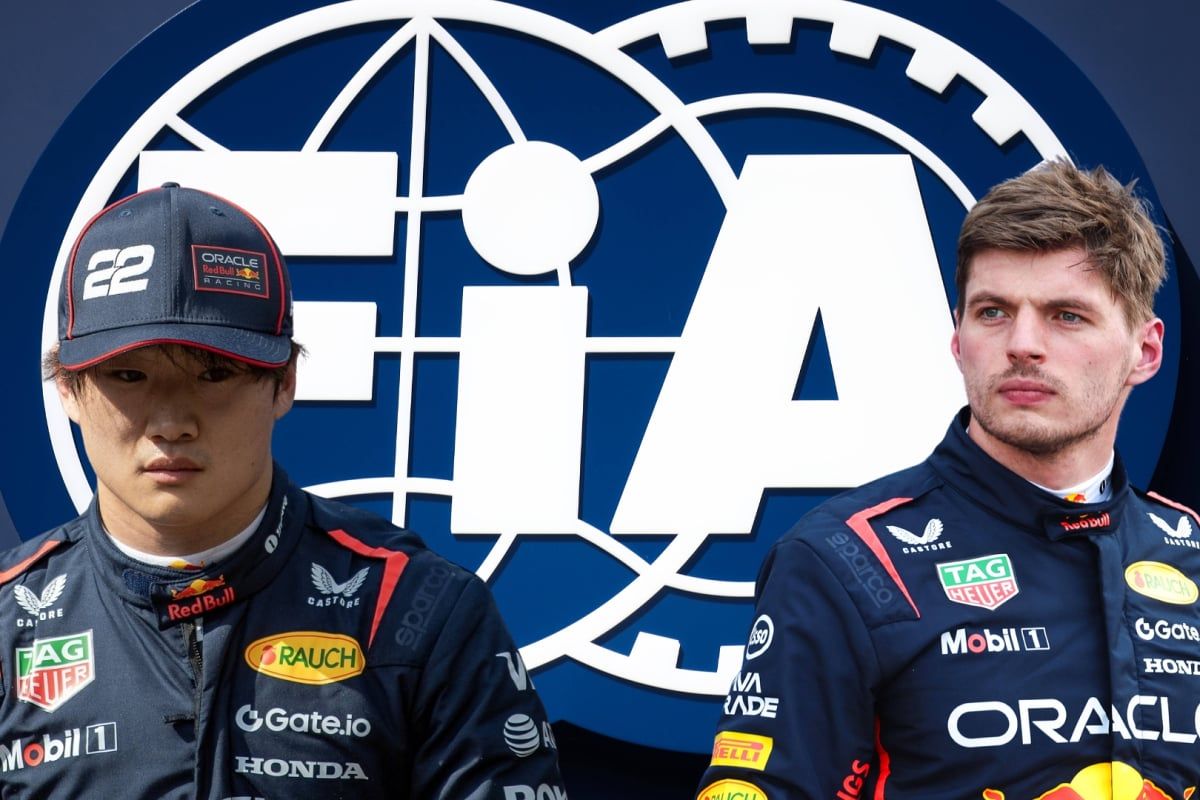
The question stems from a murky section of the rulebook. While replacing a damaged engine is standard practice, swapping to a fresh unit purely for performance gains offers no clear regulatory classification. Teams rely heavily on FIA guidance, and this area—according to some rivals—is far from crystal clear.
Sources within the paddock suggest the engine Verstappen used during qualifying remained perfectly usable and could have been reinstalled. Instead, Honda reportedly advised Red Bull to deploy the new unit, prompting the strategic switch that has since become the centre of debate.
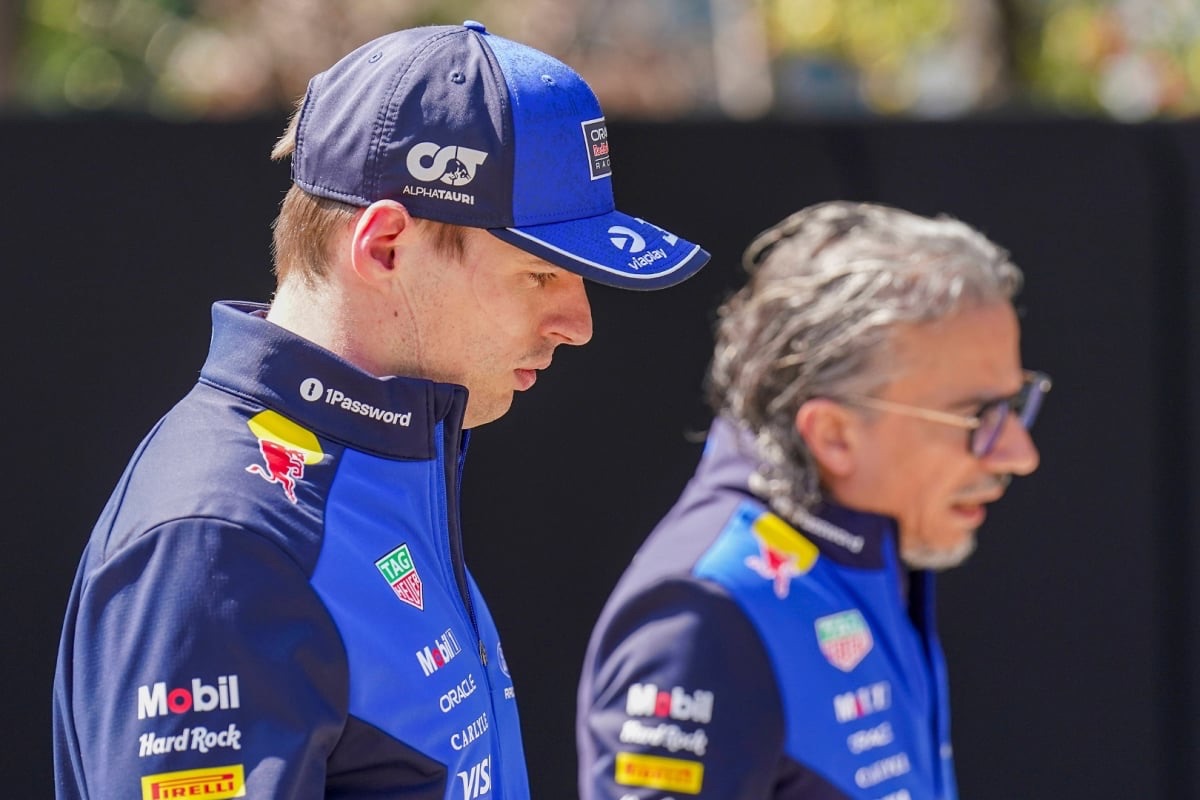
Red Bull’s chief engineer Paul Monaghan did not mince words when addressing the situation. Speaking to media, including RacingNews365, he likened McLaren’s inquiry to someone “rolling a hand grenade” into the middle of an otherwise straightforward event. The metaphor captured not only his irritation but the team’s belief that the issue had been deliberately escalated to cause trouble.
Monaghan made it clear that Red Bull stands firmly by its decision.
> “What we did is defensible, it’s legitimate,” he said. “If you review the engine changes across this era of cars, from 2022 to now, nothing we’ve done is unusual.”
According to him, the team followed the same precedent used by others in similar circumstances. Engine changes are not uncommon, and each team must justify the reasoning internally—and be prepared to defend it externally. Red Bull, he insists, is ready to do exactly that.
Monaghan also rejected the notion that the regulations surrounding such changes are vague.
“I personally don’t think it is a grey area,” he said bluntly. “We justified it to ourselves, and if someone wants to question us, we’re happy to explain our reasoning.”
However, when the more sensitive question came—whether the engine change falls inside or outside the cost cap—Monaghan sidestepped intentionally. He admitted he is no expert on the financial rulebook and refused to give a definitive answer.
> “I’m not going to answer that,” he said. “I know roughly what counts and what doesn’t, but I’m not the person to speak on finance regulations. What I can say is that I believe we can defend our actions, and I don’t expect any penalty at the end of the year.”
Monaghan joked that attempting to explain the financial angles might only make him “look even more of an idiot than normal,” ending the discussion before it drifted into territory he wasn’t comfortable addressing.
Despite his attempt to downplay the issue, the inquiry from McLaren adds a layer of tension to an already fierce rivalry. Both teams are fighting aggressively in the season’s closing stages—not just on track, but also in technical and regulatory battles. The cost cap, introduced to level the playing field, has become a minefield, with interpretations, challenges, and allegations now commonplace between teams.
McLaren’s move reflects the heightened sensitivity around compliance. Any potential infringement—even in interpretation—could affect championship standings, financial penalties, or reputational consequences. By raising the question, McLaren ensured the FIA must provide clarity, and perhaps more importantly, kept a spotlight fixed directly on Red Bull.
Whether this develops into a formal investigation or fades as a momentary flare-up remains to be seen. For now, Red Bull appears confident, asserting that its procedures were correct, justified, and fully defensible. McLaren, however, has made it clear that no ambiguity will go unchecked.
In a sport where performance, politics, and precision intersect, even something as routine as an engine swap can ignite a paddock-wide explosion—especially when someone decides to “roll a hand grenade” into the mix.