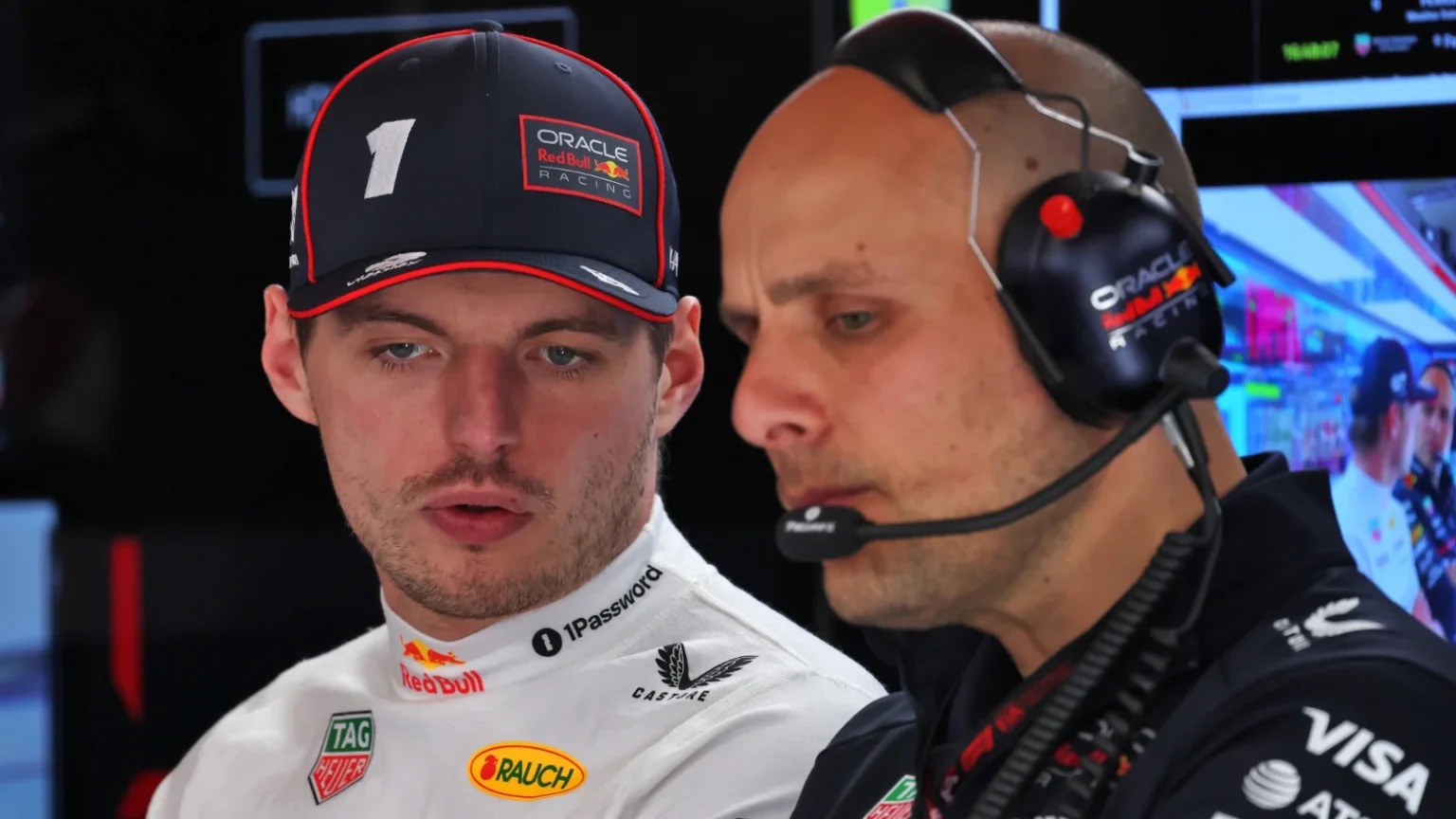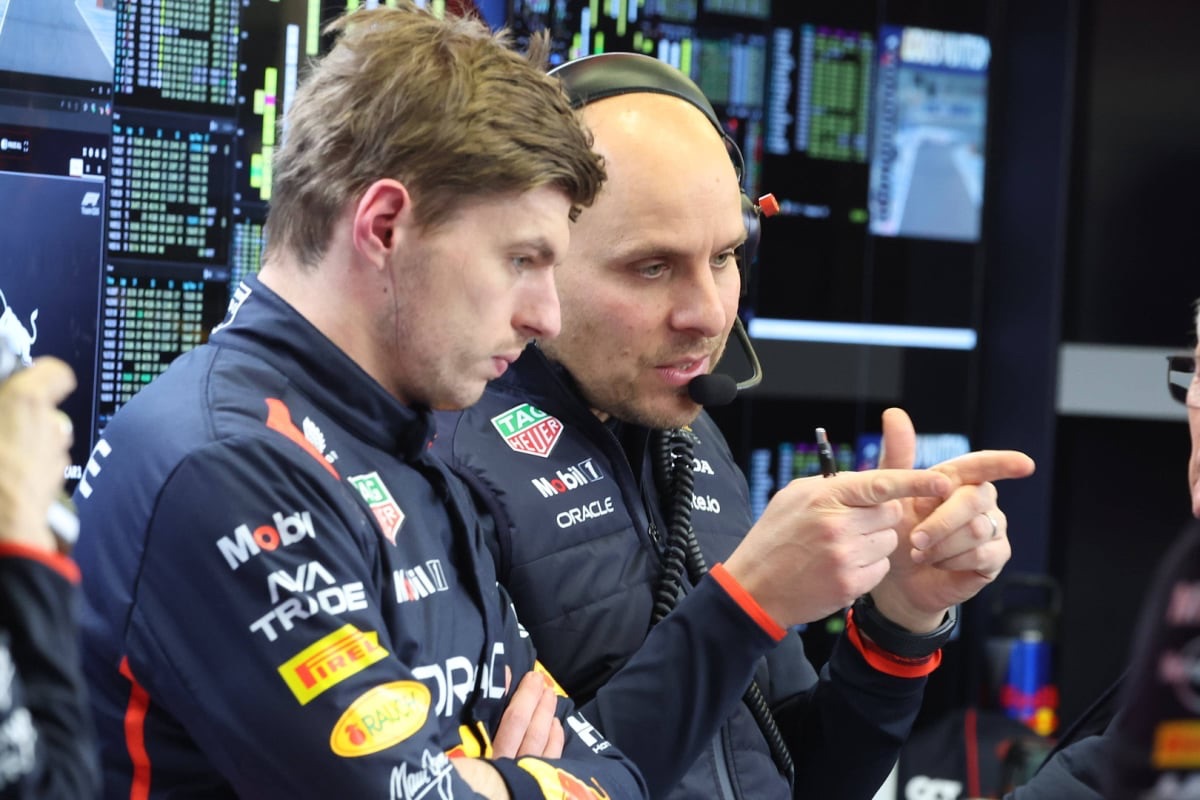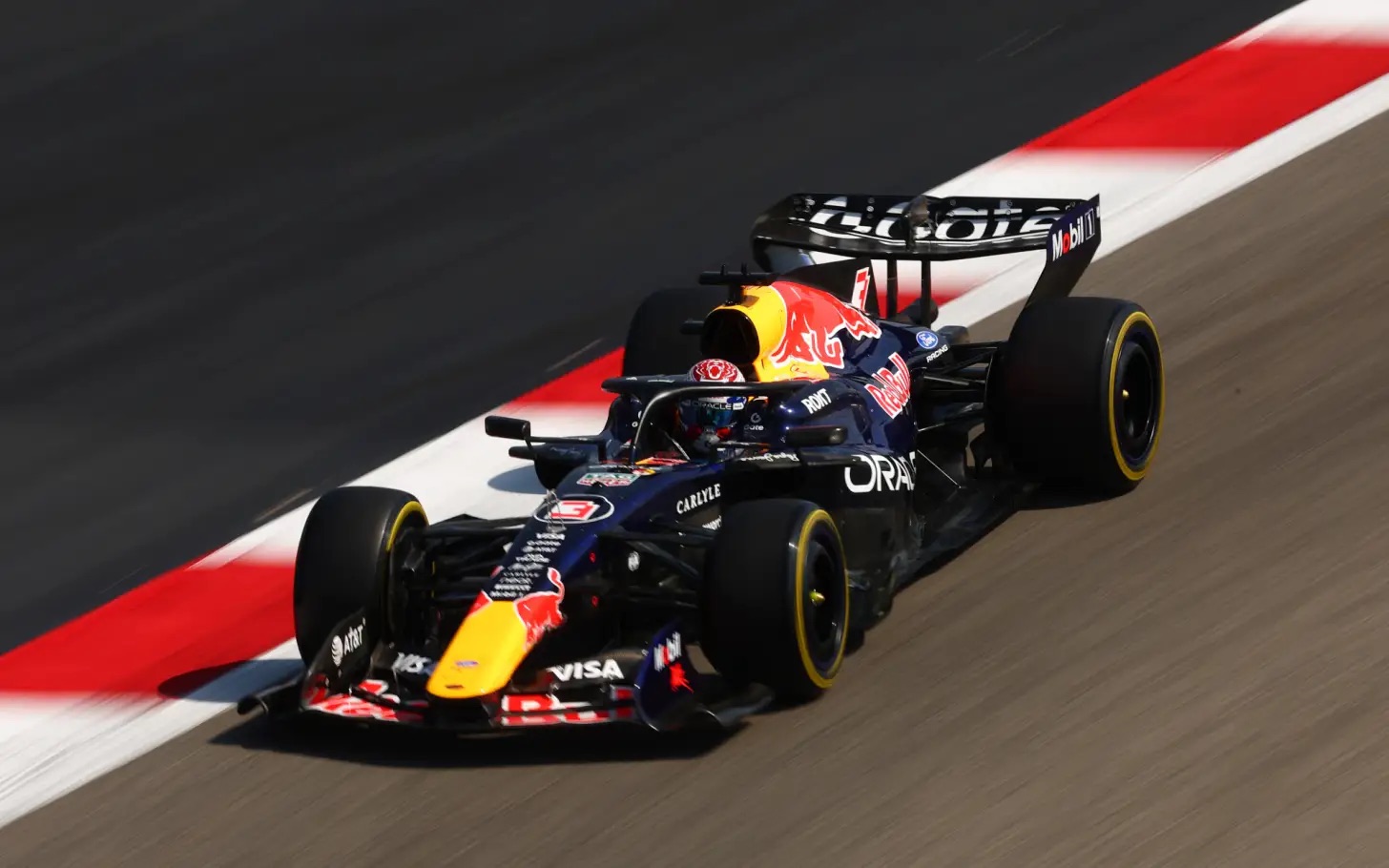
Recently Red Bull Racing has openly admitted that its new 2026 Formula 1 car — the RB22 — isn’t without its challenges as the team prepares for the coming season under a completely revamped set of technical regulations. According to Pierre Waché, the team’s technical director, one of the main issues facing the car at this early stage of development is its weight — a significant concern given how finely engineered F1 cars typically are, and especially under the sport’s new rules.
A New Era in F1 — and a Tough One
The 2026 season represents a dramatic reset in Formula 1, with major changes introduced to the regulations governing both aerodynamics and power units. These changes are designed to emphasize sustainability, energy efficiency, and exciting racing, especially in terms of hybrid technology and energy deployment throughout a race weekend. As a result, teams have had to rethink virtually every aspect of their car designs, from chassis structure and aerodynamics to how energy systems are integrated.
But shifting to an all-new technical formula isn’t without growing pains. At the heart of Red Bull’s present difficulties is the minimum weight requirement for the 2026 cars. The Fédération Internationale de l’Automobile (FIA) has lowered the minimum total weight from the previous limit — meaning cars must weigh significantly less than before. However, teams, including Red Bull, are finding it hard to reach that target because of the increased complexity and components required under the new rules.
In Formula 1, every kilogram matters — even a small excess can cost valuable performance over the course of a lap or a race distance. And when teams push hard to stay under the minimum limit without compromising structural strength or safety, they often find themselves making difficult engineering trade-offs. That’s exactly the situation Red Bull admits it’s facing right now.
What Red Bull Is Saying
Waché has publicly acknowledged that the RB22 currently carries more weight than ideal for peak performance. While he made clear during media sessions that this struggle isn’t unique to his team, he stressed that trying to reach the minimum weight requirement is proving tricky across the entire F1 paddock. In his view, many teams are wrestling with similar problems at this stage of pre-season preparations.
In fact, predecessors to Red Bull — going back to the technical overhaul in 2022 — have gone through very similar trials. Back then, when car design rules were also significantly changed, Red Bull’s car initially came in heavier than rivals but still proved competitive. Teams often treat early development as a balancing act: prioritizing reliability and structural integrity first, then later finding opportunities to trim weight once basic performance is validated.
What’s particularly notable in 2026 is that Red Bull Powertrains — the team’s own engine division, now in partnership with Ford — is building the power unit in-house for the first time in the team’s history. This is a fundamentally new challenge, as traditionally Red Bull relied on external engine partners such as Honda and Renault. Designing, integrating, and optimizing a complete power unit while meeting all of the strict technical rules makes the RB22 project even more complex.
Competitive Landscape and Team Views
Despite the concerns about weight, Red Bull’s car hasn’t shown glaring reliability issues in testing — at least not compared with rival teams. During the first pre-season tests in Bahrain, the RB22 managed sustained running, and driver Max Verstappen completed a large number of laps. Still, Verstappen has not held back in his criticism of the new generation of cars, describing driving them as “not much fun” compared with traditional F1 machinery. He’s suggested the energy management focus makes them feel more like electric racing machines than pure performance Formula 1 cars.
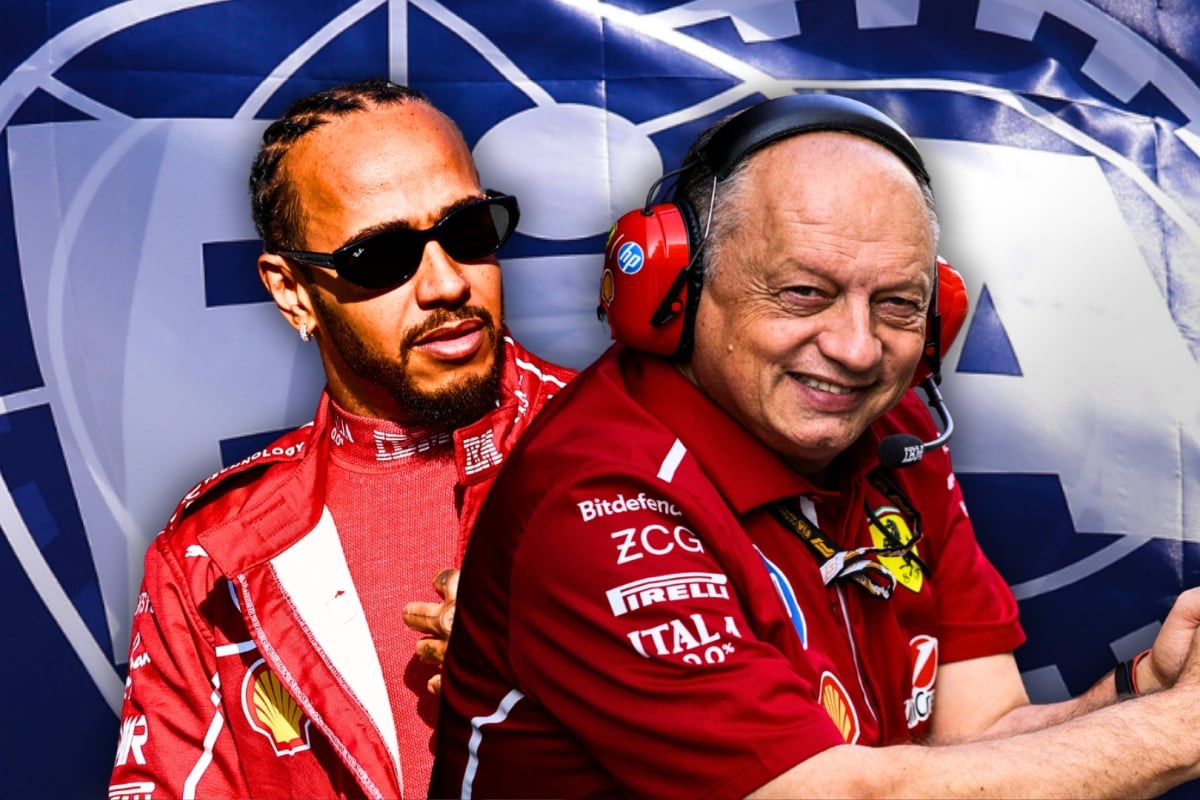
These sentiments echo broader frustration within the paddock about the 2026 rules — especially from veteran drivers like Lewis Hamilton, who believes that the changes have made the cars overly complex and less intuitive to drive. This mix of high technology and challenging performance characteristics requires teams and drivers alike to adapt quickly.
In contrast, some rival teams are highlighting their own problems. Reports show that Aston Martin F1 Team has admitted it is trailing others significantly after disappointing testing results, while a few drivers from other teams have also struggled with the new energy deployment rules and management strategies.
The Bigger Picture
Even though Red Bull has confirmed weight is a challenge, the team remains optimistic that addressing it is as much a development process as it is a competitive battle — something engineers across F1 understand well. Teams intend to systematically reduce unnecessary weight as more testing unfolds and as each part of the car is refined. This iterative process usually continues right up to the season opener (scheduled this year for Melbourne, Australia) and often beyond into the first races of the year, as performance and reliability data continue to roll in.
The RB22’s complex technical foundations — including hybrid energy management systems, new aerodynamic philosophies, and integration of Red Bull’s and Ford’s power unit — suggest that solving the weight issue is likely one of several engineering challenges. But given the team’s history of adapting well to new regulations and producing championship-winning cars, Red Bull’s engineers and leadership seem confident they can balance things out before the championship begins in earnest.
Conclusion
In essence, Red Bull’s confirmed issue with the 2026 car is less about a catastrophic flaw and more about the normal difficulties that come with an enormous technical shift in F1. The RB22 — while showing competitive pace and endurance in early testing — currently carries more weight than the new regulations ideally allow, and the team is hard at work fixing it. However, this problem is not unique to them, and tackling it effectively will be crucial to maximizing performance once the season gets underway.