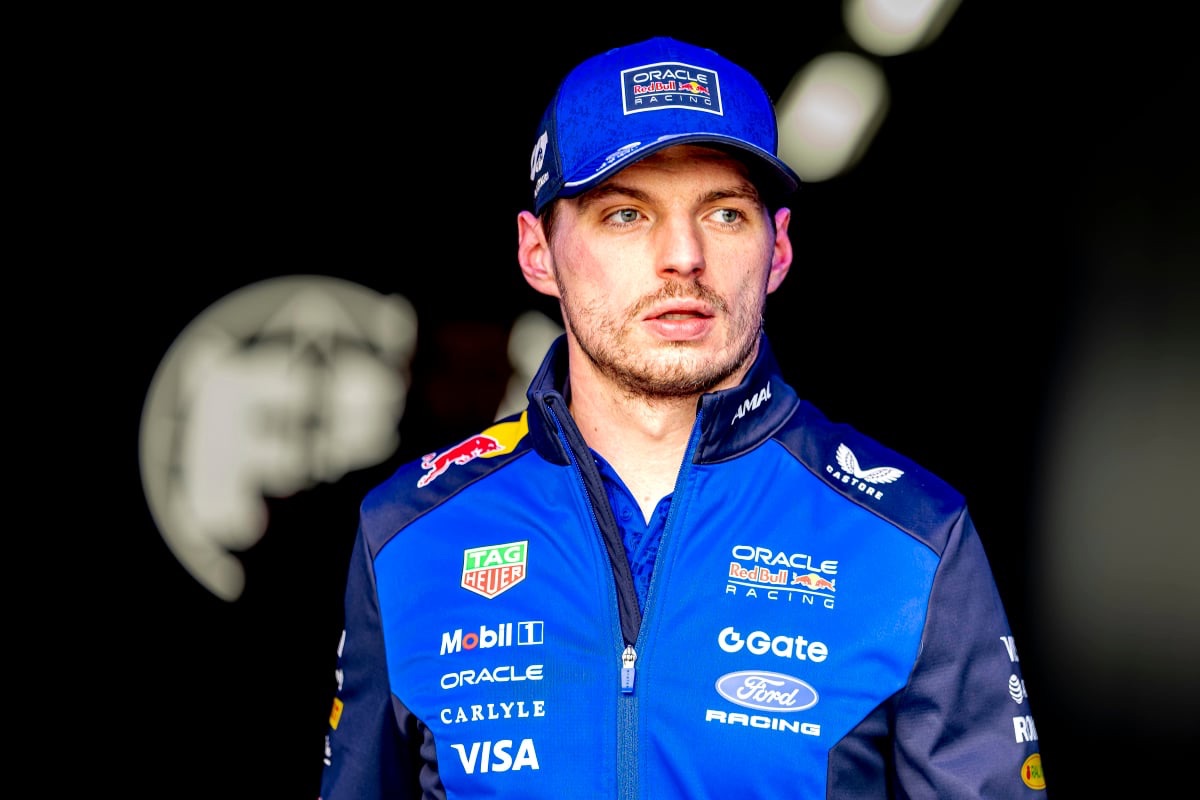
Red Bull Racing are facing yet another significant internal setback, as reports suggest a key figure closely associated with Max Verstappen has decided to leave the team. The development adds to a growing list of high-profile departures that have raised concerns about stability within the once-dominant Formula 1 outfit.
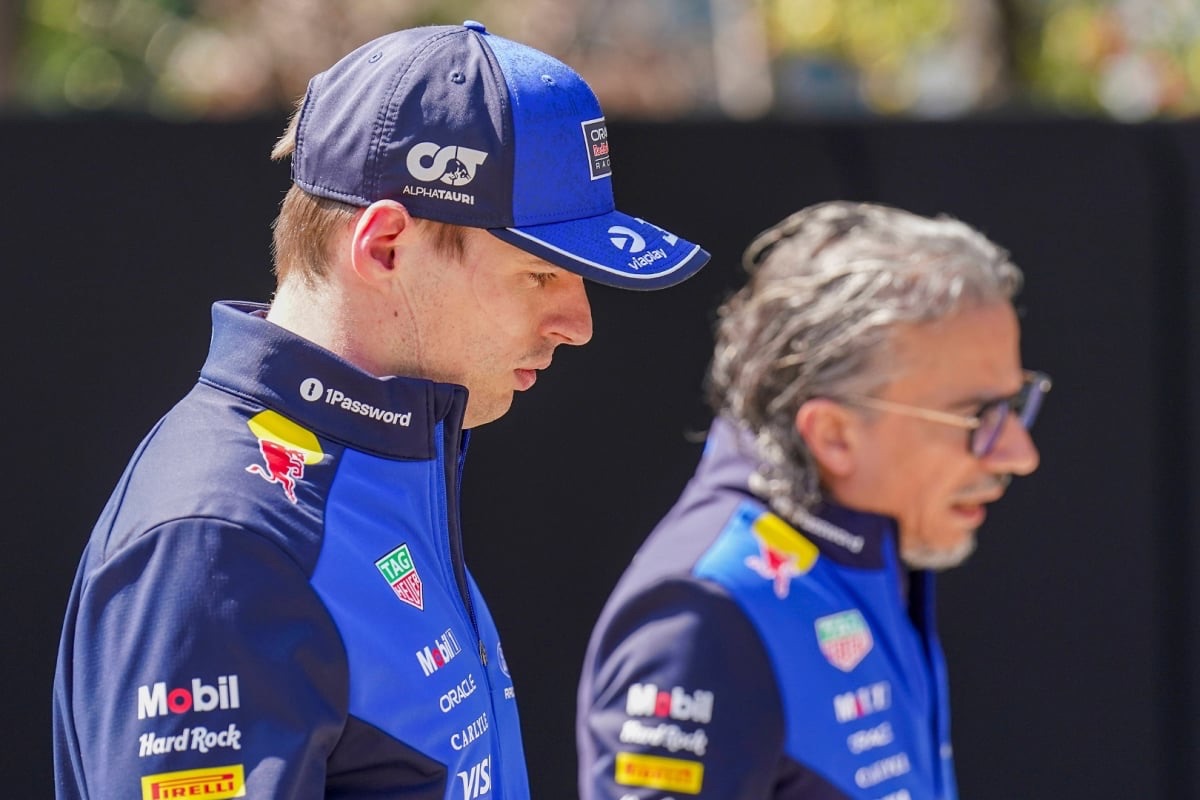
According to reports, Ole Schack, a long-serving front-end mechanic who worked directly with Verstappen, has resigned from his position. Schack had been a familiar presence in the team since the championship-winning era of Sebastian Vettel, playing a consistent role behind the scenes during Red Bull’s most successful periods. His departure is believed to stem from dissatisfaction with how the team environment has evolved in recent years, with insiders suggesting that internal changes have altered the culture significantly.
This latest exit follows a series of major personnel losses that have gradually reshaped Red Bull’s structure. Among the most notable was legendary designer Adrian Newey, who left to join Aston Martin, marking the end of an era for the team’s technical dominance. Sporting director Jonathan Wheatley also stepped away, while other experienced staff have moved on to rival teams, further weakening Red Bull’s depth of expertise.
Even within the wider Formula 1 paddock, Red Bull’s former personnel have been snapped up by competitors. McLaren, for instance, secured the services of strategist Will Courtenay, while ex-head mechanic Lee Stevenson transitioned to a role with Audi. These departures have not only reduced continuity within Red Bull but have also strengthened rival operations.
Leadership changes have compounded the situation. Former team principal Christian Horner was relieved of his duties in 2025, a move that sent shockwaves through the sport. Although Horner is reportedly seeking a return to Formula 1, his absence has left a leadership vacuum that is still being addressed. Meanwhile, long-time advisor Helmut Marko stepped away from the sport at the end of the 2025 season, removing another key pillar of Red Bull’s management structure.
With so many influential figures gone, Red Bull CEO Oliver Mintzlaff has taken a more direct role in overseeing the team’s operations. However, reports indicate that the increasing pressure to maintain competitive results is beginning to weigh heavily on him. Red Bull, once the benchmark of consistency and dominance, now finds itself under scrutiny as it attempts to navigate a period of transition.
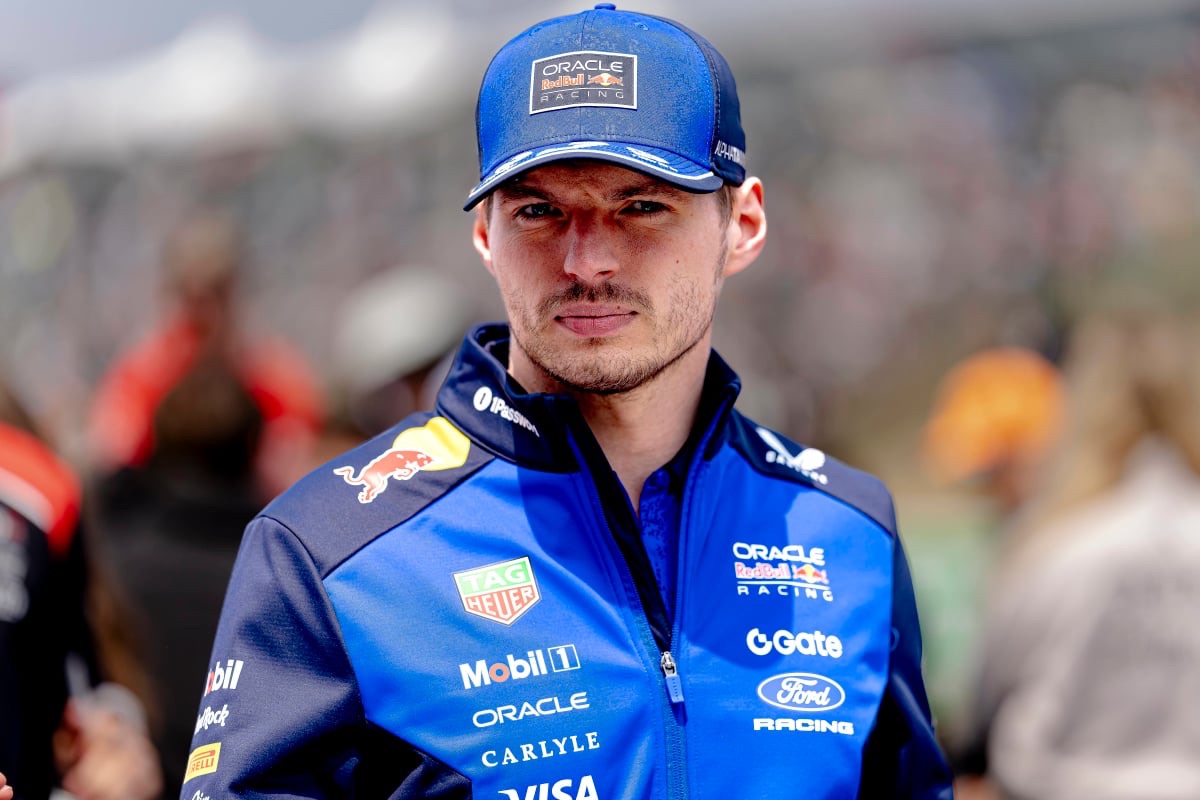
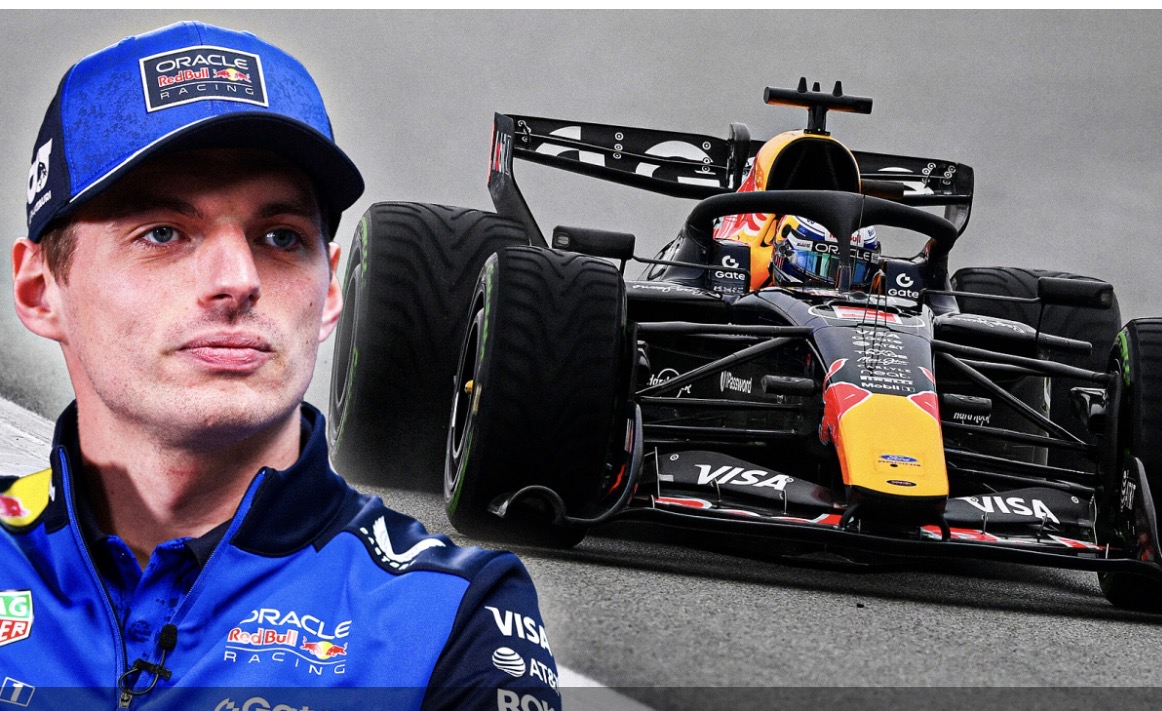
Adding to the uncertainty is the situation surrounding Verstappen himself. Despite being a four-time world champion, the Dutch driver has recently expressed doubts about his long-term future in the sport. Following the Japanese Grand Prix, reports from Dutch media suggested he is seriously contemplating stepping away from Formula 1 altogether.
Verstappen’s own remarks have only fueled speculation. Speaking after the race, he emphasized the importance of enjoyment in sustaining peak performance, admitting that his current experience in Formula 1 has become increasingly challenging. While he remains fully committed on track, he acknowledged that maintaining that level of dedication without genuine satisfaction is proving difficult.
He also addressed critics who might attribute his frustrations to a lack of competitiveness, insisting that his concerns run deeper than simply winning or losing. For Verstappen, the issue lies in the broader experience of competing under evolving regulations and circumstances that no longer align with his personal sense of fulfillment.
As Red Bull continues to grapple with internal changes and growing external pressure, the loss of another trusted team member underscores a wider issue within the organization. With uncertainty surrounding both its leadership structure and its star driver, the team faces a crucial period that could define its future trajectory in Formula 1.