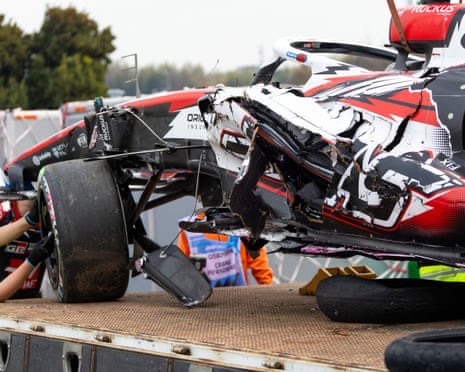
A testing session involving Red Bull Racing was temporarily halted at the Suzuka International Circuit after a crash involving rising junior driver Arvid Lindblad. The incident occurred during a post-race tyre test organized shortly after the Japanese Grand Prix, drawing attention to the unpredictable conditions teams faced during the session.
The two-day programme at Suzuka was designed primarily to support Pirelli in developing and evaluating its dry-weather tyres ahead of future Formula 1 races. Several teams remained in Japan specifically for this purpose, choosing to continue track work despite an unexpected five-week gap in the racing calendar caused by recent schedule disruptions. Each participating team brought a single car, allowing them to contribute valuable data while also giving junior or reserve drivers additional track experience.
Among those taking part was Isack Hadjar, who stepped into the Red Bull car in place of reigning world champion Max Verstappen. At the same time, Lindblad, a highly regarded prospect within the Red Bull junior system, was behind the wheel for sister outfit Racing Bulls.
However, the session took an unexpected turn when Lindblad lost control of the car and crashed at a section of the circuit located just beyond Turn 9, near the bridge. Images circulating online showed the car significantly damaged at the front, missing its front wing as it was recovered by track marshals. The crash prompted an immediate red flag, bringing testing activities to a halt while the track was cleared and safety checks were carried out.
Although the test had been planned around dry tyre running, weather conditions at Suzuka proved less cooperative. Damp patches and intermittent wet conditions appeared to contribute to the difficulty drivers experienced on track. These mixed conditions may have played a role in Lindblad’s loss of control, though no official cause has been confirmed.
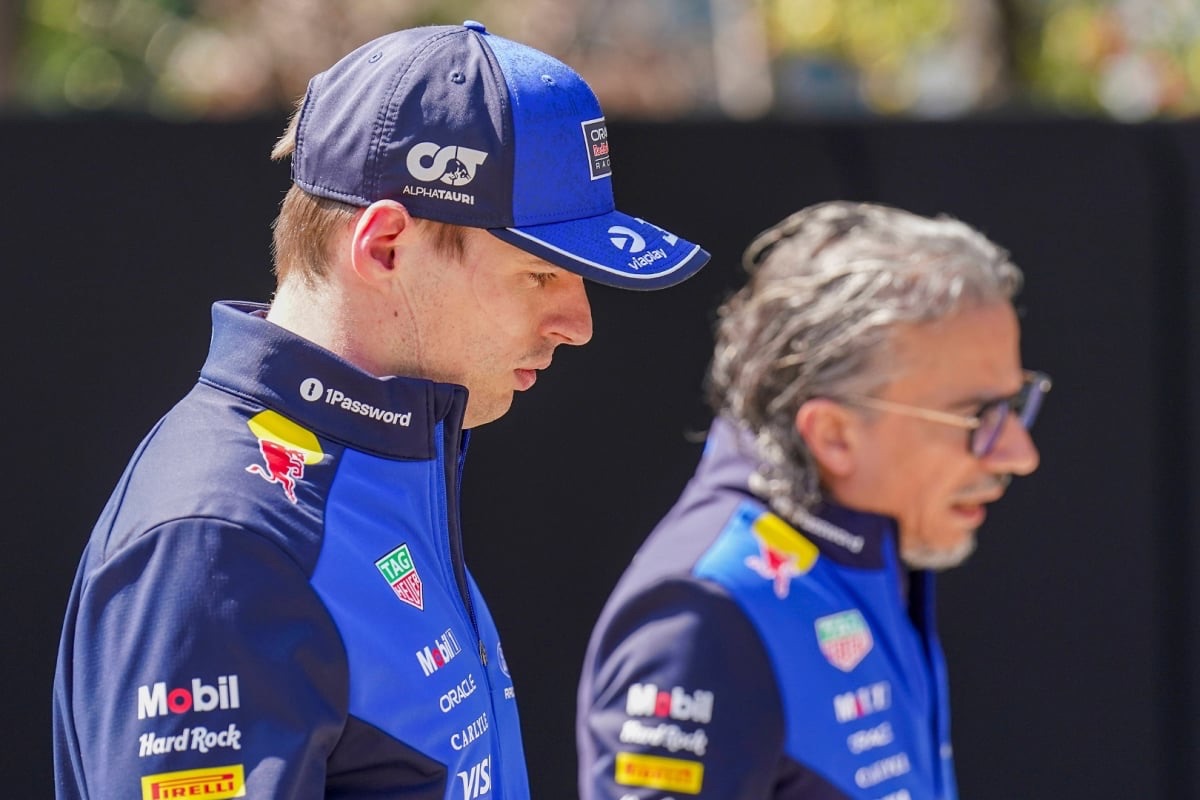
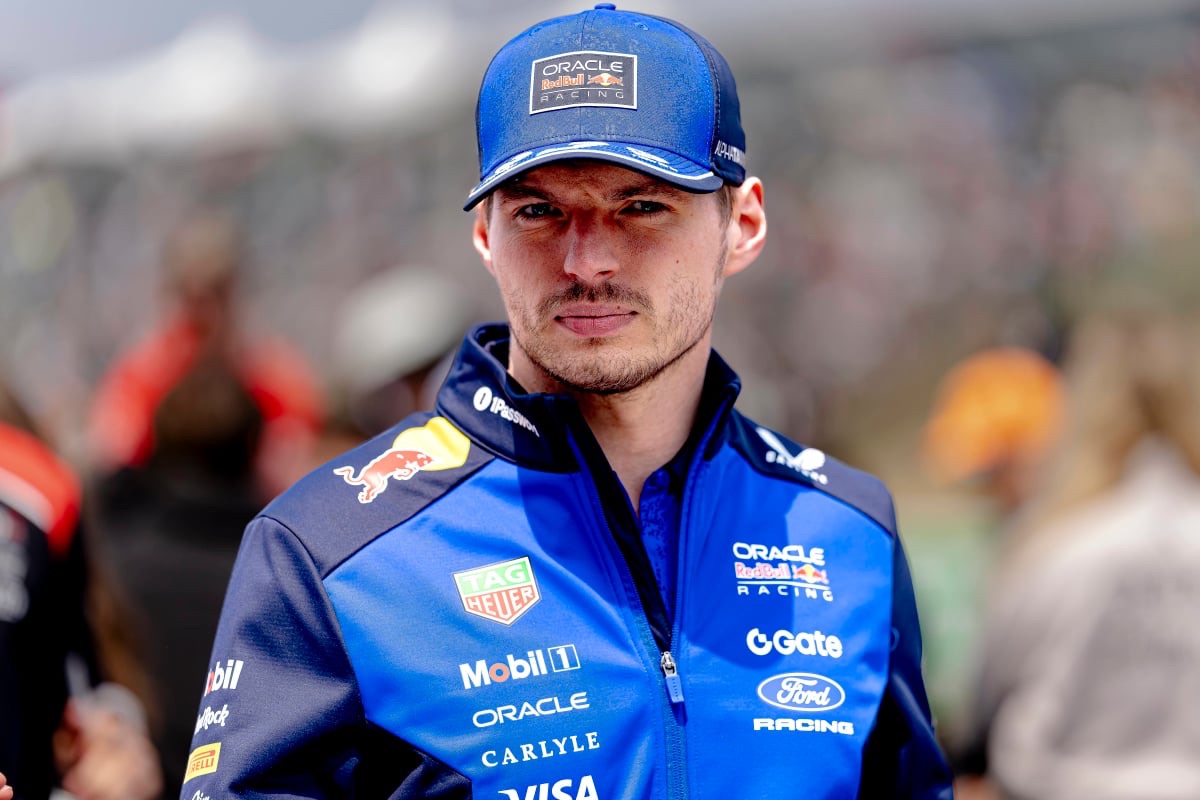
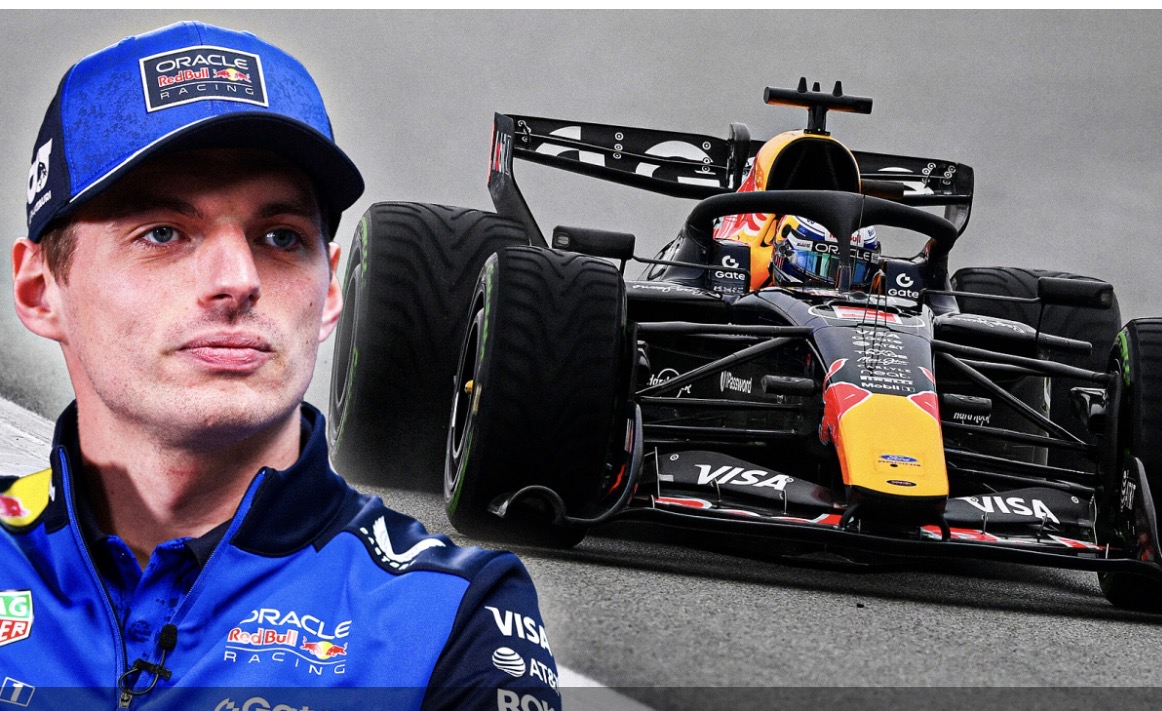
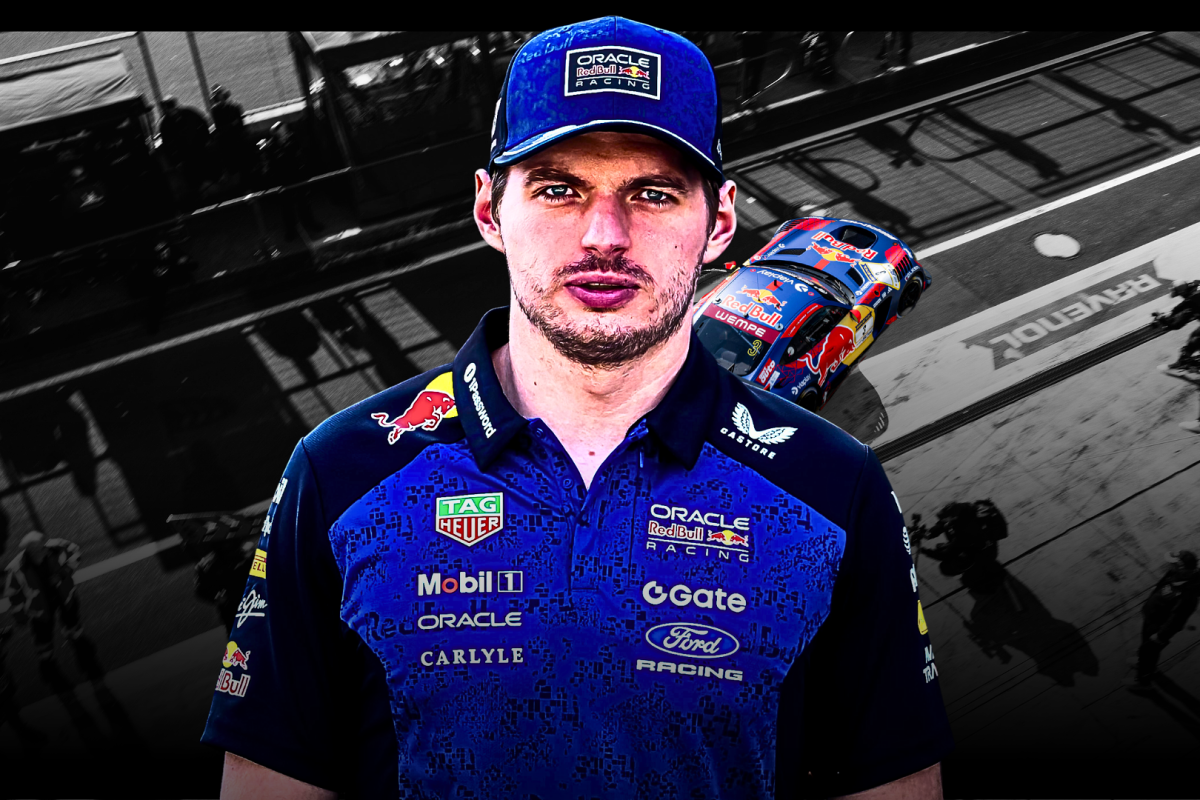
Meanwhile, Verstappen’s absence from the test did not go unnoticed. Following a challenging Japanese Grand Prix weekend and ongoing frustrations with the current Formula 1 regulations, the four-time world champion chose not to participate in the Suzuka programme. Instead, he travelled to Germany to continue private running at the legendary Nürburgring Nordschleife, where he has increasingly spent time exploring other racing opportunities outside Formula 1.
There had been earlier speculation that local favourite Yuki Tsunoda might take over driving duties for Red Bull during the test, but those plans did not materialize, leaving Hadjar to handle the responsibilities.
Verstappen’s recent comments about potentially stepping away from Formula 1 have added another layer of intrigue to the situation. The Dutch driver has openly expressed dissatisfaction with the sport’s evolving technical regulations, sparking debate about his long-term future. While it remains unclear whether his remarks signal a genuine intention to retire or simply frustration in the moment, his absence from official team activities such as the Suzuka test has only fueled further speculation.
As Formula 1 looks ahead to major regulatory changes planned for 2027, there is growing pressure on the sport’s governing bodies to ensure that top drivers remain engaged and committed. Retaining talents like Verstappen will likely be a key priority, particularly as the competitive landscape continues to shift.
For now, the focus returns to Suzuka, where teams will aim to resume testing and gather the crucial tyre data needed for future races—once the track is declared safe and running conditions improve.