Red Bull Defend Bold “Crazy” Call to Build Their Own F1 Power Unit
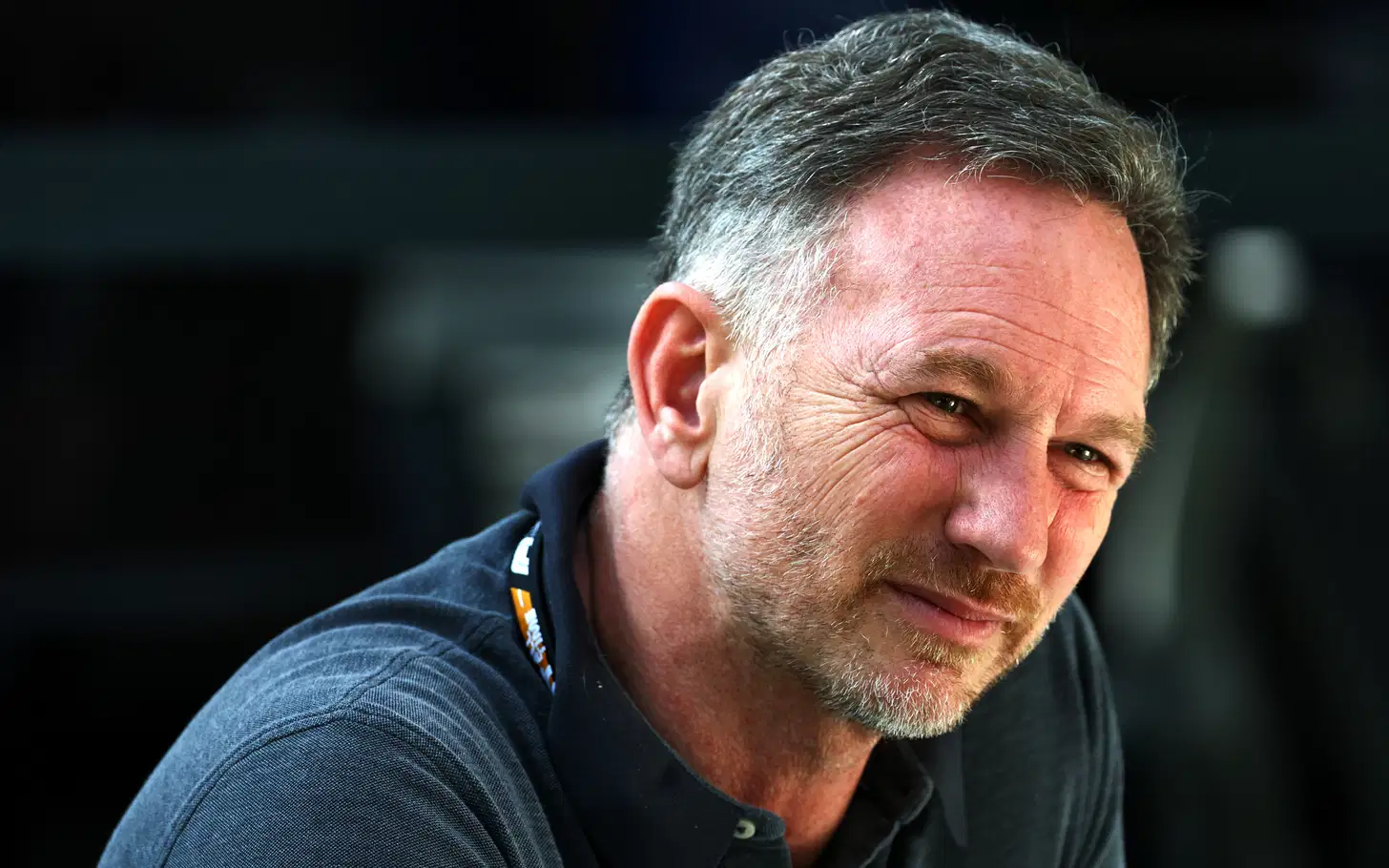
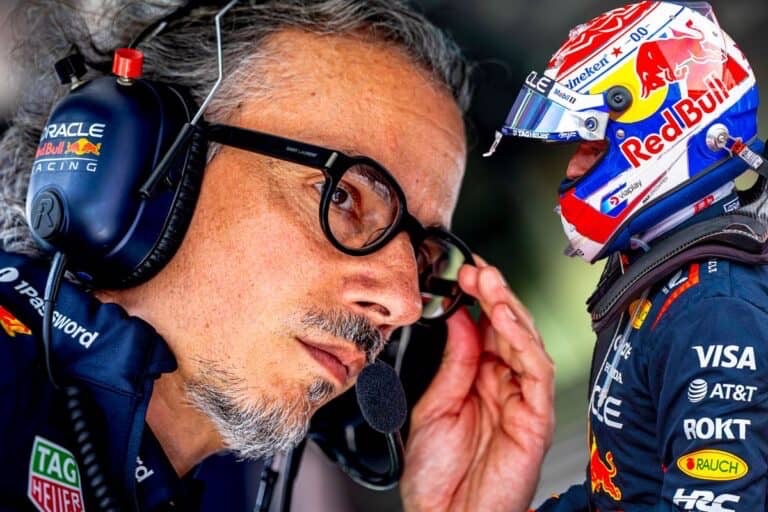
Red Bull team principal Laurent Mekies has openly acknowledged just how extreme the team’s decision to produce its own Formula 1 power unit has been, describing the move as nothing short of “crazy” as the squad prepares for one of the biggest technical challenges in its history.
The Milton Keynes-based team is entering a period of major transition, with Formula 1 set to introduce a sweeping regulation reset next season. The new rules will overhaul both power unit technology and aerodynamic concepts, forcing every team and manufacturer to rethink its approach from the ground up.
Amid this uncertainty, Red Bull made the highly ambitious choice to become a full works power unit manufacturer for the first time. In partnership with Ford, the reigning champions committed to designing, building, and running their own engine, bringing an end to their long and successful collaboration with Honda.
With the Red Bull Powertrains project now in its final stages ahead of its first on-track appearance next month, Mekies admitted the scale of the decision still stands out, even within the risk-taking culture Red Bull is known for.
“We’ve said it many times now, the decision to do your own power unit, in our case with the support of Ford, is the craziest decision one can take,” Mekies told media, including RacingNews365. “It was a crazy call, probably a call that only Red Bull can make.”
Mekies stressed that Red Bull’s rapid transformation from a customer team into a manufacturer highlights just how enormous the task has been. In only a few years, the team has built an entire engine operation from scratch, including facilities, infrastructure, and a highly specialised workforce.
“We started in this field, we now have a building, we have the dynos, we have 600 people,” he explained. “And we are going to try to fight against people who have been doing it for 90 years.”
Despite the daunting odds, Mekies made it clear that the challenge itself is part of what motivated Red Bull to take such a bold step. Rather than shy away from competing against established giants like Ferrari and Mercedes, Red Bull has embraced the difficulty of the task as a reflection of its identity.
“We love the challenge; we love that idea,” he said. “It’s very Red Bull, and we are very proud to do it with Ford.”
Ford’s return to Formula 1 as a technical partner adds further significance to the project. While Red Bull is leading the power unit operation, Ford’s involvement brings additional expertise, resources, and long-term commitment as the sport enters a new hybrid era focused on sustainability and electrification.
However, Mekies was quick to temper expectations ahead of the engine’s competitive debut. He made it clear that Red Bull does not expect to start the new regulations with the strongest power unit on the grid, acknowledging the reality of taking on manufacturers with decades of experience.
“It would be naive to think that we are going to land it on the top spot straight away,” Mekies admitted. “We know we are going to have a few very, very tough months.”
Those early months, according to Mekies, are likely to be demanding both technically and mentally. The pressure of development, testing, and refinement will test the resilience of everyone involved in the project.
“Many sleepless nights, a few headaches,” he said. “But it’s also part of the privilege to be associated with this sort of challenge.”
Red Bull’s willingness to accept short-term pain in pursuit of long-term independence has been a defining theme of the project. While the team hopes to remain competitive and continue fighting for world championships under the new rules, Mekies suggested that success will not be measured solely by immediate results.
Instead, the power unit programme represents a strategic investment in Red Bull’s future in Formula 1 — one that could eventually give the team complete control over its technical direction and competitive destiny.
As the new era approaches and the Red Bull-Ford engine edges closer to its first real test, the team finds itself facing one of the most critical moments in its modern history. Whether the “crazy” decision ultimately proves inspired or overly ambitious will only become clear once the lights go out on track — but for now, Red Bull remains fully committed to the challenge it has chosen to embrace.