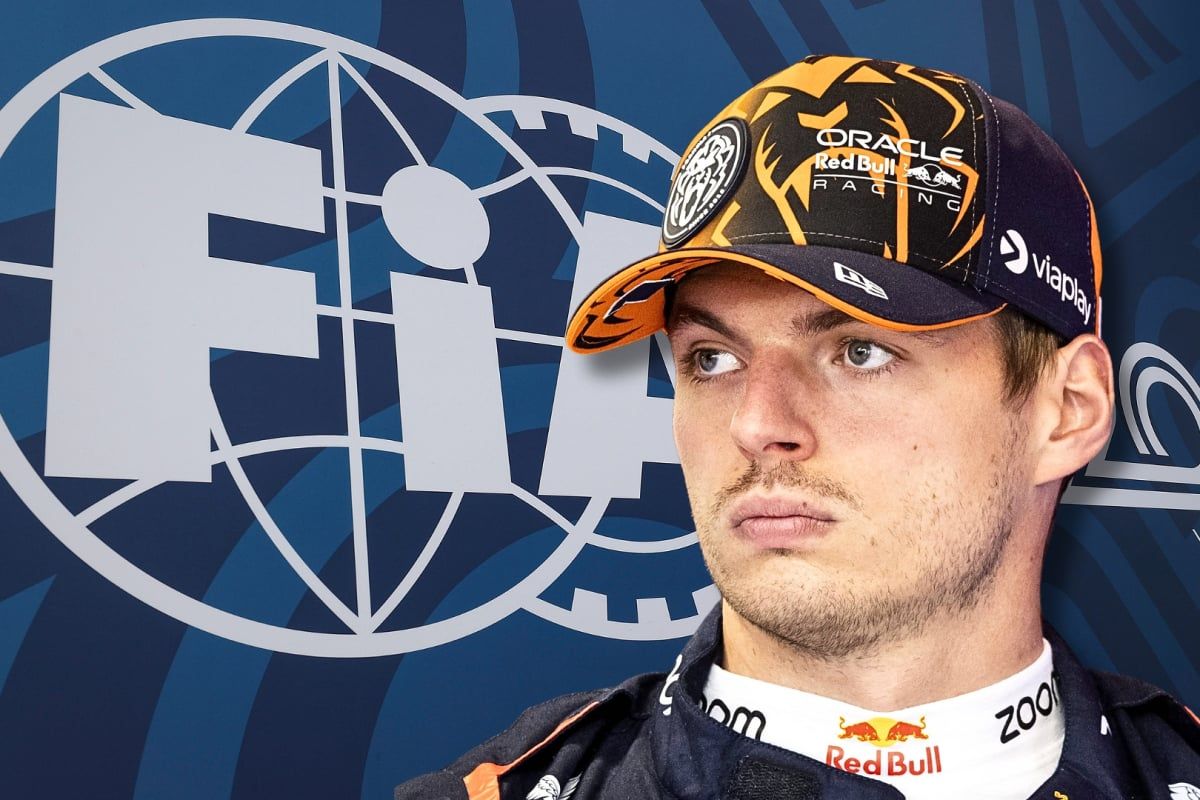
Red Bull ‘nervous’ over Max Verstappen F….read more
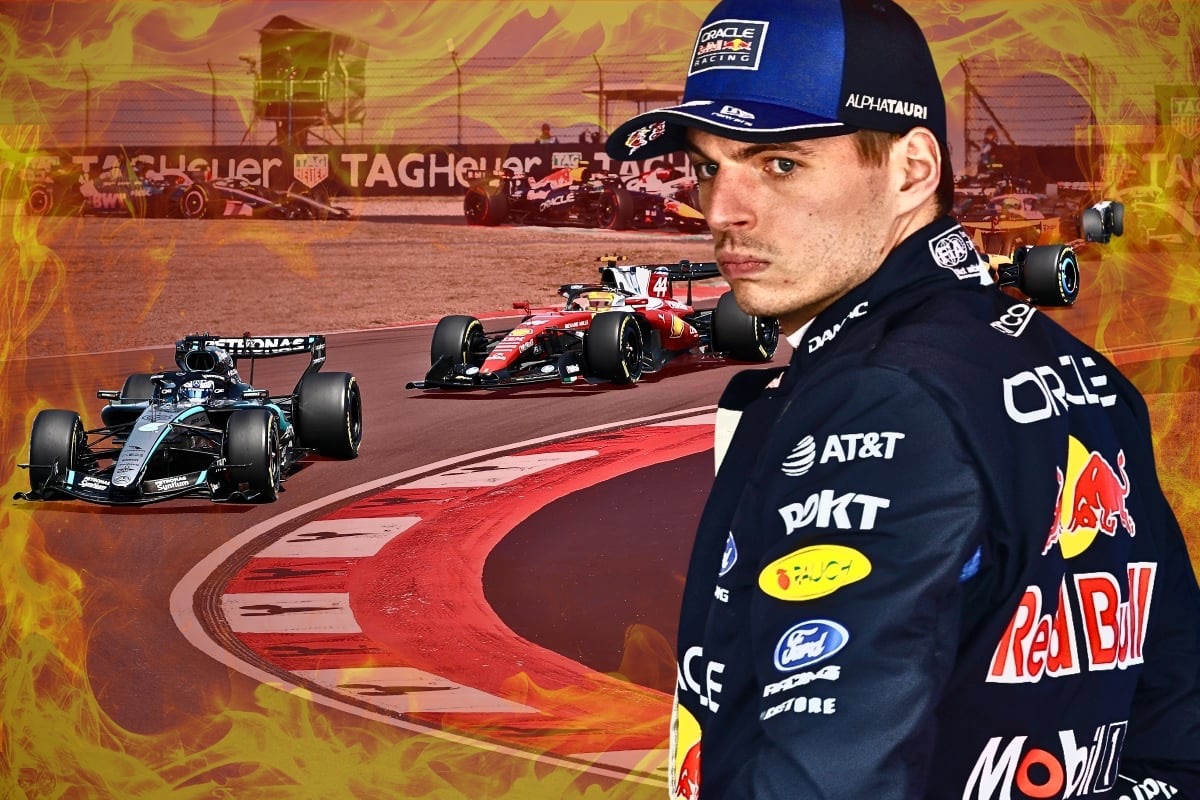
Red Bull Racing are reportedly growing uneasy about the long-term future of Max Verstappen in Formula 1 as the sport prepares for one of the most radical technical shake-ups in its history.
From next season, Formula 1 will introduce sweeping regulation changes that will fundamentally alter both chassis design and power unit philosophy. The new rules place far greater emphasis on electrical energy deployment, energy harvesting, and overall efficiency. As a result, the driving style required to extract performance from the cars is expected to change significantly, moving away from the aggressive, instinctive approach that has defined Verstappen’s success.
Former Formula 1 driver and respected analyst Karun Chandhok has revealed that several members of Red Bull Racing are privately worried that Verstappen may struggle to enjoy racing under the new regulations. Speaking to Sky F1, Chandhok explained that conversations within the team suggest genuine concern about how the Dutchman will react to the sport’s new era.
According to Chandhok, he encountered Red Bull personnel while traveling during the season, and their apprehension was clear. They fear that Verstappen — known for his love of pushing flat-out and racing on instinct — may not find the heavily managed, energy-focused cars enjoyable.
“There’s a big question mark over how much Max will actually enjoy this next generation of Formula 1 cars,” Chandhok said. “Some people at Red Bull admitted they’re a bit nervous. They’re concerned that F1 in 2026 and beyond might not appeal to him in the same way.”
The concern is not isolated. Several drivers across the grid have already expressed reservations after testing the upcoming cars in simulators. Feedback has suggested that the new machinery may feel less natural to drive, requiring constant energy management rather than pure racing aggression. For a driver like Verstappen — who thrives on control, commitment, and attacking racing — this represents a potential clash of philosophy.
Chandhok added that if Verstappen does struggle with the new style, it could open opportunities for younger drivers who adapt more easily to the revised regulations. One name mentioned was Isack Hadjar, who could benefit from a formula that rewards technical discipline and efficiency over raw instinct.
“They hope it doesn’t come to that,” Chandhok explained. “But if Max doesn’t enjoy it, it could favour someone who’s grown up with this type of racing mindset.”
Verstappen himself has never hidden his frustration with certain aspects of modern Formula 1. Over recent seasons, he has repeatedly voiced concerns about the ever-expanding race calendar, the physical and mental toll of constant travel, and the increasing number of sprint race weekends. He has also been openly critical of changes that, in his view, reduce the purity of racing.
Importantly, Verstappen has already acknowledged that his future in Formula 1 may depend heavily on how enjoyable the new regulations prove to be. He has stated publicly that if the sport stops being “fun,” he would not hesitate to explore life beyond F1 — an unusually honest stance for a driver still at the peak of his career.
However, when asked whether Verstappen might walk away mid-season if he dislikes the new car, Chandhok dismissed the idea. He pointed to Verstappen’s professionalism and competitive mindset, noting that even during difficult periods, the Dutchman remains fully committed.
“This year showed that he doesn’t just quit,” Chandhok said. “Even when things don’t go perfectly, Max stays and fights. Walking away mid-season isn’t in his nature.”
Contractually, Verstappen remains tied to Red Bull until the end of the 2028 season. While that offers some security on paper, Formula 1 history has shown that elite drivers will always prioritise motivation and enjoyment over long-term agreements if circumstances change dramatically.
For Red Bull, the situation represents a delicate balancing act. Verstappen is the cornerstone of their modern success, but the upcoming regulation shift could redefine competitive order — and driver satisfaction — across the grid. Whether Verstappen embraces the challenge or grows disillusioned may ultimately shape both his future and Red Bull’s direction in Formula 1’s new era.
As the countdown to the regulation reset continues, one thing is clear: Red Bull’s nervousness is not about performance alone — it’s about keeping one of the greatest talents of his generation engaged in a sport that is rapidly evolving.