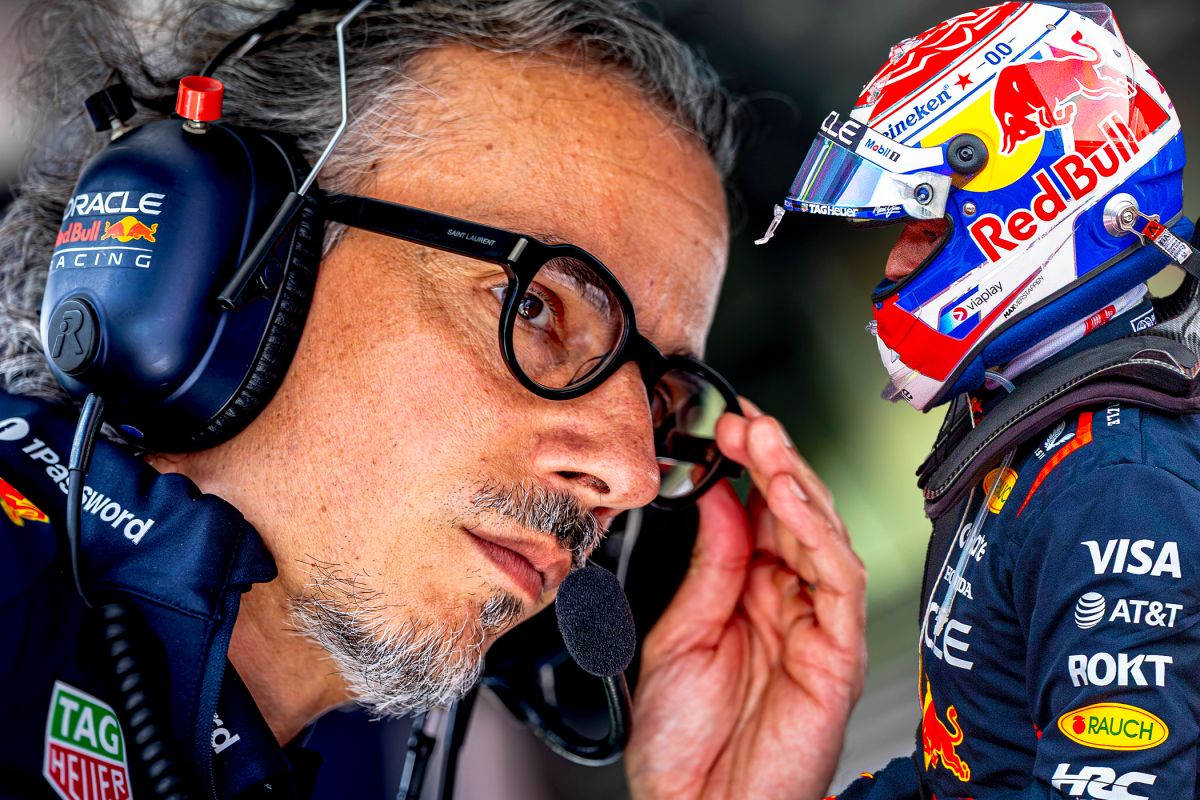
Red Bull Racing director steps down, only Mekies remains in charge
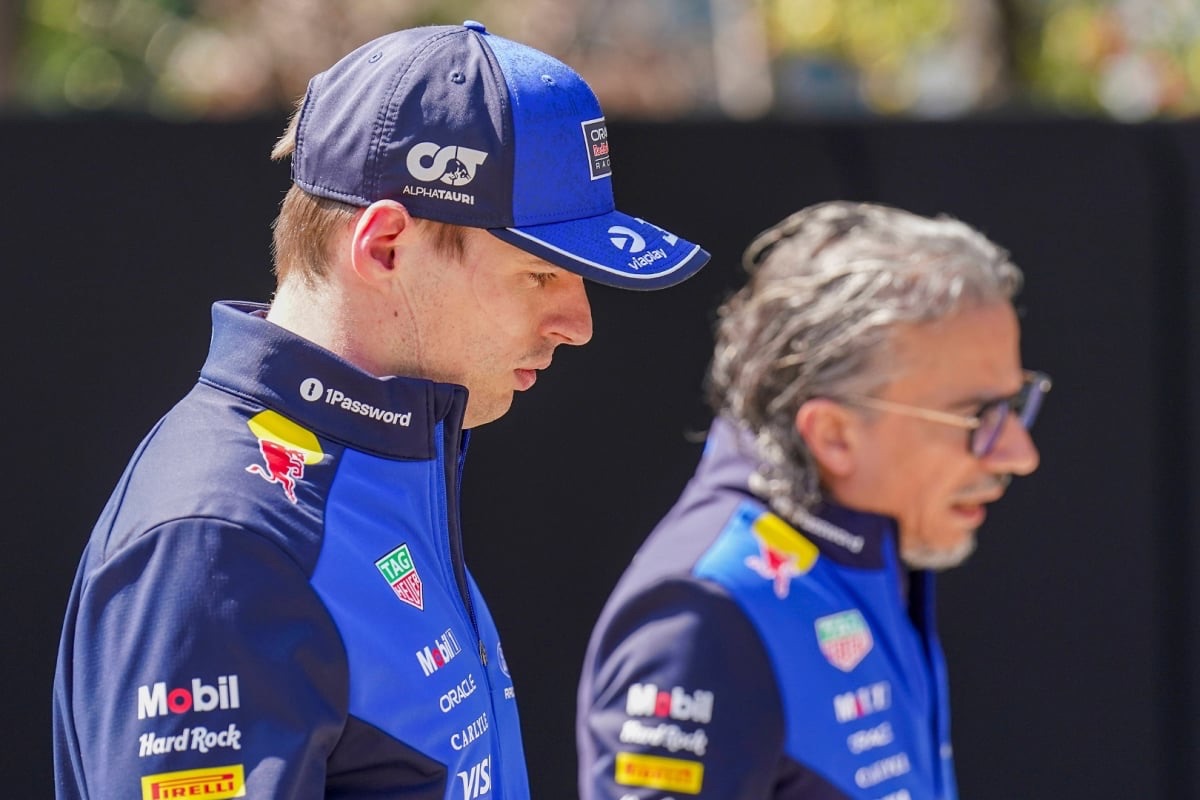
Red Bull Racing has quietly undergone another significant leadership change behind the scenes, with company records confirming that Stefan Salzer has stepped down from his role as a statutory director. His departure leaves Laurent Mekies as the sole director overseeing Red Bull Racing’s core operations, marking a further step in the team’s post-Horner restructuring.
According to documentation reviewed from the British Chamber of Commerce, Salzer officially relinquished his directorship of both Red Bull Racing and Red Bull Technology on November 26. His exit ends a short but important chapter that followed one of the most turbulent periods in the team’s modern history.
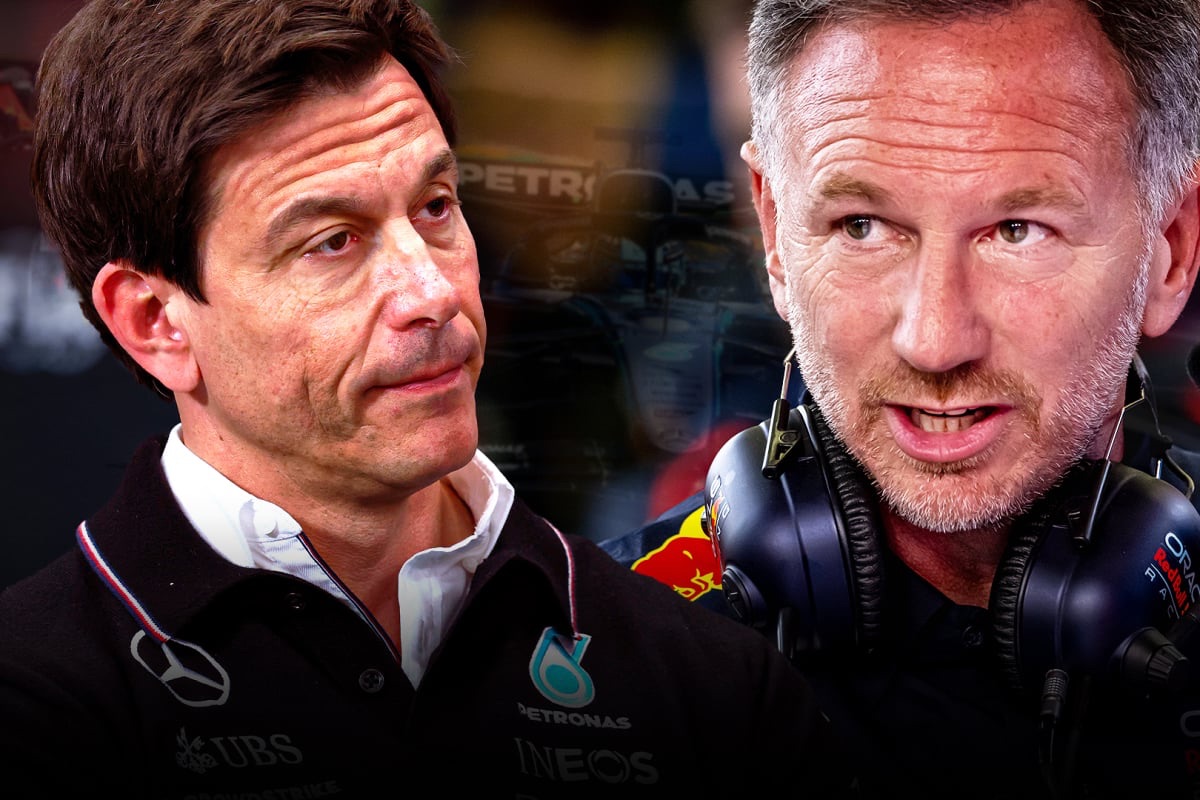
Salzer, who currently serves as Global Head of Human Resources at Red Bull GmbH, was appointed as a statutory director in August. The move came shortly after the shock dismissal of Christian Horner, who had led the Formula 1 team for two decades and was widely regarded as the architect of its championship success.
At the time, Salzer’s appointment was understood to be temporary rather than strategic. His role was primarily to satisfy legal and governance requirements while Red Bull’s parent company worked behind the scenes to establish a new long-term leadership structure. With no motorsport background and no involvement in race-weekend operations, Salzer’s presence was seen as administrative rather than influential.
That transitional phase has now concluded with the consolidation of power under Mekies. The former Ferrari sporting director was subsequently named as director of Red Bull Racing and Red Bull Technology, while also assuming responsibility for Red Bull Powertrains, the company’s in-house engine programme preparing for the 2026 regulation changes.
With Salzer stepping away, Mekies now stands as the sole statutory director across Red Bull’s Formula 1 entities. This move provides a clearer chain of command at a time when the team is navigating competitive pressure on track and major organisational changes off it.
Salzer’s brief involvement followed a long corporate career rather than a racing one. He joined Red Bull GmbH in 2007 after previously working at BP in Austria. His expertise lies firmly in human resources and corporate governance, making him a logical choice to temporarily stabilise the organisation during a sensitive transition period.
Internally, Red Bull’s decision to streamline its leadership structure may be seen as an attempt to restore focus and clarity after months of scrutiny, speculation, and disruption. The departure of Horner earlier in the season sent shockwaves through Formula 1, prompting questions about Red Bull’s long-term vision, internal politics, and competitive direction.
Since Mekies’ arrival, the emphasis appears to have shifted toward continuity and operational efficiency. By placing all three major arms—racing, technology, and powertrains—under one director, Red Bull has reduced complexity at board level and reinforced Mekies’ authority across the organisation.
This consolidation could prove crucial as Red Bull enters a new era. On track, the team faces increasing competition from rivals who have closed the performance gap. Off track, the challenge is maintaining stability while adapting to sweeping technical regulation changes and the evolving power dynamics within Formula 1.
While Salzer’s departure may not carry the headline impact of Horner’s exit, it is another indicator that Red Bull is moving decisively beyond its interim phase. The leadership structure is now settled, at least for the foreseeable future, with Mekies firmly at the centre of the operation.
For Red Bull Racing, the message is clear: the period of uncertainty is coming to an end. Whether this streamlined leadership model delivers success on and off the track will become apparent as the team prepares for the next chapter of its Formula 1 journey.