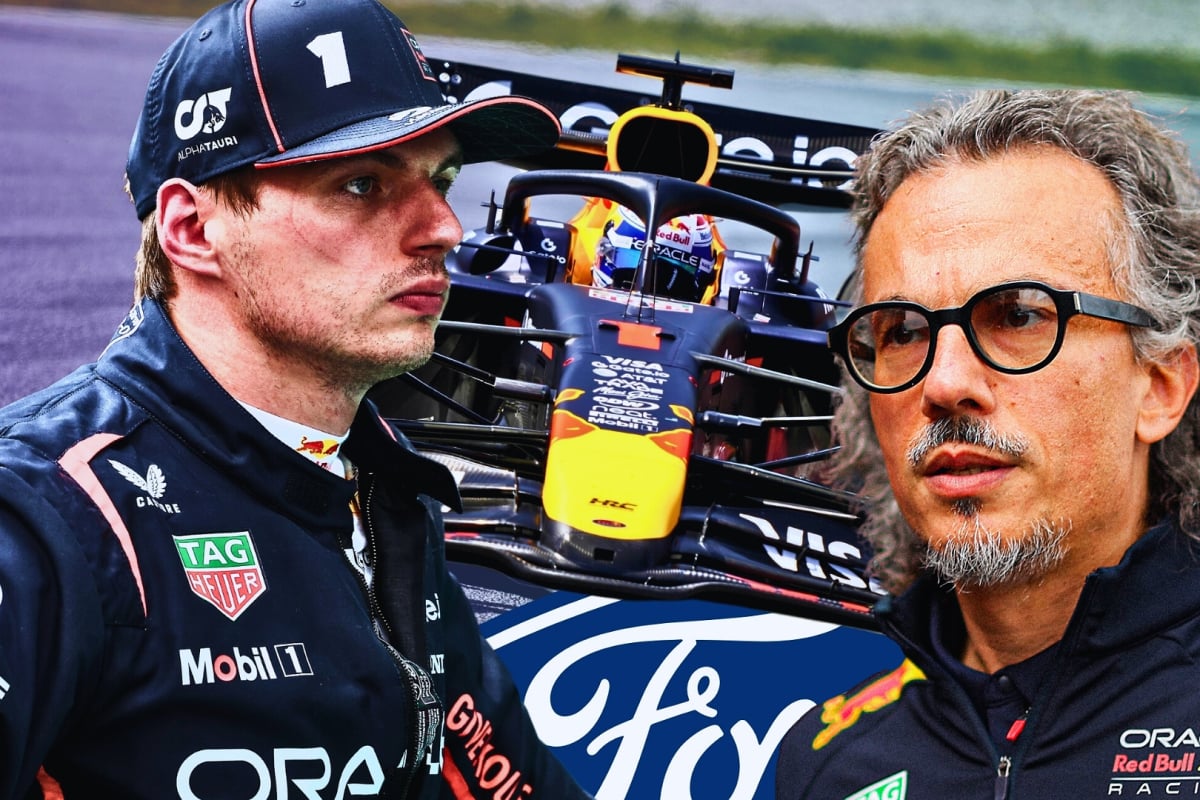
Red Bull Respond Firmly to Max Verstappen Regulation Frustrations with Clear Performance-First Stance
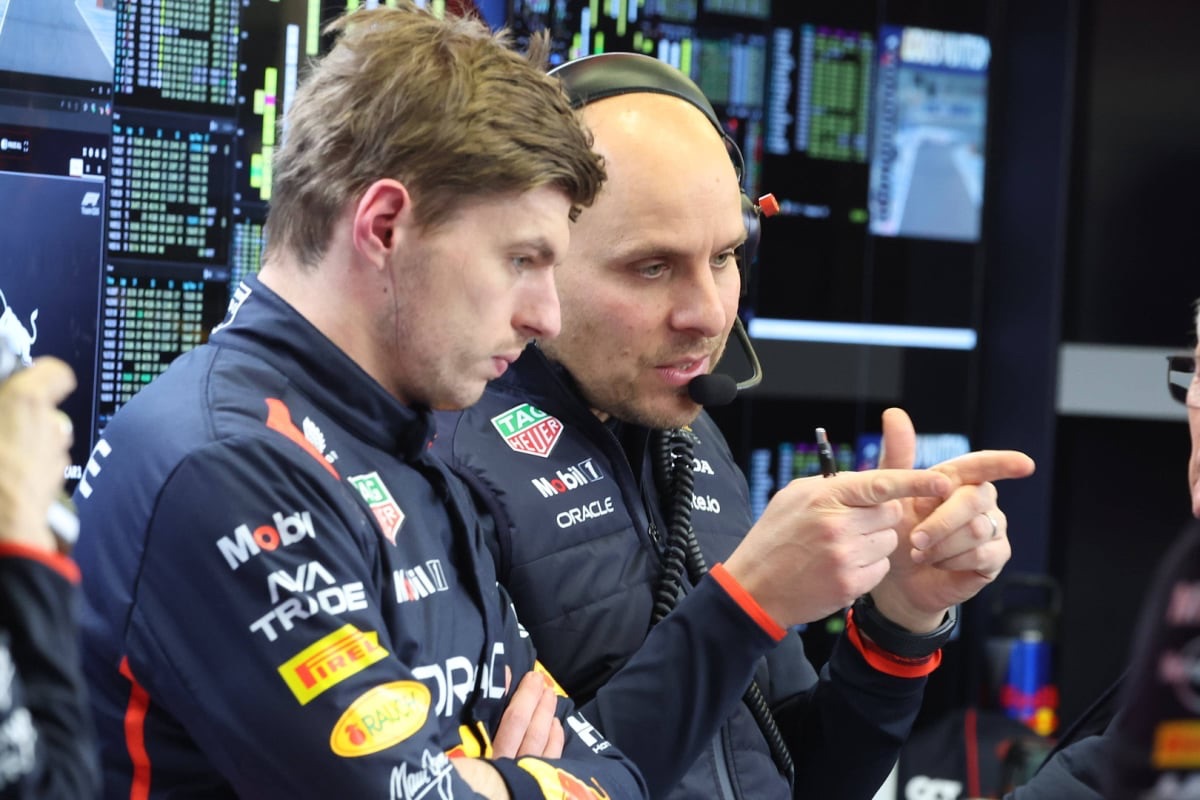
Red Bull have issued a strong and measured response to concerns surrounding Max Verstappen’s dissatisfaction with Formula 1’s new technical regulations, as technical director Pierre Wache stressed that the team’s core objective is winning races — not tailoring the rules to suit driver preferences.
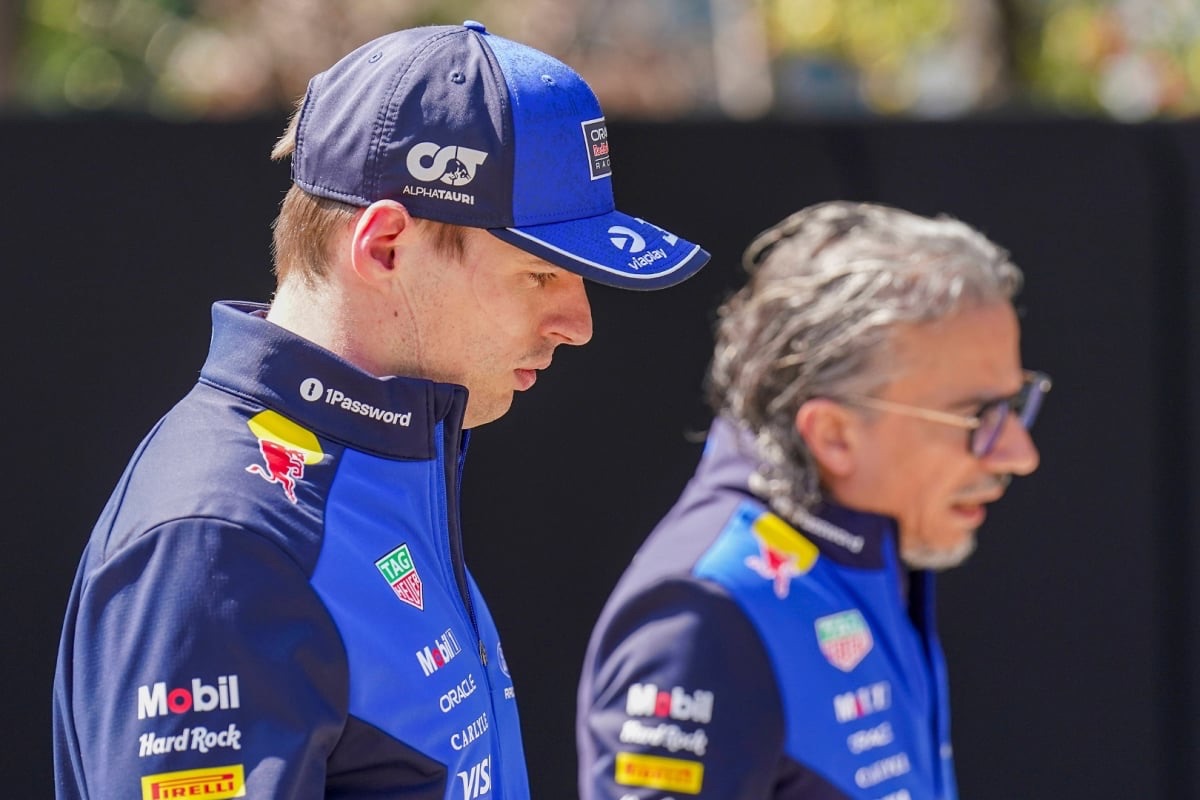
Speaking during pre-season testing at the Bahrain International Circuit, Wache addressed mounting questions about Verstappen’s outspoken criticism of the latest power unit changes. The Dutch star has repeatedly voiced frustration about the direction of the sport, arguing that the new framework places too much emphasis on energy management and not enough on flat-out racing.
The updated regulations introduce a power balance that splits output evenly between internal combustion and electric energy. While designed to increase efficiency and modernize the sport’s technology, the shift has significantly changed how drivers must approach each lap. Instead of pushing continuously at maximum pace, drivers are now required to carefully manage battery harvesting and deployment zones.
Verstappen has described the new style as overly restrictive and overly complex, even likening the feel of the cars to a more extreme version of Formula E due to how critical energy recovery and deployment have become. According to him, the new systems force drivers into techniques that feel unnatural compared to traditional high-attack Formula 1 driving.
The changes are especially noticeable in qualifying trim. Previously, drivers could deliver a full lap at the absolute limit. Now, even single-lap performance runs must factor in recharge phases and controlled deployment, meaning drivers cannot simply push at maximum capacity from start to finish. That adjustment has sparked debate throughout the paddock about whether the spectacle and purity of competition are being diluted.
When Wache was asked what Red Bull could do in the short term to make Verstappen more comfortable with the situation, his answer was direct. He explained that his responsibility is not centered on driver happiness but on competitiveness. From his standpoint, satisfaction comes from results — and if the car is fast enough to win, morale naturally improves.
He underlined that the engineering group’s duty is to supply Verstappen with the strongest possible technical package so he can fight at the front of the field. Delivering performance tools, not emotional reassurance, is the department’s mission. Victory, he suggested, is the ultimate remedy.
Despite his criticism of the regulations, Verstappen has already demonstrated that he remains ahead of the curve when it comes to adapting. During early running, he introduced a creative energy-harvesting method by taking certain corners in much lower gears than usual to keep revs elevated and increase electrical recovery. The approach has quickly drawn attention, with rival teams beginning to explore similar techniques.
Still, questions remain about long-term sustainability. Running aggressive harvesting strategies could accelerate wear on key mechanical components such as gearboxes and power unit elements. Over a full season, that extra strain could create reliability concerns and increase the likelihood of penalties tied to component limits.
Wache also clarified that debates about the philosophy and wording of the regulations fall outside the team’s authority. Those decisions sit with the FIA, which oversees the rule-making process. Teams may contribute feedback, but they ultimately must design and compete within the finalized framework.
For Red Bull’s technical leadership, the priority remains unchanged: make the car faster, more efficient, and more competitive. Rather than dwelling on whether the rules are popular among drivers, the team is channeling its energy into optimization and development. In their view, strong performance on track will matter far more than complaints off it — and winning remains the clearest path to keeping everyone satisfied.