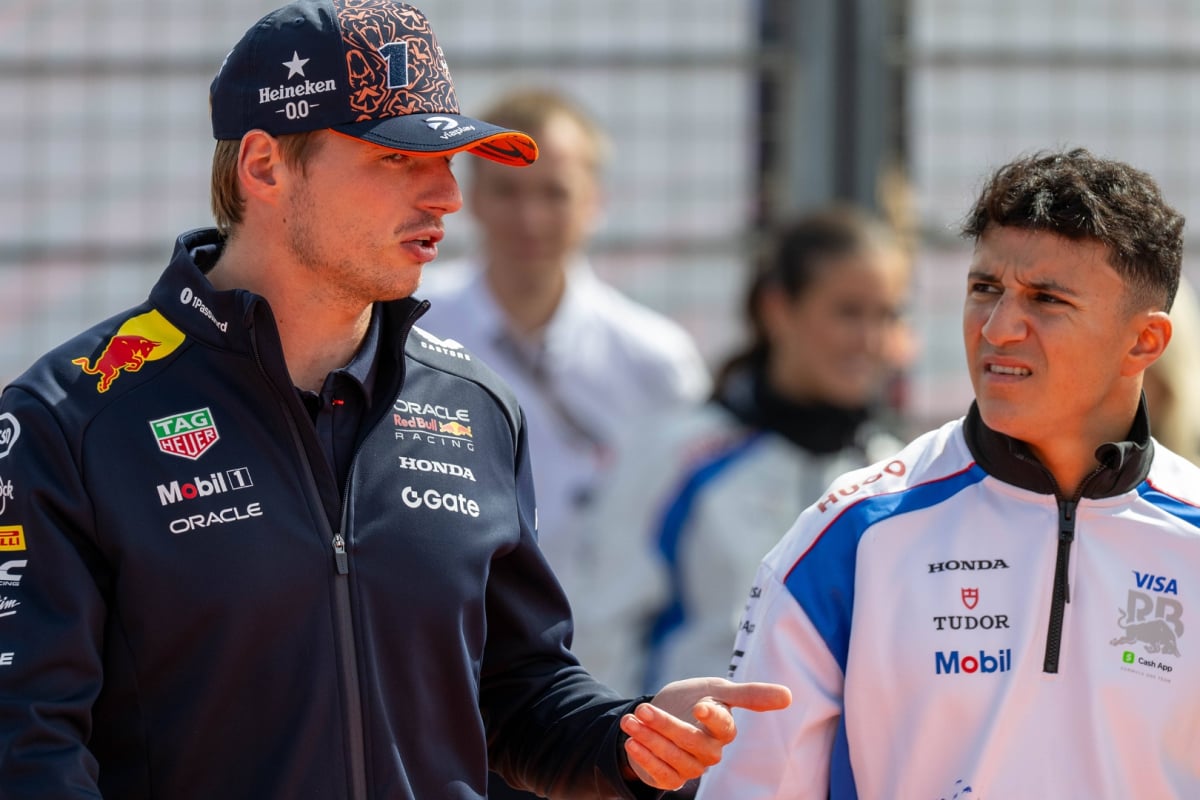
Hadjar Faces ‘Impossible’ Red Bull Test as Hill Warns of Verstappen Reality
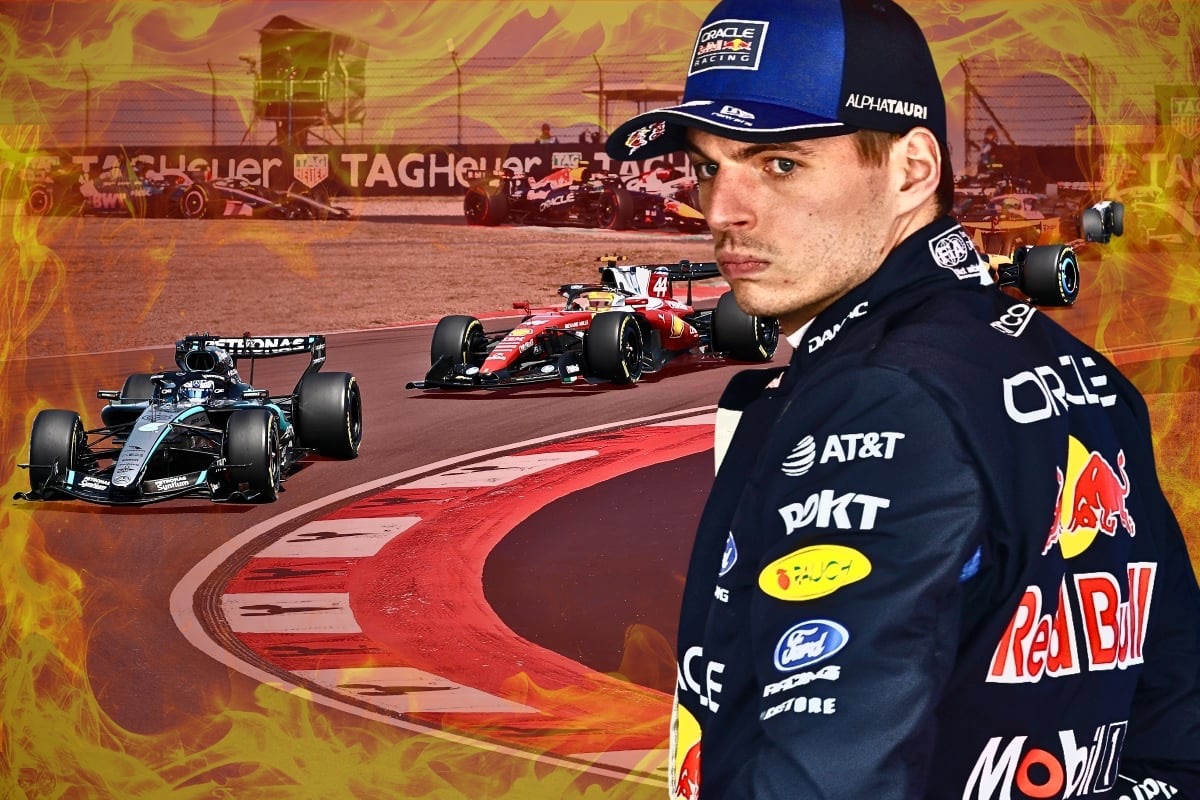
Isack Hadjar’s promotion to Red Bull’s senior Formula 1 team for the 2026 season has been hailed as a major breakthrough for the young Frenchman, but former world champion Damon Hill believes the opportunity comes with a near-impossible internal conflict.
After just one full season in Formula 1, Hadjar has been entrusted with one of the most unforgiving seats in the sport: partnering Max Verstappen as Red Bull enters a new era under sweeping 2026 technical regulations. While the move signals Red Bull’s faith in Hadjar’s raw talent, Hill has warned that success at Milton Keynes will depend on more than speed alone.
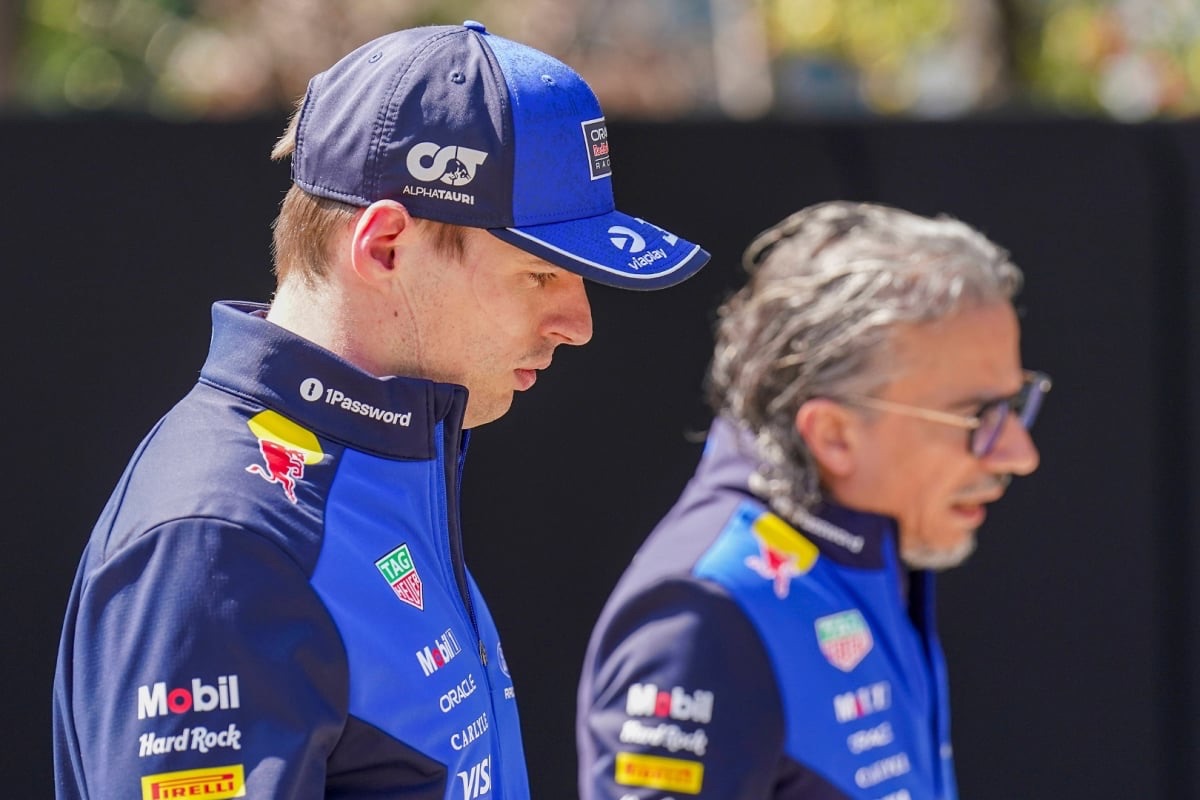
The 1996 world champion argues that Hadjar’s biggest challenge will not be extracting lap time from the car, but navigating the political and psychological realities of a team built firmly around Verstappen.
Red Bull’s decision to replace Yuki Tsunoda followed a disappointing 2025 campaign for the Japanese driver, who managed just 30 points across a 22-race season as the team finished with 451 overall. The gap between Verstappen and his team-mate once again highlighted Red Bull’s ongoing struggle to find a reliable second driver capable of delivering consistent results without disrupting the team’s hierarchy.
Speaking on the Stay On Track podcast alongside fellow former F1 driver Johnny Herbert, Hill suggested Hadjar will be walking a tightrope from his very first race weekend.
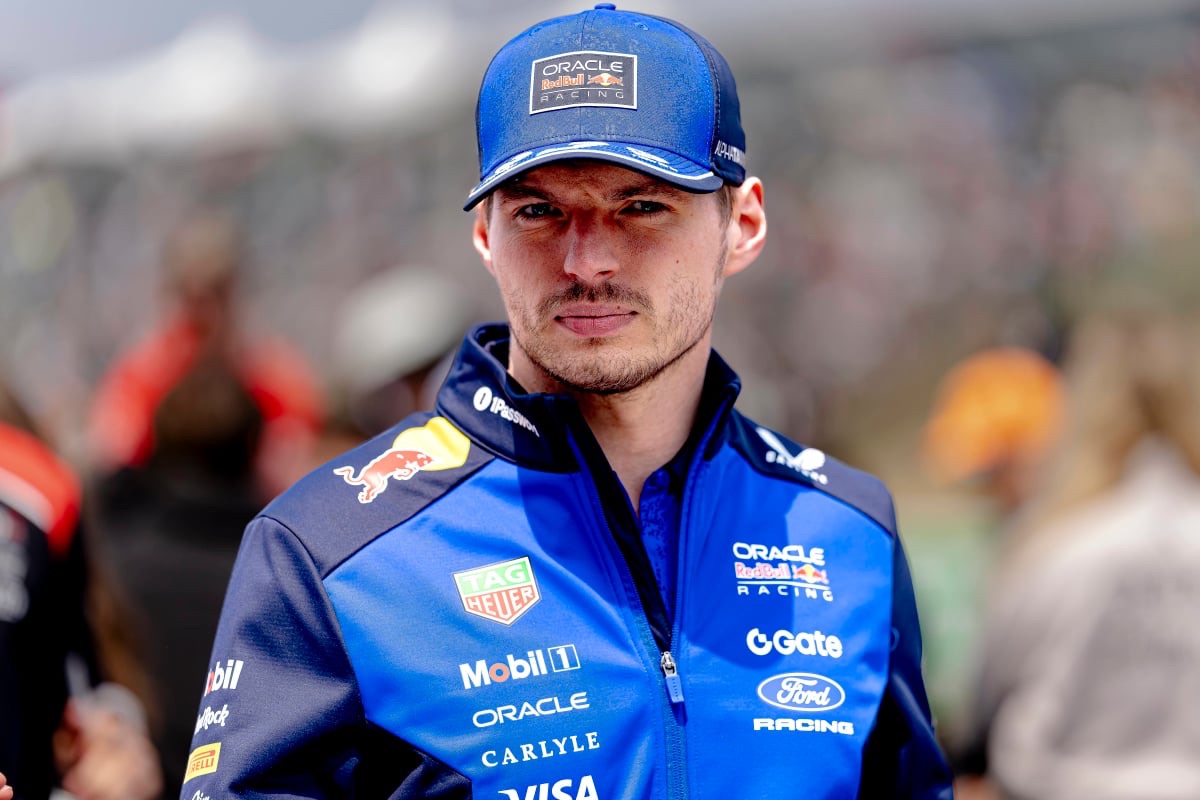
“In that team, Max is the reference point,” Hill explained. “Hadjar will be expected to accept that reality. He’s not being brought in to challenge the throne — he’s there to support it.”
Hill acknowledged that such a role is difficult for any elite racer to accept, particularly one still trying to establish his own reputation at the pinnacle of the sport.
“You have to ask yourself whether a true competitor can really switch off that instinct,” Hill said. “Can you tell yourself you’re happy being number two? And if you can, does that mean you’re actually world championship material?”
The former champion questioned whether accepting a secondary role, even temporarily, risks limiting a driver’s long-term ambitions. According to Hill, the psychological cost of playing support to Verstappen — widely regarded as the most dominant driver of the modern era — could be as damaging as the technical challenge of mastering Red Bull’s notoriously difficult cars.
Herbert echoed the sentiment, pointing out that Red Bull’s recent history offers little reassurance to drivers hoping to grow within the team. Several highly rated talents have struggled under the weight of expectation, often finding themselves measured exclusively against Verstappen’s extraordinary benchmark.
For Hadjar, the situation is further complicated by timing. With the sport entering a regulation reset in 2026, opportunities to redefine competitive order are rare — yet Red Bull’s internal structure leaves little room for ambiguity.
Hill believes Hadjar must find a way to frame his role as a stepping stone rather than a destination.
“He has to convince himself that this is about learning, strengthening his position, and preparing for a moment when he can be number one — whether that’s at Red Bull or somewhere else,” Hill said. “But communicating that mindset without unsettling the team is incredibly difficult.”
As Hadjar prepares for his first season alongside Verstappen, expectations will be intense and margins for error slim. Whether he can balance loyalty with ambition may ultimately determine not only his Red Bull future, but whether he ever gets a genuine shot at a world championship of his own.
For now, the opportunity is golden — but the cost of taking it could be higher than it first appears.