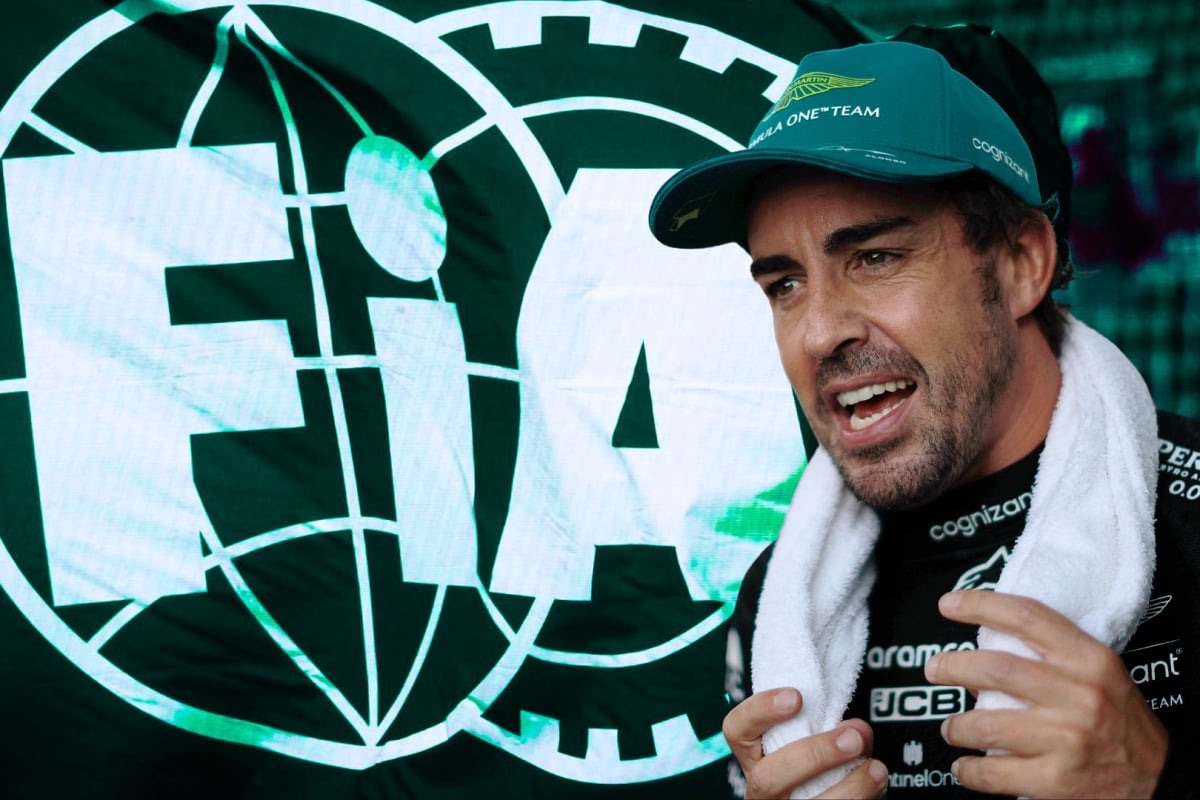
FIA Urged to Investigate as Aston Martin’s Troubling 2026 Car Sparks Safety Concerns
The difficult start to the 2026 Formula 1 season for Aston Martin F1 Team has raised serious questions inside the paddock, with a senior figure connected to Red Bull Racing calling on the governing body to step in if driver safety is truly under threat.
Former Formula 1 mechanic and current Red Bull ambassador Calum Nicholas has suggested that the Fédération Internationale de l’Automobile (FIA) should closely examine Aston Martin’s situation after the team endured another disastrous weekend at the Chinese Grand Prix.
Aston Martin’s Nightmare Start Continues
The Silverstone-based outfit has yet to finish a single race in the 2026 season. Their struggles continued in China, where both drivers — Fernando Alonso and Lance Stroll — were forced to retire from the race, marking another painful double DNF for the team.
Much of Aston Martin’s early-season trouble appears to stem from the sweeping regulation changes introduced in 2026, particularly around the new power unit architecture. The team’s new engine partnership with Honda has been plagued by reliability problems, leaving the AMR26 struggling to complete race distances.
In addition to mechanical failures, the car has been suffering from severe vibration issues that are not only affecting performance but also raising concerns about the physical well-being of the drivers.
During the Chinese Grand Prix, Alonso was visibly battling the violent shaking of the car. At one point during the race, the two-time world champion was even seen briefly removing his hands from the steering wheel as he attempted to cope with the intense vibrations coming through the chassis.
For a veteran driver like Alonso, who continues to compete at 44 years old, such conditions are particularly worrying. The vibrations appeared to become so severe that the Spaniard eventually had no choice but to retire from the race early.
Red Bull Ambassador Calls for FIA Oversight
Reflecting on the race weekend, Nicholas congratulated the standout performer of the event, Kimi Antonelli, who claimed a sensational victory while also becoming the youngest pole-sitter in Formula 1 history.
However, Nicholas quickly turned his attention to the broader implications of the new technical regulations and the challenges some teams are facing.
He praised the changes to chassis and aerodynamic rules, suggesting that they have improved the quality of racing. But he also admitted that the current power unit regulations appear to be creating complications for several teams across the grid.
When speaking about Aston Martin’s struggles, Nicholas made it clear that the FIA should intervene if the car is genuinely putting drivers at risk.
According to him, ensuring the safety of drivers must always be the governing body’s top priority. If Aston Martin’s car is proven to be physically harmful for Alonso or Stroll, Nicholas believes the FIA must investigate and potentially step in.
Red Bull Also Facing Early Challenges
Although Aston Martin’s problems are more severe, Red Bull itself has not escaped the difficulties brought by the new era of Formula 1.
The Milton Keynes-based team has endured a challenging opening to the season, collecting just 12 points from the first two race weekends. Reliability issues have already affected both of their drivers.
Young driver Isack Hadjar retired from the opening race of the year at the Australian Grand Prix, while reigning world champion Max Verstappen was forced to retire from the Chinese Grand Prix.
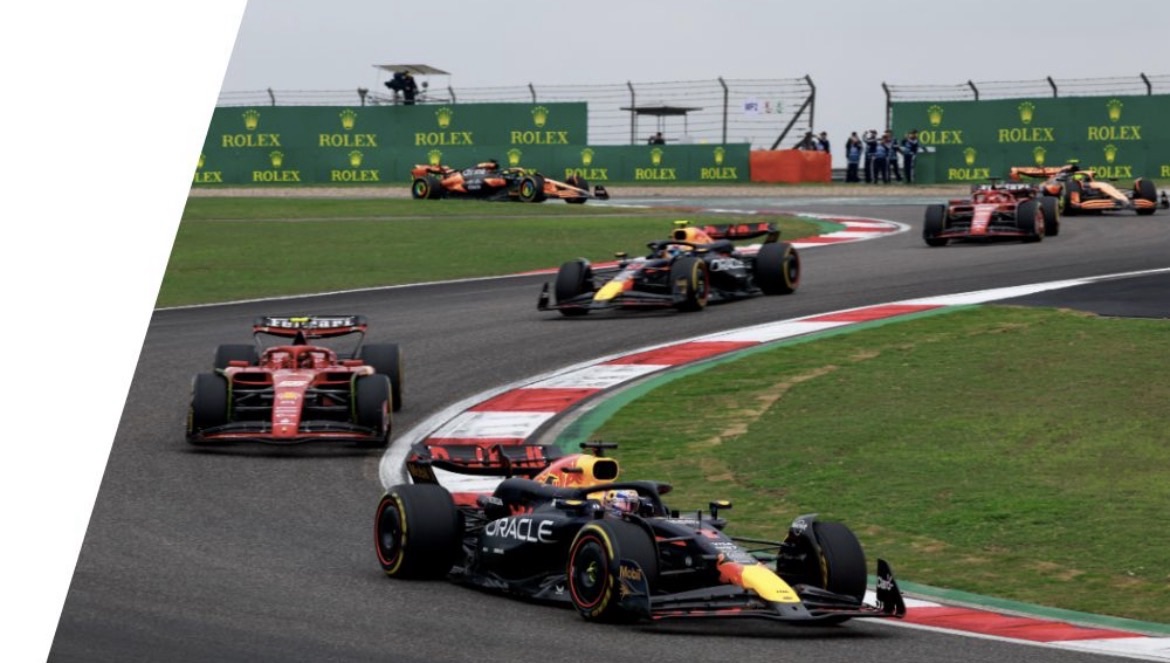
Red Bull has also been struggling with the performance of its newly developed power unit, particularly in the early phases of races. Verstappen experienced this problem firsthand in Shanghai, where he lost several positions immediately after the start due to difficulties getting the turbo system fully operational.
Starting eighth on the grid, the Dutch driver quickly dropped down the order to 12th during the opening lap — a frustrating setback that highlighted the team’s current challenges.
A Difficult but Familiar Situation
Despite the slow start, Nicholas remains confident that Red Bull will eventually overcome these issues. Having worked with the team in the past, he knows how resilient the organization can be when facing adversity.
He emphasized that designing and building a completely new power unit in just a few years is one of the most difficult engineering tasks in motorsport. Expecting immediate perfection, he suggested, underestimates the complexity involved.
Still, Nicholas expressed strong belief that Red Bull possesses the technical expertise and determination required to solve the problems.
The team, he said, has experienced difficult seasons before. But when challenges arise, Red Bull typically responds by working harder and digging deeper to return to the front.
For Aston Martin, however, the situation appears far more urgent. Until the team resolves its reliability issues and addresses the alarming vibration problem, serious questions will continue to surround the safety of its drivers — and whether the FIA may soon be forced to intervene.