Red Bull Rocked Before 2026 F1 Season as Long-Serving Chief Designer Craig Skinner Steps Down
Red Bull have been hit with a major technical shake-up ahead of the 2026 Formula 1 season following the resignation of veteran chief designer Craig Skinner, ending a two-decade spell with the championship-winning organization. His exit comes at a sensitive moment for the team, just as Formula 1 prepares to introduce sweeping new technical regulations that will redefine car and power unit design.
Skinner has been a central figure within the Milton Keynes operation since joining in 2006, steadily rising through the engineering structure before being promoted to chief designer in 2022. In that role, he became one of the key forces behind the team’s car concepts and performance direction. He worked closely with renowned design mastermind Adrian Newey and technical director Pierre Waché, forming part of the elite group responsible for Red Bull’s recent era of technical dominance.
Among his most celebrated contributions was his involvement in the development of the RB19 — a car widely viewed as one of the most dominant machines of the modern Formula 1 era. That project cemented his reputation internally as a highly influential design leader capable of translating aerodynamic philosophy into consistent on-track superiority.
The team confirmed Skinner’s departure in an official statement, noting that he had chosen to leave after 20 years of service. Management praised his dedication, technical excellence, and the role he played across multiple championship campaigns. Team leadership emphasized that his work helped shape a generation of competitive cars and contributed significantly to the organization’s sustained success.
His exit adds to a broader pattern of senior staff movement across the Formula 1 paddock as teams reposition themselves for the 2026 regulation overhaul. The upcoming rules will transform both chassis architecture and hybrid power systems, increasing the importance of integrated engineering leadership. Losing an experienced chief designer at this stage inevitably creates added pressure on the remaining technical group to maintain development momentum while transitioning into a new rules cycle.
High-level engineering departures are often tied to career advancement opportunities elsewhere in the sport. A recent example is the move by Jonathan Wheatley to take a top leadership role with Audi’s upcoming Formula 1 program. Such moves highlight how rival teams increasingly target proven technical leaders as they build future competitiveness.
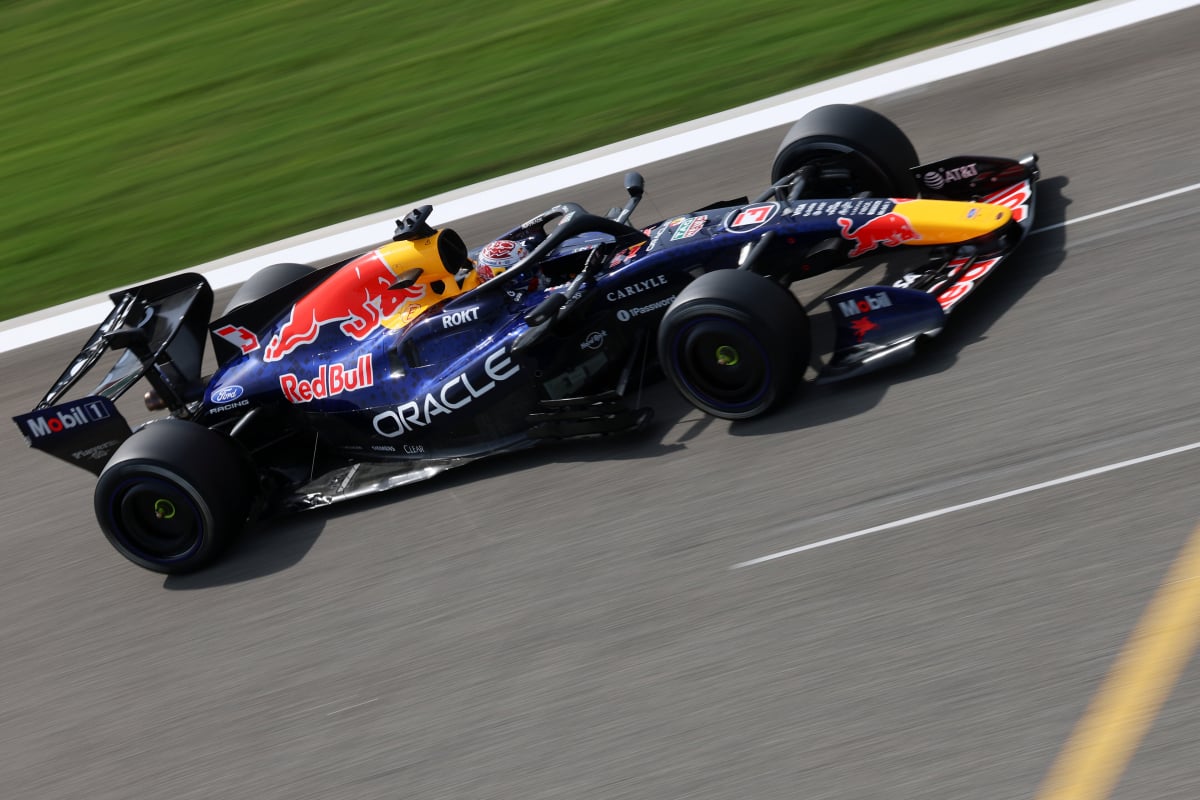
At the same time, Red Bull are entering a new management chapter under team boss Laurent Mekies, signaling a wider leadership transition beyond the design office. This structural evolution coincides with one of the most ambitious technical projects in the team’s history — the creation of a new in-house power unit program developed in partnership with Ford. Early signals from within the paddock suggest the project’s electrical energy deployment systems are already drawing attention from competitors.
Still, questions remain about how the new engine package will compare with benchmark operations such as Mercedes, long recognized for hybrid-era power unit strength. Testing performances so far offer limited clarity, as top teams traditionally conceal their true pace and run conservative programs during early track sessions.
Against this backdrop, the timing of Skinner’s resignation is particularly significant. Technical continuity is often critical during regulation changes, when accumulated knowledge and design philosophy can make the difference between early success and costly missteps. Replacing that depth of experience is rarely straightforward, especially when development deadlines are tight and competitive margins are shrinking.
As Formula 1 approaches its next technical revolution, Red Bull now face the challenge of sustaining their engineering edge without one of the senior figures who helped build it — a test that could shape their competitive standing Allowing the 2026 era unfolds.