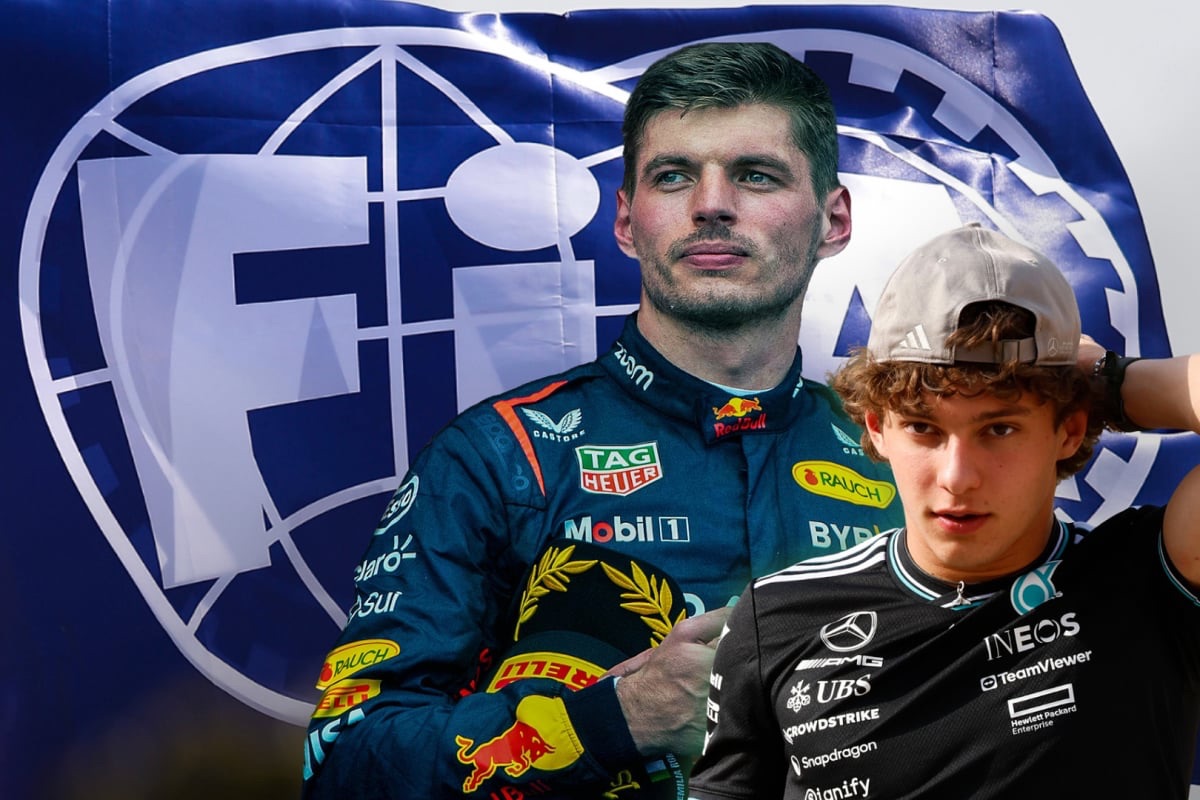
Red Bull–Antonelli Controversy Fuels Calls for FIA Sanction Review
A recent Formula 1 controversy involving Red Bull and teenage Mercedes driver Kimi Antonelli has reignited debate over how the FIA polices off-track conduct, with some within the paddock questioning whether current punishments are applied consistently ahead of the new season.
The incident dates back to last year’s Qatar Grand Prix, where Antonelli endured a dramatic moment on the final lap. The 19-year-old suffered a sudden snap of oversteer while defending his position, briefly losing control of his car. The mistake allowed McLaren’s Lando Norris to pass and claim fourth place.
At the time, Norris was locked in an intense championship fight with Max Verstappen, who went on to win the race. In the immediate aftermath, Red Bull figures expressed strong frustration over the incident. Verstappen’s race engineer Gianpiero Lambiase suggested over team radio and later discussions that Antonelli had intentionally allowed Norris through.
However, onboard footage quickly contradicted that claim, clearly showing Antonelli struggling to keep the car on track rather than deliberately yielding position.
Despite the video evidence, then-Red Bull advisor Helmut Marko escalated the controversy by publicly repeating the accusation. Marko claimed that Antonelli had “twice more or less waved Lando by” and implied the Mercedes rookie was assisting Red Bull’s title rival. He also referenced a previous incident in Austria, where Antonelli had collided with Verstappen from behind.
The comments sparked significant backlash. Antonelli became the target of widespread abuse on social media, much of it personal and hostile in nature. In response, the young driver turned his profile picture black, a move widely interpreted as a silent protest against the online harassment he was receiving.
Red Bull later issued a formal apology for the remarks, and Lambiase personally apologised to both Antonelli and Mercedes team principal Toto Wolff. While the matter appeared resolved publicly, some figures in the paddock felt the response did not go far enough.
One of the most vocal was fellow F1 driver Franco Colapinto, who argued that the FIA should consider punishing teams or individuals whose public comments lead to online abuse, just as drivers are penalised for swearing during media appearances.
Speaking at the Abu Dhabi Grand Prix, Colapinto drew a direct comparison between the FIA’s strict stance on profanity and its apparent leniency toward damaging accusations.
“I was thinking about the fines we receive for using bad language on television or in the media,” Colapinto said. “Compared to people who speak quickly, without all the information, and make statements that generate hatred—it’s much worse.”
He added that such remarks often carry no lasting consequences. “They issue a statement, everything goes back to normal, and that’s it. It seems unfair to me. Maybe it should change, maybe not. It’s not my decision, but it’s something that probably needs to be revisited.”
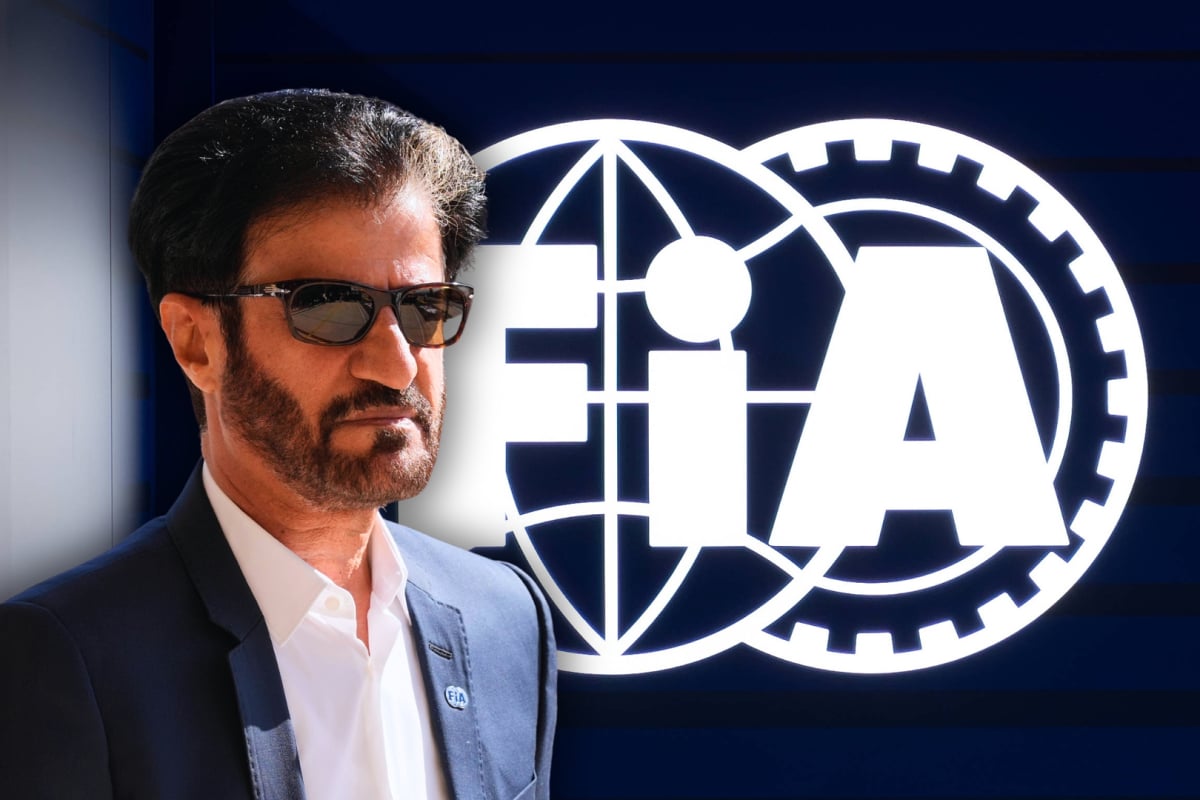
Colapinto’s comments have drawn renewed attention to the FIA’s existing disciplinary framework, particularly regarding language use. In recent seasons, the governing body has enforced strict penalties on drivers for swearing in controlled settings such as press conferences.
In 2024, Verstappen received a community service-style punishment for using profanity during an official media session. Ferrari’s Charles Leclerc was also fined later that year for similar language.
The issue extended beyond Formula 1 in early 2025, when World Rally Championship driver Adrien Fourmaux was fined €10,000 and given a suspended €20,000 fine for inappropriate language during a television interview. That decision triggered widespread criticism from WRC drivers and co-drivers, who accused the FIA of excessive policing.
In response, the FIA later softened its stance, announcing that the maximum fine for swearing offences would be reduced from €10,000 to €5,000. The governing body also introduced exemptions for language used “on-track,” differentiating it from remarks made in controlled environments like press conferences.
Whether similar regulatory scrutiny will be applied to public comments that fuel online abuse remains unclear. The FIA has launched its “United Against Online Abuse” initiative, aimed at highlighting and combating digital harassment, but no specific penalties currently exist for comments that indirectly provoke fan hostility.
As the new season approaches, the Antonelli episode continues to serve as a flashpoint in the wider discussion over accountability, free speech, and the responsibility that teams and senior figures hold in shaping public narratives within Formula 1.