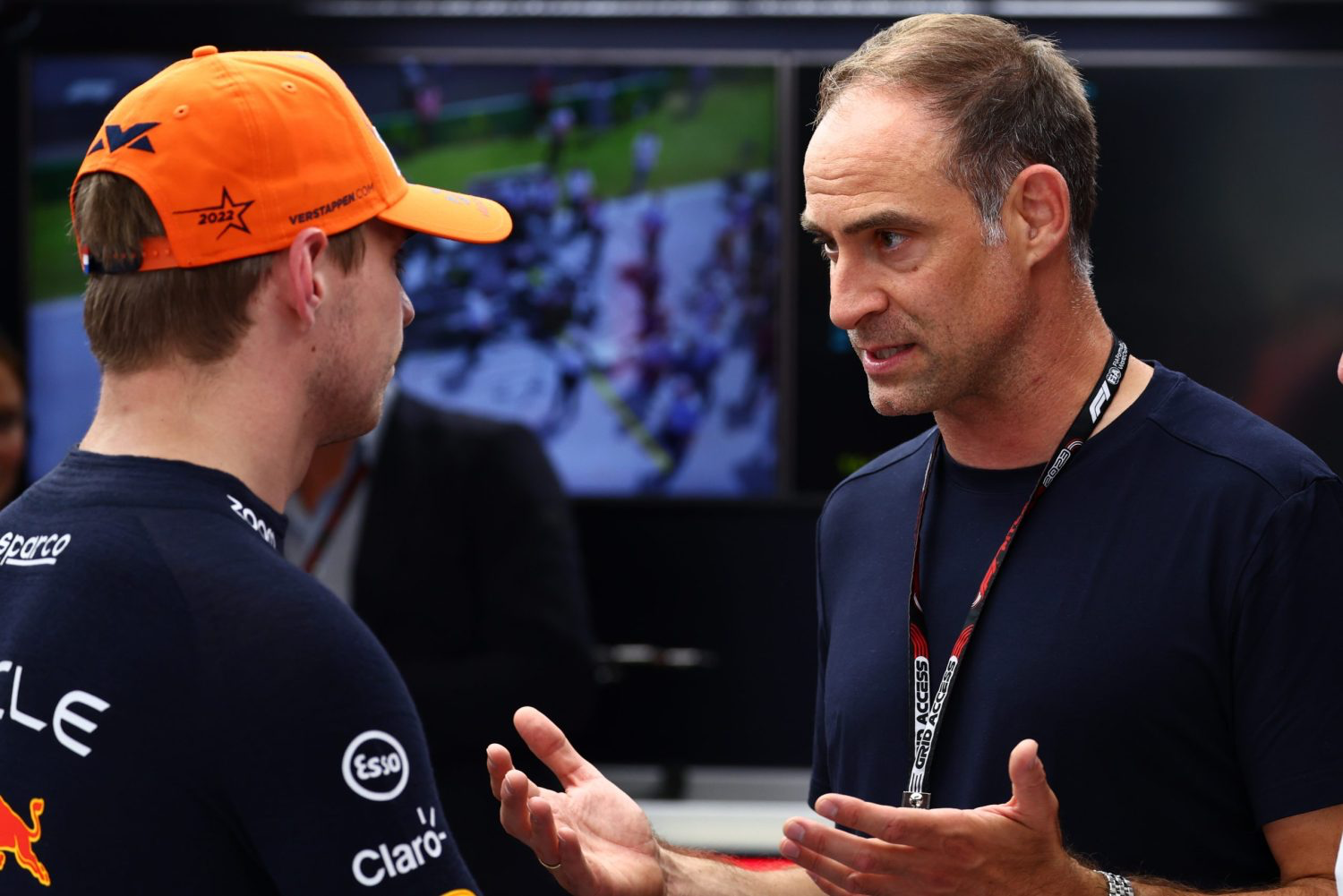
Red Bull’s Mintzlaff fires back at Max Verstappen “nonsense” C…read more
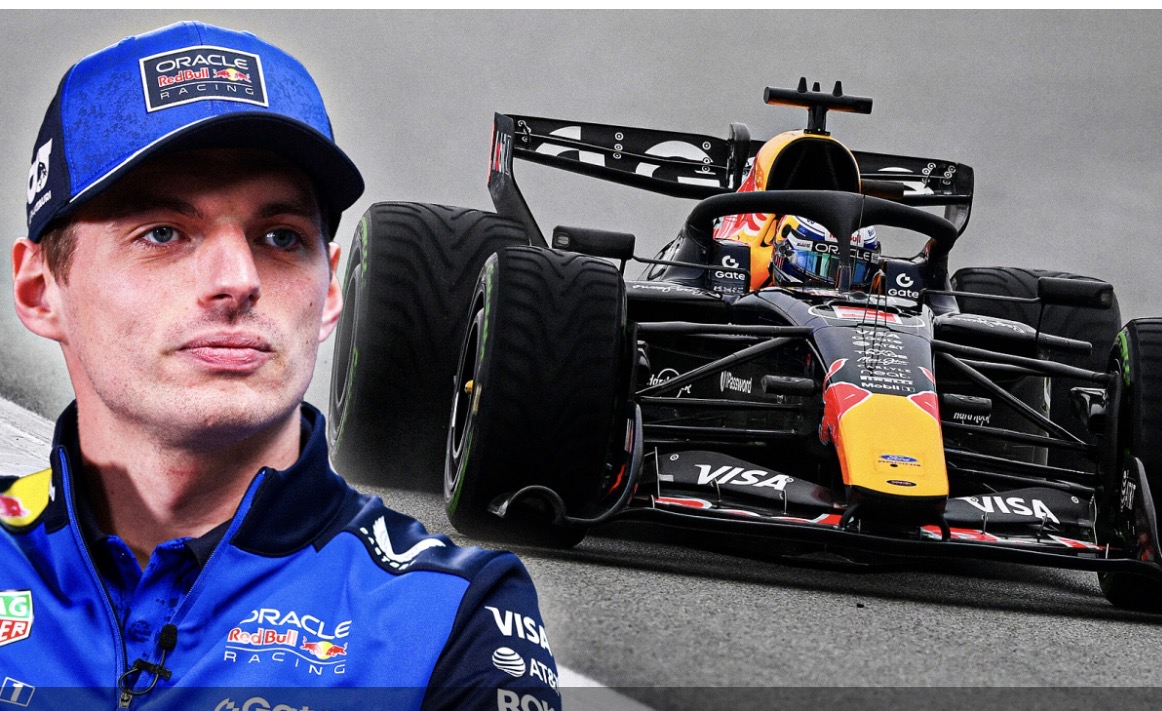
Red Bull Racing has never been short of drama, but over the past year the noise surrounding the team has grown louder than ever. Senior figures have departed, internal structures have shifted, and speculation has thrived as the Milton Keynes outfit adjusted to life after a period of major upheaval. In the middle of it all, one particular narrative has gained traction in the Formula 1 paddock: that Max Verstappen now effectively runs the team.
Red Bull CEO Oliver Mintzlaff has now moved decisively to shut that idea down.
As Red Bull navigated the exits of long-time powerbrokers Helmut Marko, Christian Horner and design legend Adrian Newey, questions naturally followed about where influence within the organisation truly lies. For some observers, Verstappen’s status as a four-time world champion, combined with Red Bull’s reliance on his performances during a challenging season, suggested that the Dutch driver and his inner circle had taken on a commanding role behind the scenes.
Former world champion Nico Rosberg was among those who publicly speculated that Verstappen’s camp carried significant weight in Red Bull’s decision-making process. The theory was simple: when a team is built so heavily around one driver, that driver’s voice must inevitably shape the direction of the entire operation.
Mintzlaff, however, has been unequivocal in his rejection of that claim.
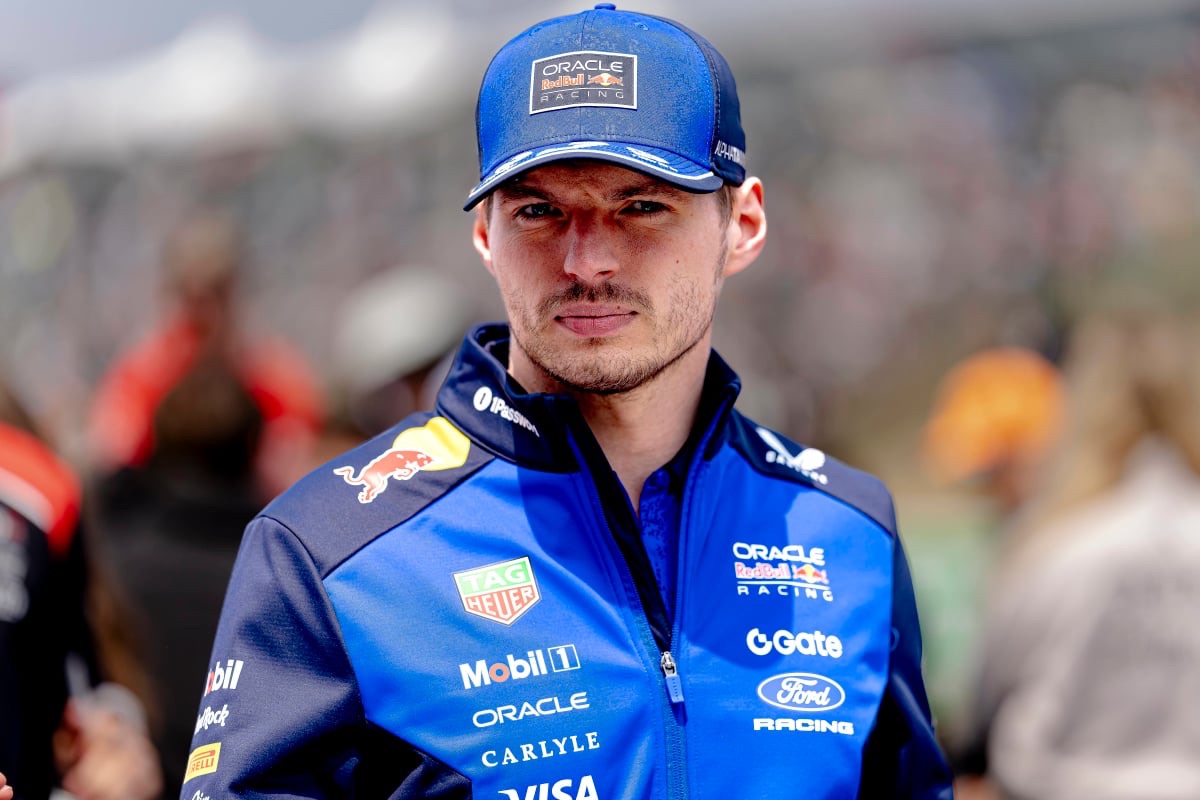
Speaking to Dutch newspaper De Telegraaf, the Red Bull CEO dismissed the idea in stark terms. “That’s nonsense,” Mintzlaff said bluntly. He went on to stress that Verstappen has never attempted to exert pressure on him or interfere with management decisions. According to Mintzlaff, this applies not only to Verstappen himself, but also to those closest to him.
“All agreements are clear, and he’s never made a single request of me,” Mintzlaff explained. “The same goes for his manager and his father. Max is clear about what he wants, and that’s fine, because he’s the best driver in the world.”
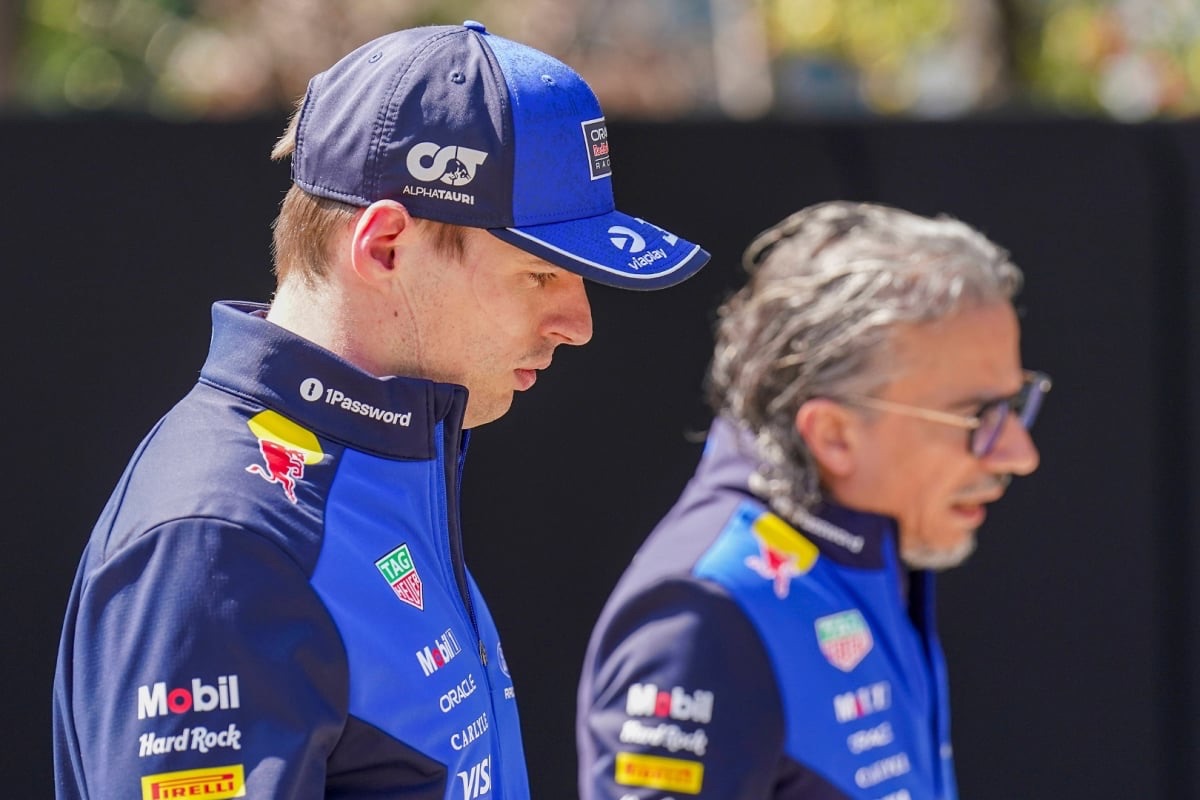
The message was clear: Verstappen is central to Red Bull’s on-track success, but he is not the one pulling the strings at boardroom level. Operational control of the Formula 1 team now rests with Laurent Mekies, who stepped into the role of team principal following Horner’s departure last summer. From Mintzlaff’s perspective, the chain of command inside Red Bull remains well defined and unaffected by star power.
Mintzlaff also pushed back against the broader notion that authority within Red Bull can be swayed by any individual, regardless of their status. He emphasised that decision-making within the company ultimately comes down to commercial realities rather than personalities.
According to the CEO, there is one overriding principle that governs the Red Bull organisation: whether an idea aligns with the brand’s commercial objectives. Mintzlaff referred to this as the company’s famous guiding question — “can we sell?” — a phrase that encapsulates Red Bull’s business-first mindset. In that context, even a driver as successful and influential as Verstappen does not override the core logic of the wider Red Bull empire.
This stance directly undermines the image of Verstappen as a political force within the team, despite his extraordinary achievements and importance on track. During the most recent season, the Dutchman mounted a remarkable late charge that almost secured yet another world championship, helping to quiet doubts that had emerged during a mid-season dip in Red Bull’s competitiveness.
Earlier this year, Verstappen also took steps to ease speculation about his future by confirming his commitment to Red Bull for the 2026 season. That announcement came at a time when rumours were swirling that internal instability might tempt him to consider alternatives. Instead, Verstappen signalled continuity, reinforcing the idea that his relationship with the team remains strong.
Mintzlaff was keen to strike a careful balance in how he described Verstappen’s role. While rejecting any suggestion that the driver behaves like a power-hungry superstar, he made it clear that Verstappen’s value to Red Bull goes far beyond simply driving the car.
“Max is a great guy, not a diva,” Mintzlaff said, offering a robust defence of the Dutchman’s character. He even hinted at a long-term future for Verstappen within the Red Bull family, extending well beyond his driving career.
“I’m sure he’ll stay with us forever,” Mintzlaff added. “If he ever retires as a driver — hopefully not too soon — I’d like to see him stay with us in another role.”
The CEO highlighted Verstappen’s exceptional technical understanding and sensitivity behind the wheel, qualities that allow him to work with engineers at an unusually high level. That ability, Mintzlaff suggested, is what truly sets Verstappen apart — not any supposed political influence.
In Red Bull’s view, Verstappen may be more than just a driver, but he remains firmly part of a structured organisation, not the one running it.