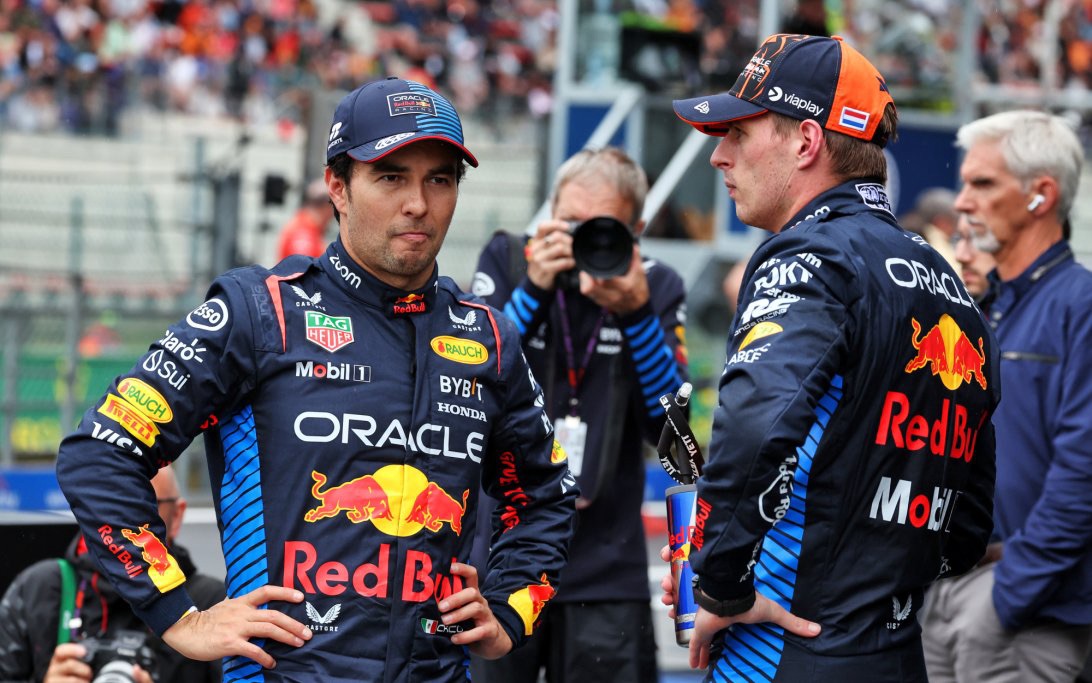
Sergio Pérez Opens Up: “Being Max Verstappen’s Team-Mate at Red Bull Is the Toughest Job in F1”
Sergio Pérez has delivered a brutally honest assessment of his time at Red Bull, describing the role of Max Verstappen’s team-mate as “the worst job in Formula One.” The Mexican driver, who raced alongside the four-time world champion from 2021 to 2024, has reflected on an experience that began with promise but ended in frustration, tension, and ultimately dismissal.
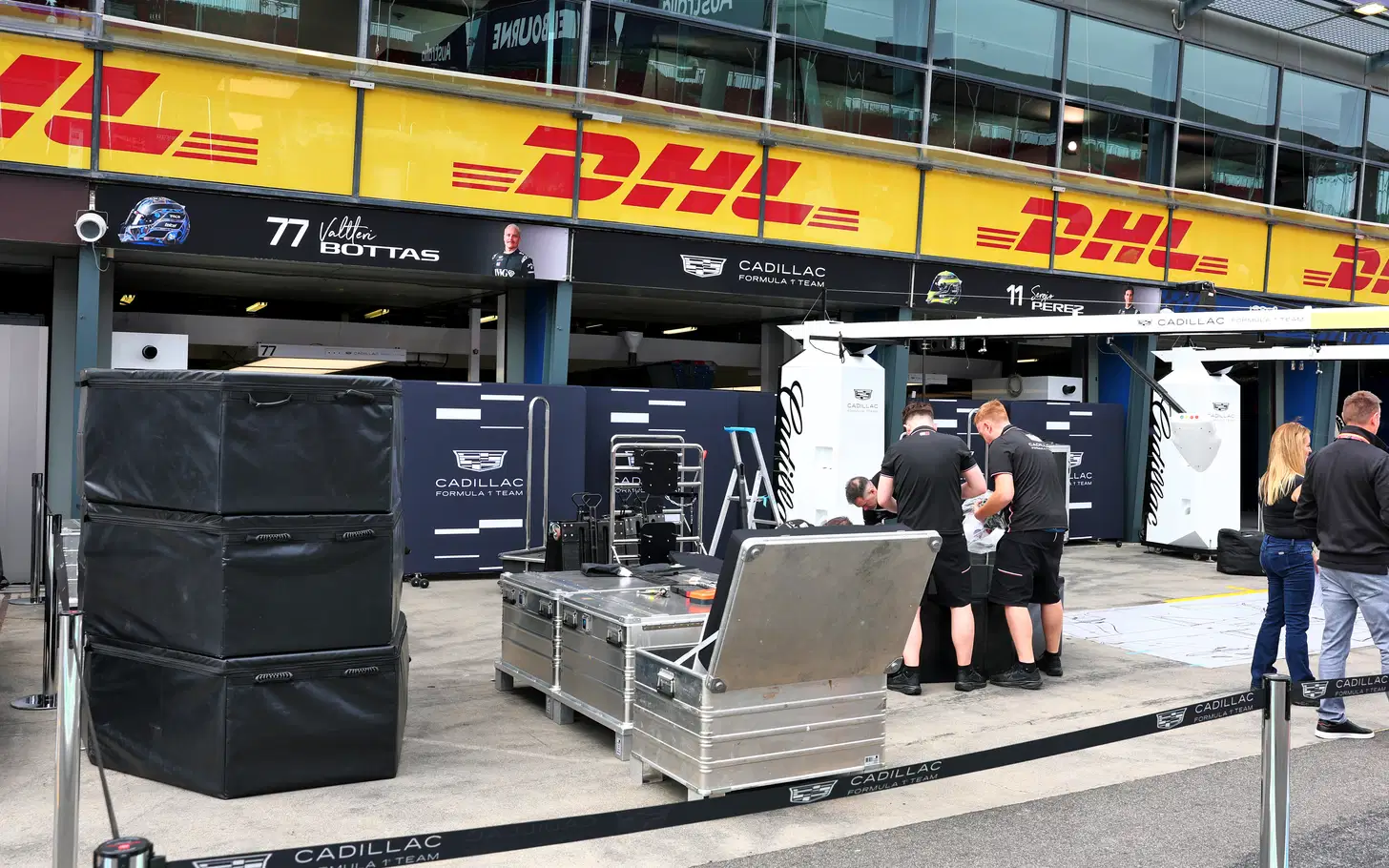
After being dropped by Red Bull following a disappointing 2024 campaign, Pérez is set to make a surprise return to the Formula One grid in 2026, where he hopes to rebuild his reputation and prove he still belongs at the sport’s highest level.
Pérez’s Red Bull journey began on the back of one of the most memorable victories of his career. At the end of the 2020 season, driving for Racing Point, he claimed a stunning win at the Bahrain Grand Prix after charging through the field from the back of the grid. The pink-liveried car — often mocked for closely resembling Mercedes’ previous championship-winning machine — became an unlikely symbol of Pérez’s resilience and racecraft.
That performance dramatically boosted his standing within the paddock and caught Red Bull’s attention. Soon after, he was signed to replace Alex Albon, becoming Verstappen’s new partner at Milton Keynes.
Initially, the move appeared inspired. Pérez played a crucial supporting role during Red Bull’s dramatic 2021 title campaign, most notably at the Abu Dhabi Grand Prix, where his defensive driving against Lewis Hamilton helped Verstappen secure his maiden world championship. That season, Pérez also made history by becoming the first Red Bull driver to finish second in the drivers’ standings while the team’s champion also raced for the outfit.
However, despite those achievements, Pérez’s competitiveness gradually faded. As seasons progressed, he struggled to match Verstappen’s relentless pace and consistency, often finding himself stuck in the midfield while his team-mate fought at the front. By the end of 2024, Red Bull decided to move on, first replacing him with Liam Lawson before eventually settling on Yuki Tsunoda for the 2025 campaign.
Speaking candidly on the Cracks podcast, Pérez did not hide his frustration with Red Bull’s internal dynamics. While stopping short of criticizing Verstappen personally, he painted a picture of an environment that left little room for balance or confidence.
“If I was faster than Max, it was a problem. If I was slower, it was also a problem,” Pérez explained. “Everything became a problem.”
According to Pérez, outperforming Verstappen created tension rather than encouragement, while falling behind brought inevitable scrutiny. He suggested the team’s structure and priorities made it nearly impossible for any second driver to thrive long-term.
“It created a very tense atmosphere whenever I was faster,” he said. “When I was leaving, Christian Horner told me he already knew he was going to use all the drivers.”
The Mexican summarized his experience with a stark verdict that has since echoed around the paddock: “Being Max’s team-mate at Red Bull is the worst job in Formula One.”
Pérez also revealed that his struggles were not due to a lack of effort or confidence, but rather a fundamental mismatch between the car’s characteristics and his driving style. From the outset, he felt the Red Bull was developed increasingly around Verstappen’s aggressive front-end preference — something Pérez found difficult to adapt to.
He recalled an early conversation with team principal Christian Horner that, in hindsight, set the tone for everything that followed.
“During my first meeting with Horner, he told me: ‘We’re going to race with two cars because we have to race with two cars, but that’s for Max,’” Pérez said.
According to Pérez, he was initially quicker than Verstappen before the first major upgrades arrived — updates he believes pushed the car further away from his strengths and deeper into Verstappen’s comfort zone.
Despite the bitter ending, Pérez has not closed the door on redemption. His planned return in 2026 represents a rare second chance for a driver many believed had reached the end of his Formula One career. With experience, race-winning pedigree, and unfinished business, Pérez will be determined to show that his Red Bull struggles do not define his legacy.
Whether his comments spark further debate about Red Bull’s treatment of second drivers remains to be seen — but one thing is clear: Sergio Pérez’s story is far from over.