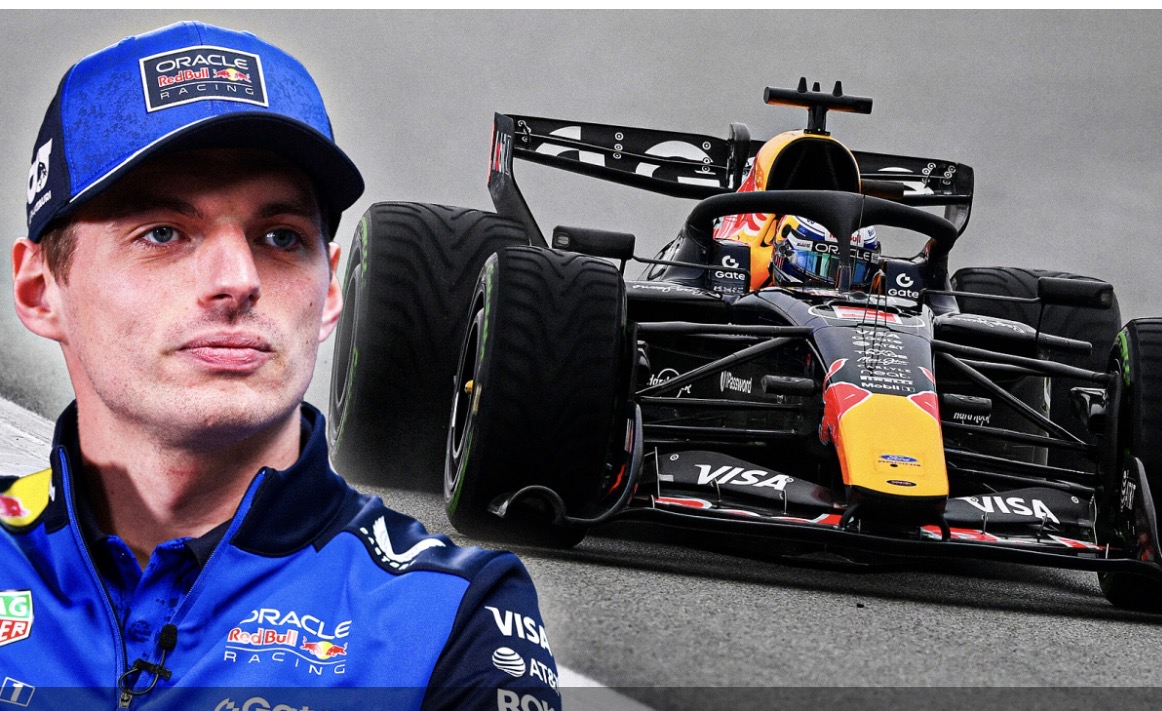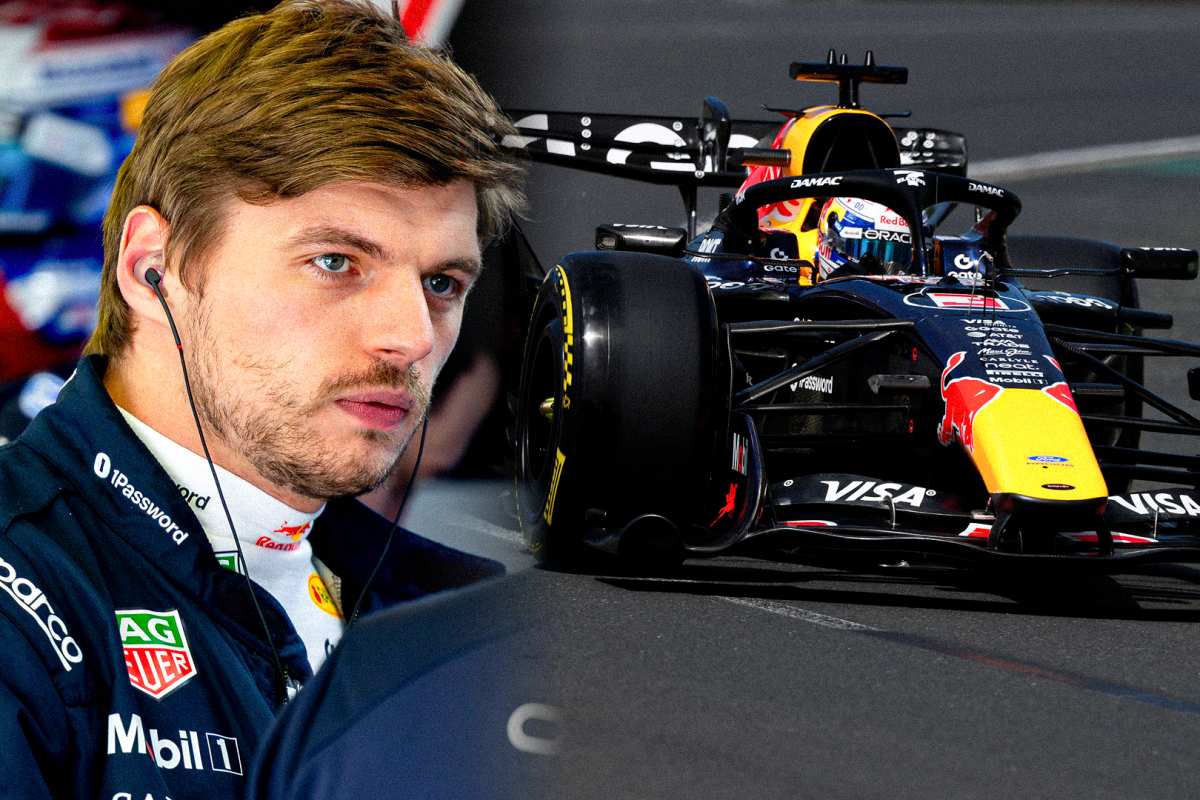
Shockwaves have swept through the Formula 1 paddock following a dramatic technical step forward from Red Bull Racing at the Japanese Grand Prix. The Milton Keynes outfit has unveiled a significant upgrade package to its RB22, a move that insiders believe could reshape the competitive landscape and further ignite tensions with both Mercedes-AMG Petronas Formula One Team and Scuderia Ferrari.
Rather than making minor refinements, Red Bull’s latest developments appear to be bold and aggressive. Much of the focus has been placed on aerodynamic efficiency, with particular attention given to the floor and rear-end stability—two areas that are crucial under the current ground-effect regulations. Early impressions suggest that the changes have delivered a more balanced car, one that not only excels over a single qualifying lap but also maintains stronger consistency during long race stints.
The timing of this upgrade has raised eyebrows across the paddock. Both Mercedes and Ferrari have been working intensively to close the performance gap, making Red Bull’s move feel like a direct and calculated response. Some within the paddock have described it as a strategic escalation, reinforcing the idea that Red Bull is not content with its current advantage and is pushing aggressively to extend it.
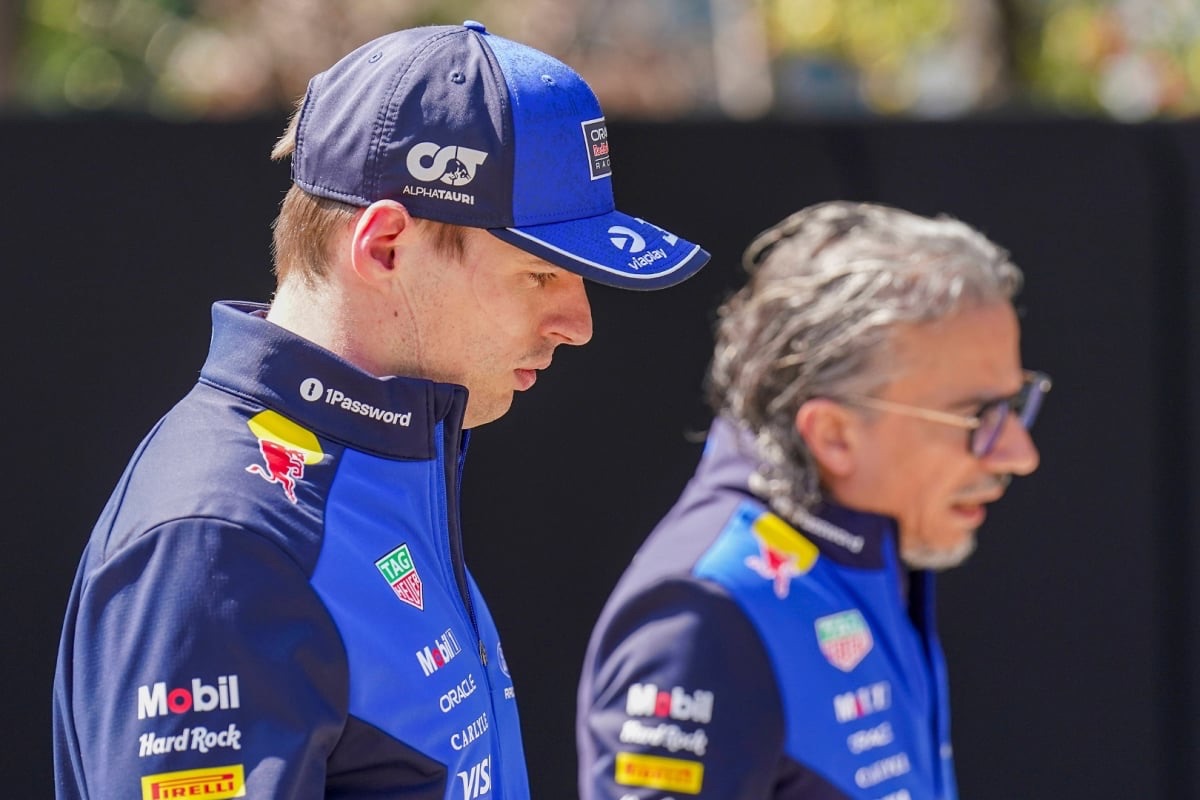
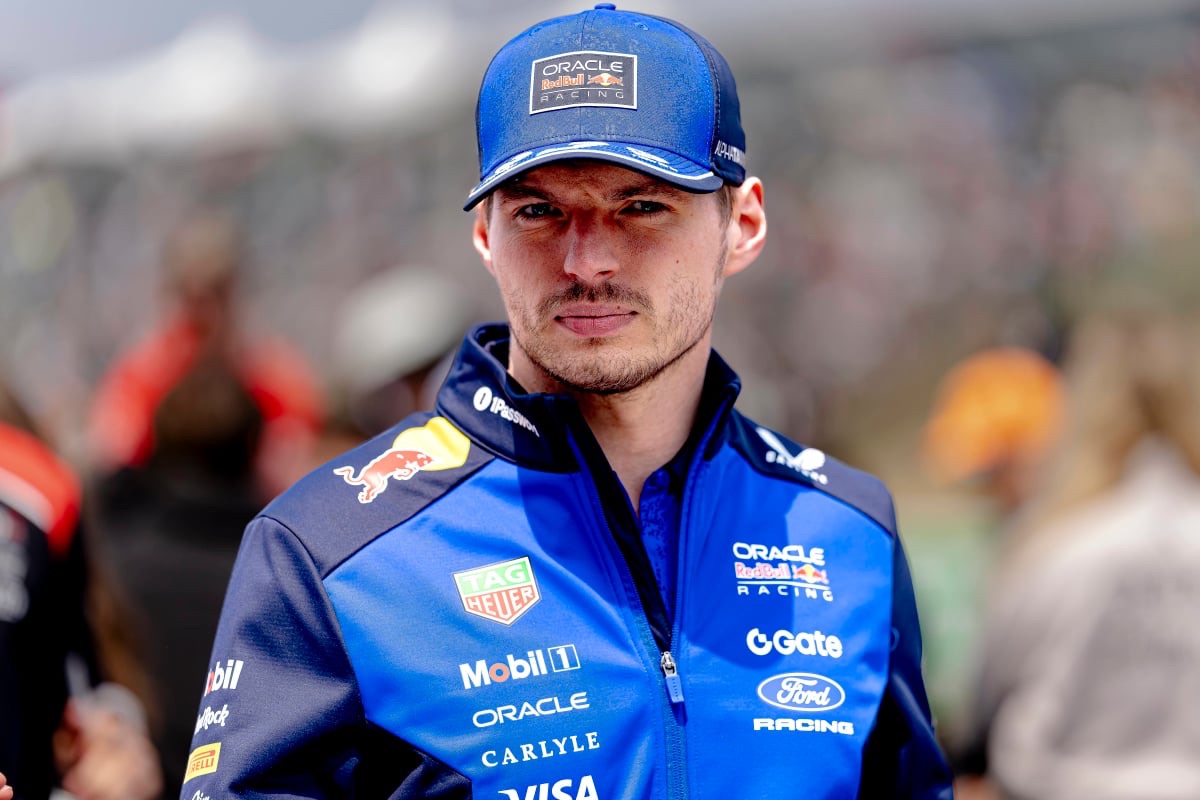
For Max Verstappen, the improvements come at a crucial point in the season. The reigning world champion has repeatedly emphasized the importance of continuous development as rivals gain momentum. Data gathered from Suzuka indicates that Verstappen benefited significantly from the updates, particularly in high-speed corners where Red Bull has traditionally excelled. Additionally, improved tyre management appears to be another major gain, offering a decisive edge when it comes to race strategy and consistency over long distances.
At Mercedes, the response has been cautious but revealing. Team principal Toto Wolff acknowledged the scale of Red Bull’s progress, hinting that his team may need to reconsider aspects of its current design philosophy. While Mercedes has shown flashes of competitiveness this season, inconsistency has been a recurring issue, and this latest development from Red Bull suggests that the gap may be more deeply rooted than previously thought.
Ferrari, on the other hand, appears to be reacting with greater urgency. The Italian team has invested heavily in a development direction centered around straight-line speed and qualifying pace. However, Red Bull’s latest upgrade seems to have neutralized some of those strengths. Sources close to Ferrari suggest that internal discussions are already taking place about whether a shift in development philosophy is required—an indication of the pressure Red Bull’s progress has created.
Beyond the immediate performance implications, this situation highlights a broader theme defining the current Formula 1 season: the relentless pursuit of innovation. Success is no longer determined solely by driver skill but by how effectively teams can evolve their cars throughout the year. Red Bull’s willingness to introduce such a substantial upgrade mid-season demonstrates both confidence in their technical direction and a clear intent to stay ahead of the competition.
There is also a psychological element to consider. Delivering a noticeable performance boost at a high-profile venue like Suzuka sends a strong message to rivals. In a sport where margins are incredibly fine, even a small advantage can influence race outcomes, team morale, and long-term development strategies.
As the championship battle continues to intensify, attention now turns to how Mercedes and Ferrari will respond. Whether they choose to introduce their own upgrades or rethink their design concepts entirely remains to be seen. What is certain, however, is that the fight at the front has entered a new and more aggressive phase—and Red Bull Racing has made it clear that it intends to remain firmly in control.