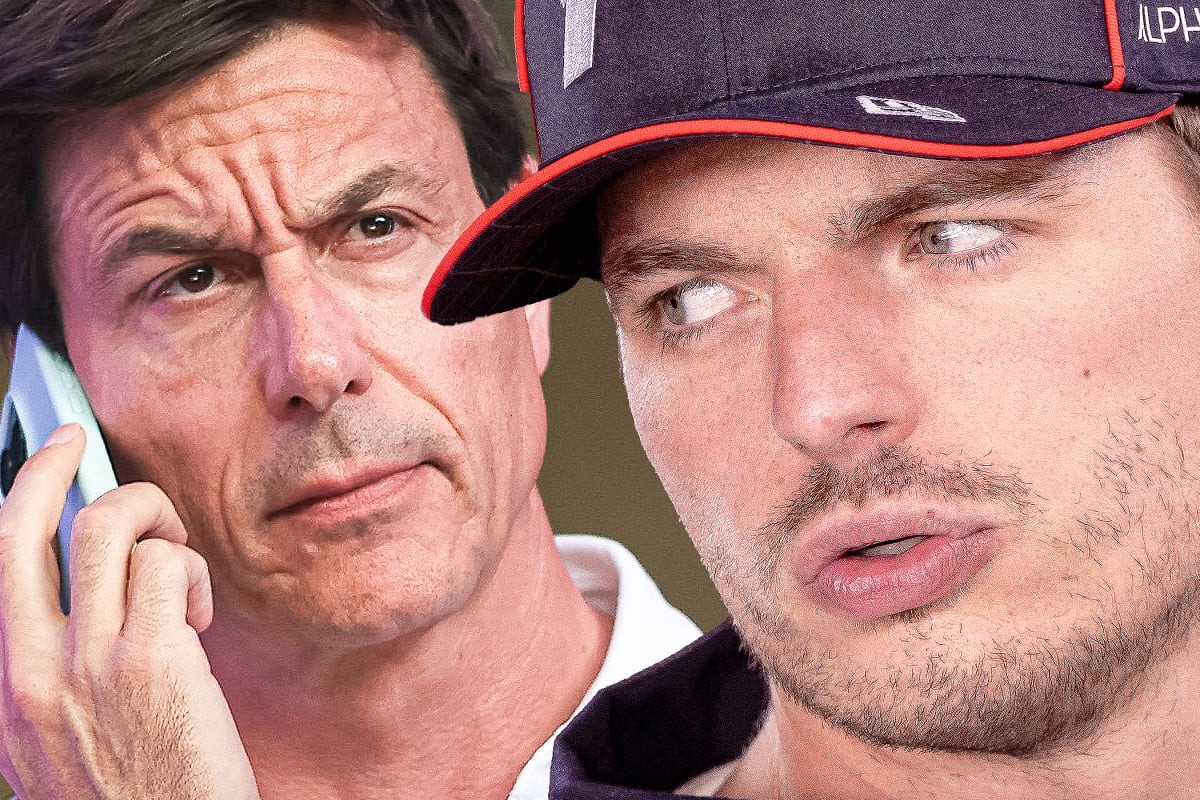
The debate surrounding Formula 1’s bold 2026 regulations has intensified, with Toto Wolff taking a pointed swipe at Max Verstappen over his criticism of the sport’s new direction. As uncertainty grows around Verstappen’s long-term future with Red Bull Racing, Wolff has firmly defended the changes, describing the new era as a return to “pure racing.”
The 2026 regulations have introduced a significant shift in Formula 1’s technical philosophy. With a stronger emphasis on electrical energy deployment and sustainable power units, drivers are now required to carefully manage battery usage throughout each lap. These updates, combined with revised chassis rules, were designed to reduce the sport’s environmental impact while also improving wheel-to-wheel action on track.
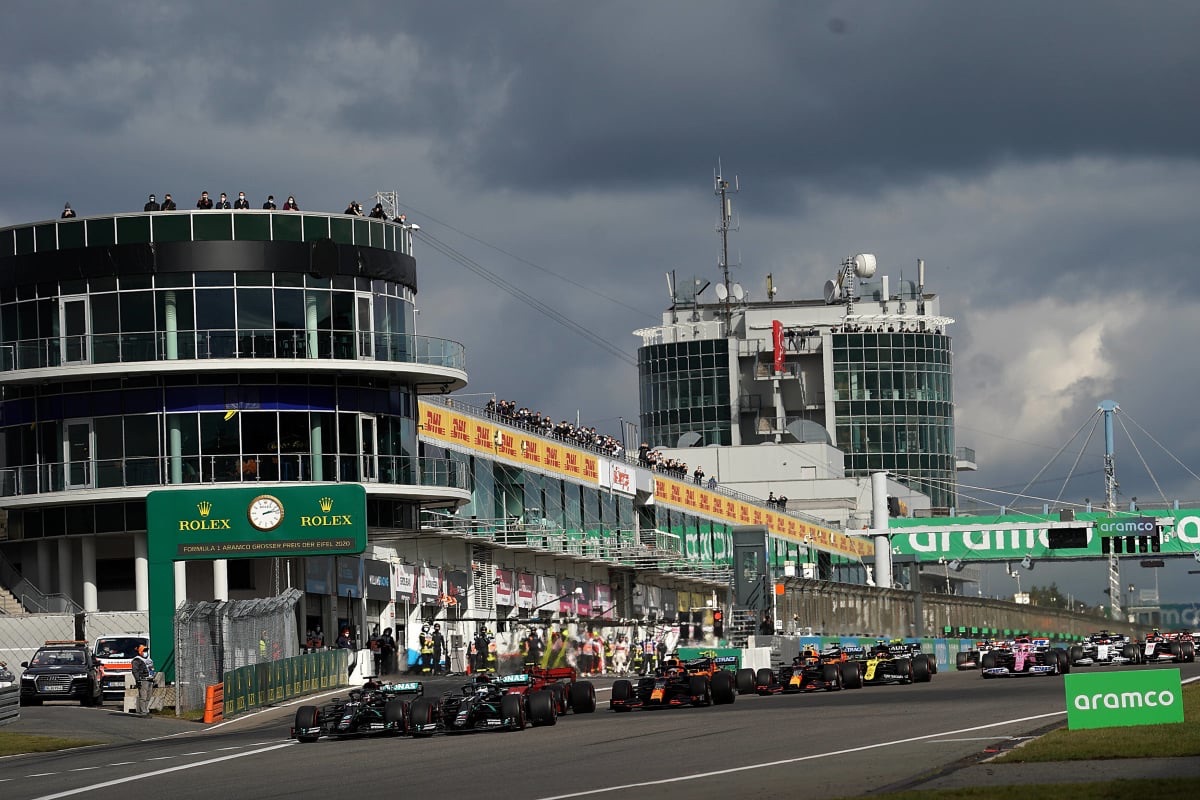
So far, the changes appear to be delivering on at least one promise—more overtaking. The opening three races of the season have featured noticeably increased on-track battles compared to the same events in 2025, suggesting the regulations are achieving their goal of creating closer and more dynamic racing.
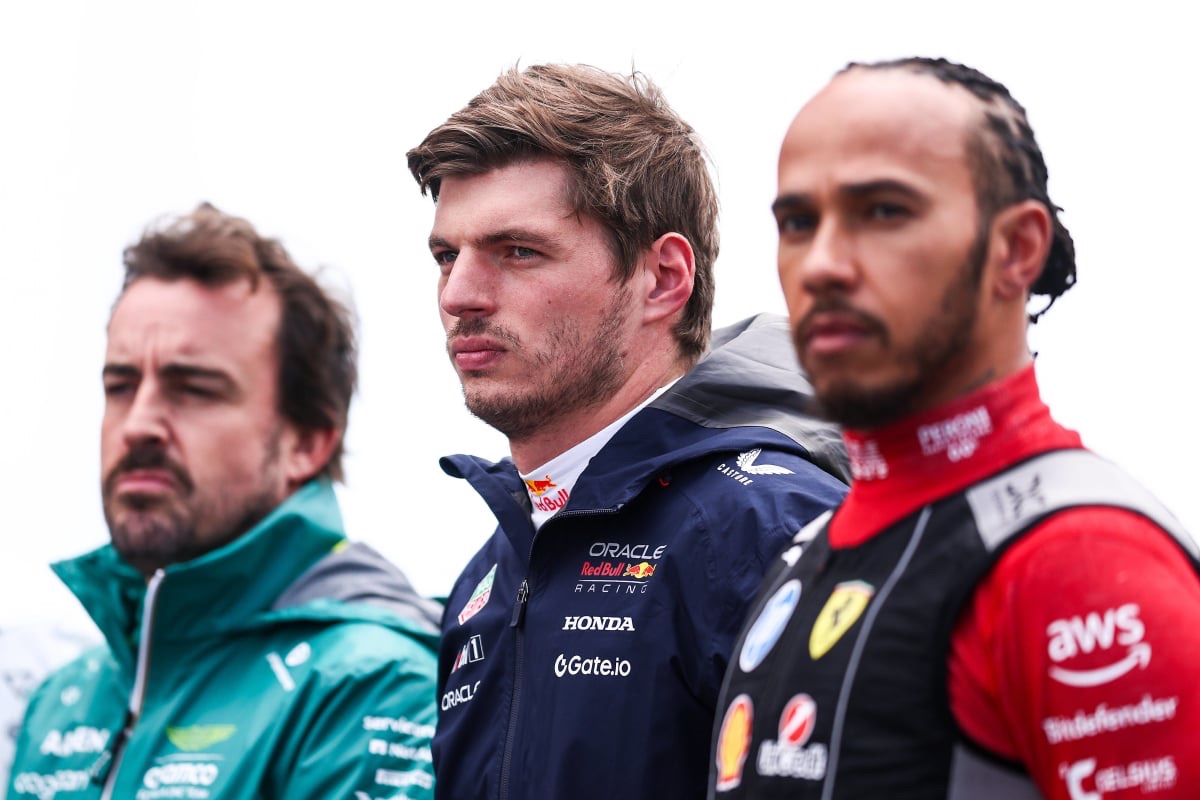
However, not everyone is convinced. Verstappen has been one of the most vocal critics, repeatedly stating that the new cars are less enjoyable to drive. The reigning champion even hinted after the Japanese Grand Prix that he could consider walking away from Formula 1 if adjustments are not made. His concerns were echoed, to an extent, by Fernando Alonso, who questioned whether the new cars truly reward driver skill in the same way as previous generations.
In contrast, several leading figures have embraced the new regulations. Lewis Hamilton described the 2026 season as producing some of the best racing he has ever experienced, highlighting the strategic complexity introduced by energy management. Meanwhile, George Russell has also spoken positively about the changes, praising the increased competitiveness across the grid.
Wolff has now added his voice to the conversation, offering a clear rebuttal to Verstappen’s stance. Speaking during the Japanese Grand Prix weekend, the Mercedes team principal emphasized that Formula 1 is evolving in an exciting and meaningful way.
According to Wolff, the strategic element of energy deployment has added a new layer of depth to racing. He explained that watching one driver conserve battery power while another deploys it aggressively creates a fascinating tactical battle, placing more control directly in the hands of the drivers.
He also suggested that Verstappen’s frustrations may stem from a preference for the previous regulations, which often produced less overtaking—particularly at circuits like Suzuka. Wolff implied that while the old cars may have suited certain driving styles, the new rules are pushing competitors to adapt and evolve.
As the season progresses, the divide in opinion among drivers and teams highlights a pivotal moment for Formula 1. While some see the 2026 regulations as a necessary and thrilling step forward, others remain unconvinced. With Verstappen’s future now the subject of speculation, the ongoing debate could shape not only the direction of the sport but also the composition of the grid in the years to come.