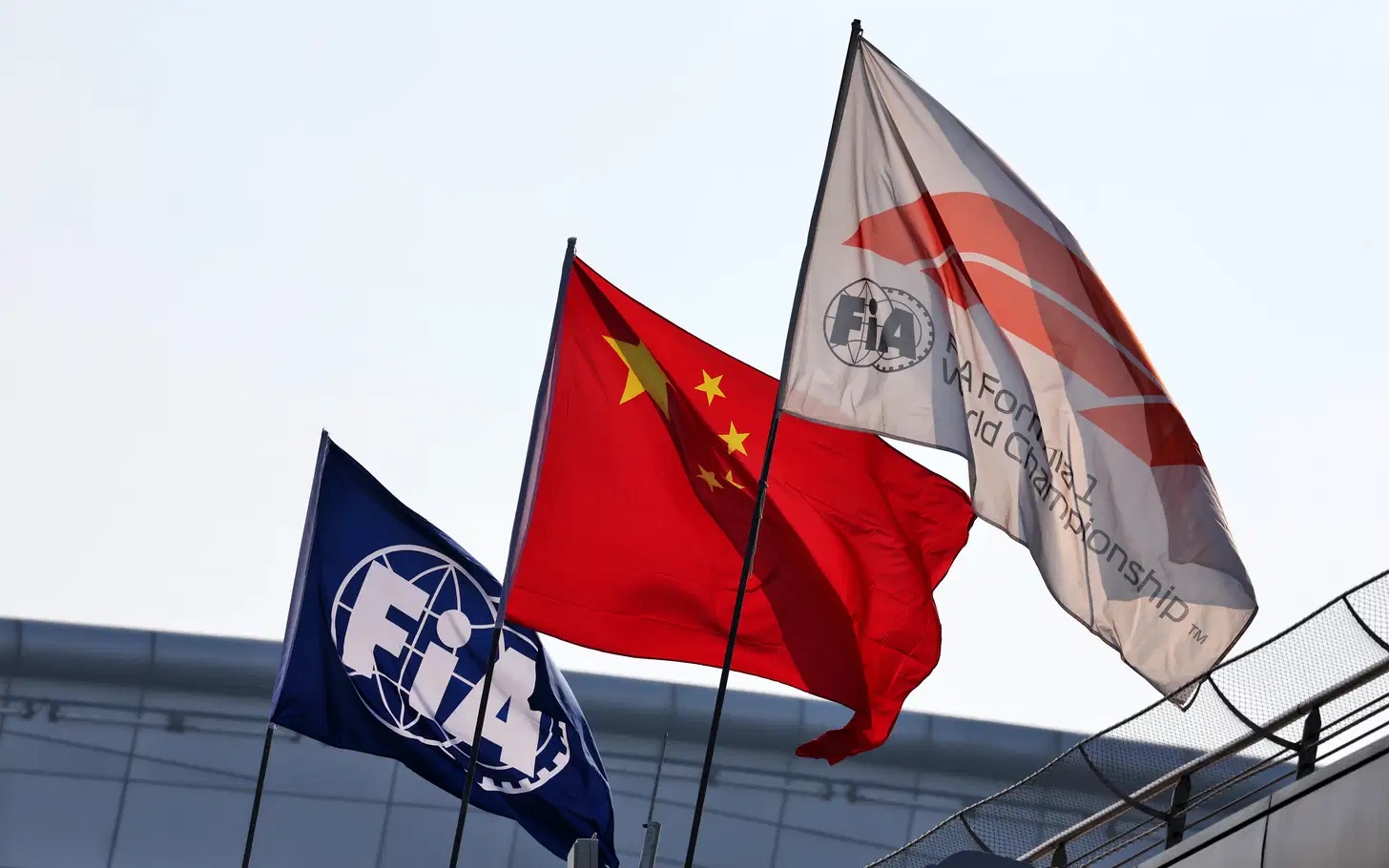
As the Formula 1 paddock prepares for the upcoming Chinese Grand Prix at the Shanghai International Circuit, teams are expected to benefit from relatively stable and predictable weather conditions throughout the race weekend. Unlike some previous events where unpredictable rain or extreme temperatures complicated strategies, the forecast for Shanghai suggests a calm and dry environment. This stability should allow teams to concentrate primarily on optimizing performance, car setup, and race execution rather than constantly adjusting their plans to changing weather patterns.
The race weekend will begin with practice sessions and sprint qualifying on Friday under favorable conditions. Meteorological forecasts indicate that the day will feature clear skies and cool temperatures, with the mercury expected to peak at around 15°C. A gentle breeze of approximately 16 km/h is also predicted, which should not significantly affect car balance or aerodynamics. Such weather is generally considered ideal for Formula 1 machinery, as cooler track temperatures can improve engine performance and reduce overheating risks for both cars and tyres. Consequently, drivers should have a comfortable environment in which to gather data and fine-tune their cars ahead of the more competitive sessions later in the weekend.
Another important factor is the expected dryness of the circuit. Forecasts indicate that no rain is anticipated during the opening day, meaning the track should remain consistently dry throughout practice and sprint qualifying. This is significant because wet weather can disrupt the gathering of performance data and force teams to alter their programmes. With dry conditions likely, engineers will be able to focus on long runs, tyre degradation studies, and aerodynamic adjustments without worrying about sudden weather interruptions. Such stability tends to benefit teams that rely heavily on simulation data and precise setup planning, as the conditions during practice are likely to mirror those during the race itself.
Moving into Saturday, which will host both the sprint race and the main qualifying session, the forecast suggests slightly warmer but still stable weather. Temperatures are predicted to climb to roughly 16°C, accompanied by continued sunshine and even lighter winds. The combination of mild warmth and calm conditions should create a smooth racing surface and predictable tyre behaviour. Because the sprint format compresses the weekend schedule, teams typically have limited time to make setup adjustments. Therefore, having reliable weather becomes especially valuable, as it allows teams to approach both the sprint race and qualifying with greater confidence in their strategy and car configuration.
The persistence of dry conditions on Saturday also means teams can focus entirely on maximizing performance rather than making contingency plans for rain. When precipitation threatens, teams must prepare multiple strategies involving intermediate or wet tyres, pit-stop timing, and altered aerodynamic setups. In contrast, a dry forecast simplifies these decisions and encourages aggressive performance-focused strategies. Drivers will likely push harder in qualifying and the sprint race because the predictable conditions reduce the risk of sudden weather-related surprises.
Sunday’s Grand Prix, the highlight of the weekend, is expected to follow a similar pattern. While meteorologists predict some cloud cover during the race day, it is not expected to bring rain or major weather disruptions. The absence of precipitation should maintain a dry racing line and stable track grip throughout the event. For teams and drivers alike, this consistency means the race is more likely to be determined by pace, tyre management, and strategic decisions rather than unpredictable weather variables.
Stable weather can significantly influence the competitive dynamics of a Formula 1 weekend. When conditions remain constant, teams that have strong baseline setups and efficient tyre management often thrive. Conversely, unpredictable weather can sometimes level the playing field, giving underdog teams opportunities to capitalize on chaos. In Shanghai’s expected calm conditions, the race outcome will likely depend heavily on each team’s technical performance and execution rather than chance weather events.
Another aspect worth noting is how temperature influences tyre behaviour. Cooler conditions such as those predicted in Shanghai tend to slow down tyre degradation compared to extremely hot races. However, they can also make it harder for drivers to bring tyres up to the optimal operating window, particularly during qualifying laps. Engineers must therefore carefully adjust tyre pressures and car balance to ensure that drivers achieve maximum grip at the right moment. With temperatures hovering in the mid-teens Celsius, teams will likely focus on generating enough heat in the tyres during out-laps to ensure strong performance during timed laps.
Wind conditions are also important for Formula 1 cars, which rely heavily on aerodynamic efficiency. Even moderate gusts can destabilize a car when drivers are braking or cornering at high speed. Fortunately, forecasts suggest only gentle winds across the weekend, meaning aerodynamic performance should remain consistent from session to session. This further contributes to the reliability of the conditions and allows drivers to push their cars with confidence.
For fans and analysts, a dry and stable Chinese Grand Prix weekend could provide a clearer picture of the competitive order in the early part of the season. Without weather disruptions masking true performance, the relative strengths of different teams and drivers may become more apparent. This could help establish momentum for teams heading into the next races on the calendar, including the following rounds in Japan and beyond.
In summary, the upcoming Chinese Grand Prix is shaping up to take place under predictable, dry, and relatively cool weather conditions. Friday should deliver sunny skies and mild temperatures around 15°C, providing ideal circumstances for practice and sprint qualifying. Saturday is expected to remain dry and slightly warmer at about 16°C, creating favourable conditions for both the sprint race and qualifying. Finally, Sunday’s Grand Prix should continue the trend with some cloud cover but little threat of rain. These stable conditions are likely to allow teams to concentrate fully on performance, tyre management, and race strategy, setting the stage for a competitive and technically driven race weekend in Shanghai.