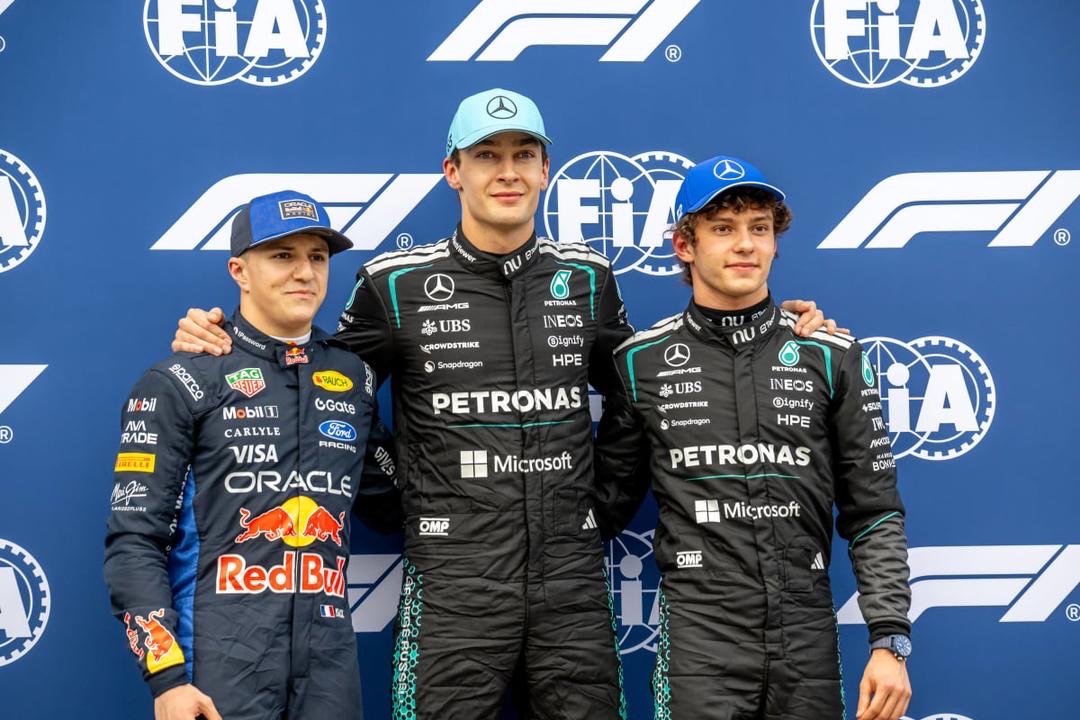
The opening race of the 2026 Formula 1 season delivered a dramatic start to the championship as teams and drivers battled at the Australian Grand Prix in Melbourne. The race, held at the Albert Park Circuit, showcased the first competitive outing of the new technical regulations introduced for the 2026 season. With fresh cars, new team dynamics, and a grid full of talented drivers, the race provided excitement, strategic battles, and several notable incidents that shaped the final classification after penalties were applied.
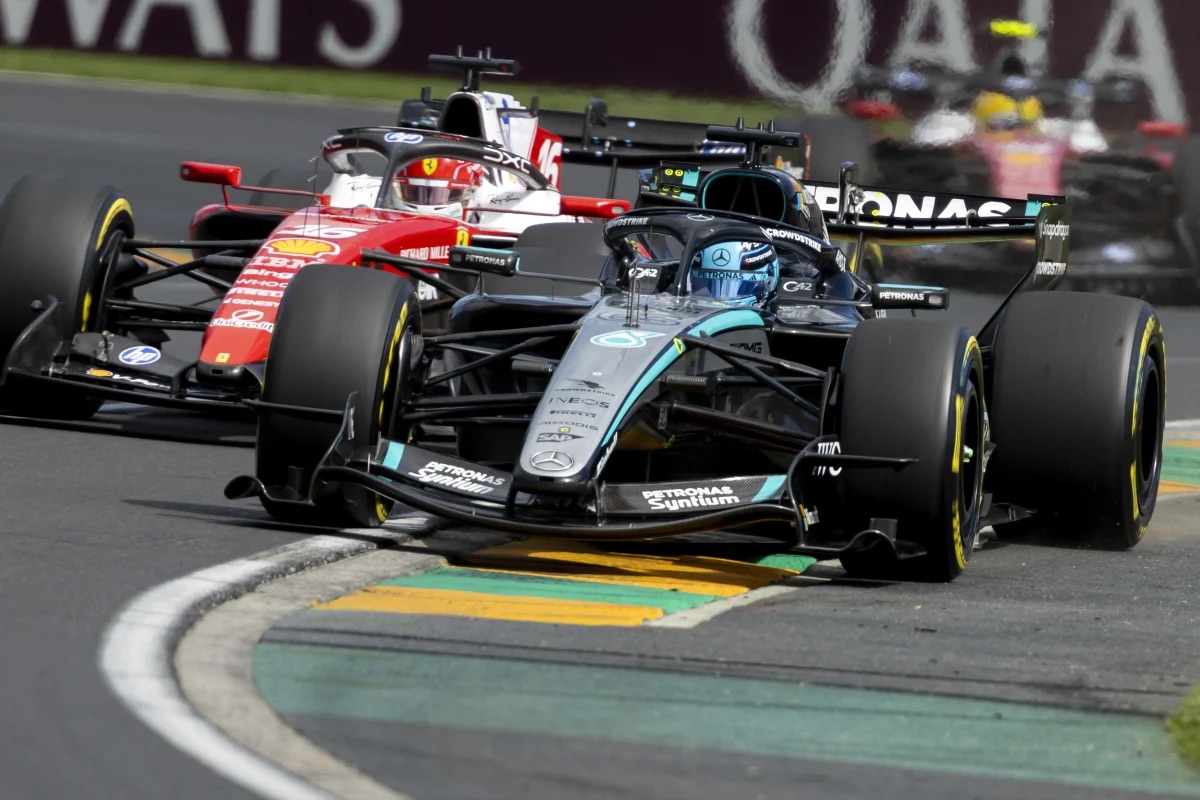
At the end of the race, George Russell emerged as the winner, securing a significant victory for Mercedes and beginning the season in dominant fashion. Russell’s performance was strong throughout the event, as he converted his pole position start into a race win. Despite early pressure from rivals and a challenging opening phase, the British driver maintained composure and managed the race effectively. His triumph also handed Mercedes an ideal start to the season, reinforcing the team’s competitiveness under the new regulations.
Mercedes enjoyed an even greater success as the team achieved a one-two finish, with Russell’s teammate Kimi Antonelli finishing in second place. Antonelli delivered an impressive drive, demonstrating both pace and maturity as he followed Russell home. The result represented a perfect outcome for the team, giving them maximum momentum heading into the rest of the season. The 1-2 finish also marked another milestone for Mercedes, adding to the team’s long list of achievements in Formula 1.
Ferrari’s Charles Leclerc finished the race in third place after a competitive performance that saw him briefly lead the race in the early stages. At the start of the race, Leclerc made a brilliant getaway and seized the lead into the first corner, taking advantage of a strong launch off the line. For several laps, he battled closely with Russell, with the two drivers exchanging strategic advantages as they managed their energy deployment systems and tire strategies.
However, the race took a critical turn when a Virtual Safety Car (VSC) period was triggered following a technical problem for Red Bull driver Isack Hadjar. The VSC neutralized the race temporarily and opened a strategic window for teams to make pit stops. Mercedes reacted quickly to the opportunity and executed a double pit stop for both Russell and Antonelli during the VSC period. This strategy proved to be decisive because Ferrari opted not to pit their drivers at that moment, which ultimately allowed Mercedes to gain a tactical advantage and reclaim control of the race.
Behind the top three finishers, Lewis Hamilton, now racing for Ferrari, secured fourth place. Hamilton had been part of the battle near the front and remained competitive throughout the race. However, Ferrari’s strategy during the VSC phase was widely questioned, including by Hamilton himself, as it potentially cost the team an opportunity to challenge Mercedes more strongly for victory.
McLaren driver Lando Norris completed the race in fifth position. Norris delivered a solid performance despite difficulties faced by the team earlier in the weekend. Unfortunately for McLaren, the home crowd favorite Oscar Piastri was unable to start the race due to a power unit issue that forced him to retire before the race even began. This disappointment deprived fans of the chance to see the Australian driver compete on home soil.
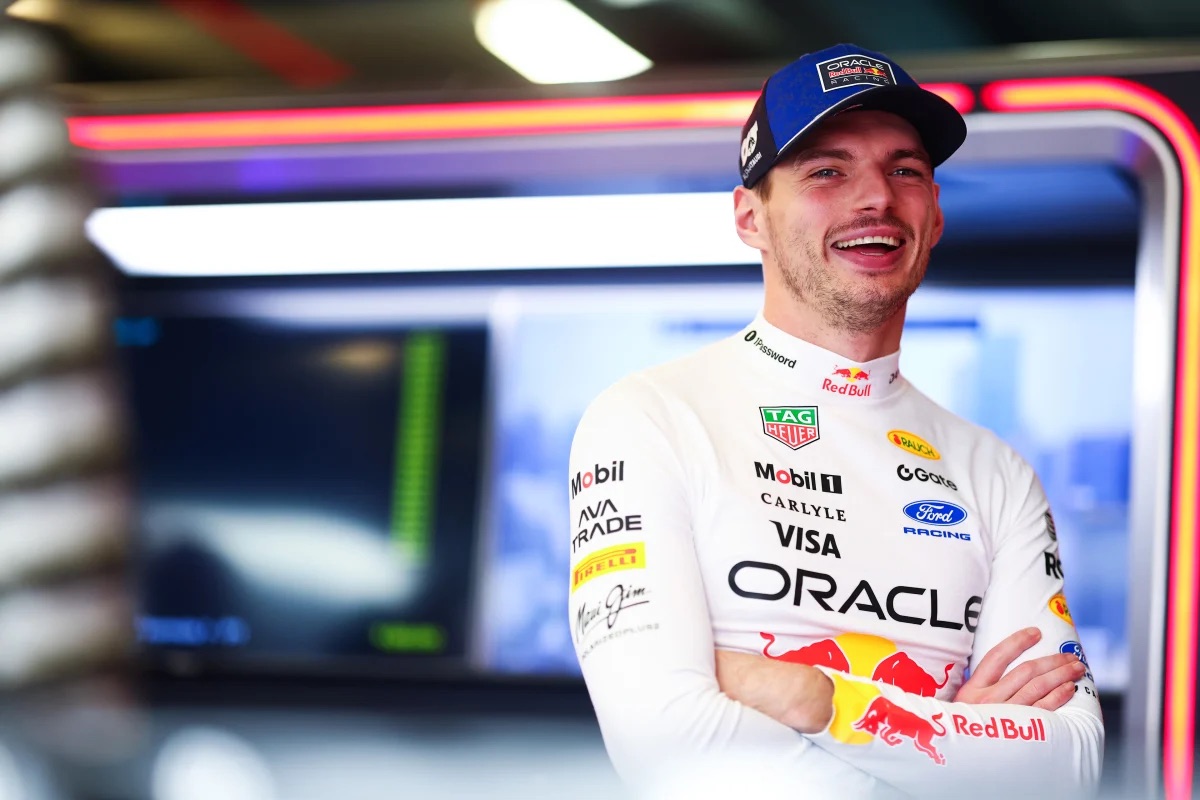
One of the most notable drives of the race came from Max Verstappen, who finished in sixth place. Verstappen had started the race from the back of the grid after suffering problems in qualifying. Despite this setback, he managed to produce a remarkable recovery drive through the field. By the end of the race, he had climbed to sixth place and was the final driver to finish on the lead lap, demonstrating his skill and determination in difficult circumstances.
Further down the order, several young drivers and newcomers impressed by finishing inside the points. Oliver Bearman claimed seventh position after a steady race, showing strong pace and consistency. Rookie Arvid Lindblad finished eighth, delivering an encouraging result early in his Formula 1 career. Another rookie, Gabriel Bortoleto, finished ninth and secured the first championship points for Audi in Formula 1, marking a historic milestone for the team. Completing the top ten was Pierre Gasly, who took tenth place for Alpine.
The race itself featured intense battles and strategic decisions influenced by the introduction of new technical rules for the 2026 season. Teams had to carefully manage energy deployment systems and tire strategies while adapting to the behavior of the new cars. The early duel between Russell and Leclerc illustrated how closely matched the leading teams were, especially in the opening laps when several drivers remained within striking distance of the lead.
Mercedes’ strategic call during the Virtual Safety Car proved to be the defining moment of the race. By bringing both drivers into the pits while the field was slowed, the team minimized time loss and gained track position over Ferrari. Once the race resumed under green flag conditions, Russell was able to maintain his advantage and control the pace until the checkered flag.
Overall, the race highlighted several key storylines for the 2026 Formula 1 season. Mercedes showed strong competitiveness from the outset, Ferrari demonstrated speed but struggled with strategic decisions, and several younger drivers impressed with promising performances. The result also suggested that the championship battle could be tightly contested as teams adapt to the new era of Formula 1 regulations.
In summary, the final classification after penalties confirmed George Russell as the winner of the 2026 Australian Grand Prix, followed by Kimi Antonelli in second place and Charles Leclerc in third. Lewis Hamilton finished fourth, Lando Norris fifth, and Max Verstappen sixth, while Bearman, Lindblad, Bortoleto, and Gasly completed the top ten positions.
The race not only opened the 2026 season with excitement but also set the tone for what could be a highly competitive championship year. With Mercedes starting strongly and other teams close behind, fans can expect intense battles as the season continues.