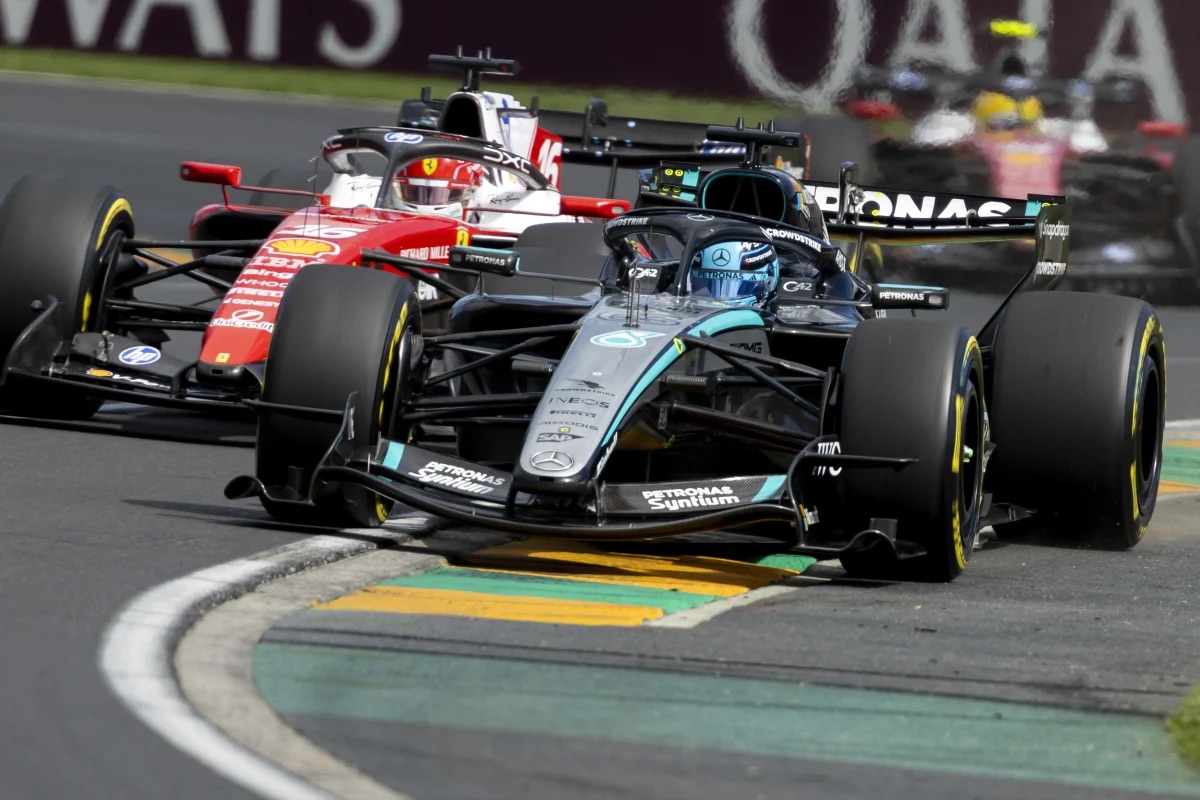
The opening race of the 2026 Formula One season concluded with the FIA confirming the final classification for the Australian Grand Prix after applying all relevant penalties and race decisions. The event, held at Melbourne’s Albert Park Circuit, marked the first opportunity for teams and drivers to compete under the sport’s new regulations introduced for the 2026 season. Once the race finished and stewards finalized the results, Mercedes driver George Russell emerged as the official winner of the race, securing a strong start to the championship campaign.
Russell’s victory came after an intense early battle with Ferrari’s Charles Leclerc. During the initial stages of the race, both drivers fought for track position as they attempted to establish control at the front of the field. The competition between the two drivers remained close until the race strategy began to play a decisive role. Mercedes made a key decision during a virtual safety car period, bringing Russell into the pits at the right moment. This well-timed pit stop allowed him to switch tyres and gain a strategic advantage over his rivals.
After returning to the track with hard tyres fitted to his car, Russell was able to maintain a strong pace and steadily build a comfortable lead over the rest of the field. With the advantage created by the earlier pit stop and the performance of the Mercedes car, he managed to control the race from the front and eventually crossed the finish line in first place. The result not only gave him victory in the opening round but also positioned him as the early leader in the drivers’ championship standings.
Mercedes celebrated an even greater success as Russell’s teammate, rookie driver Kimi Antonelli, secured second place. Antonelli’s impressive performance ensured that the German team achieved a one-two finish in the first race of the season. Finishing less than three seconds behind Russell, the young Italian driver demonstrated strong pace and consistency throughout the race. The result marked an encouraging start for Antonelli’s campaign and highlighted the competitiveness of the Mercedes team under the new technical regulations.
Ferrari also had reason to celebrate despite missing out on victory. Charles Leclerc finished in third place, completing the podium lineup behind the two Mercedes drivers. Leclerc remained competitive during the race but ultimately could not match the pace of Russell after the strategic pit stop under the virtual safety car. Nevertheless, the podium finish allowed Ferrari to collect valuable points early in the season.
Leclerc’s Ferrari teammate Lewis Hamilton finished just behind him in fourth position. Hamilton, who had recently joined Ferrari after spending many years with Mercedes, delivered a solid performance during the race weekend. Although he narrowly missed out on a podium finish, his fourth-place result ensured a strong points haul for Ferrari and demonstrated that the team could challenge at the front of the field.
McLaren driver Lando Norris completed the race in fifth place. While Norris was unable to compete directly for the podium positions, his performance still earned valuable championship points for the team. McLaren had shown promising pace in earlier sessions during the weekend, but the race result placed them just outside the leading battle between Mercedes and Ferrari.
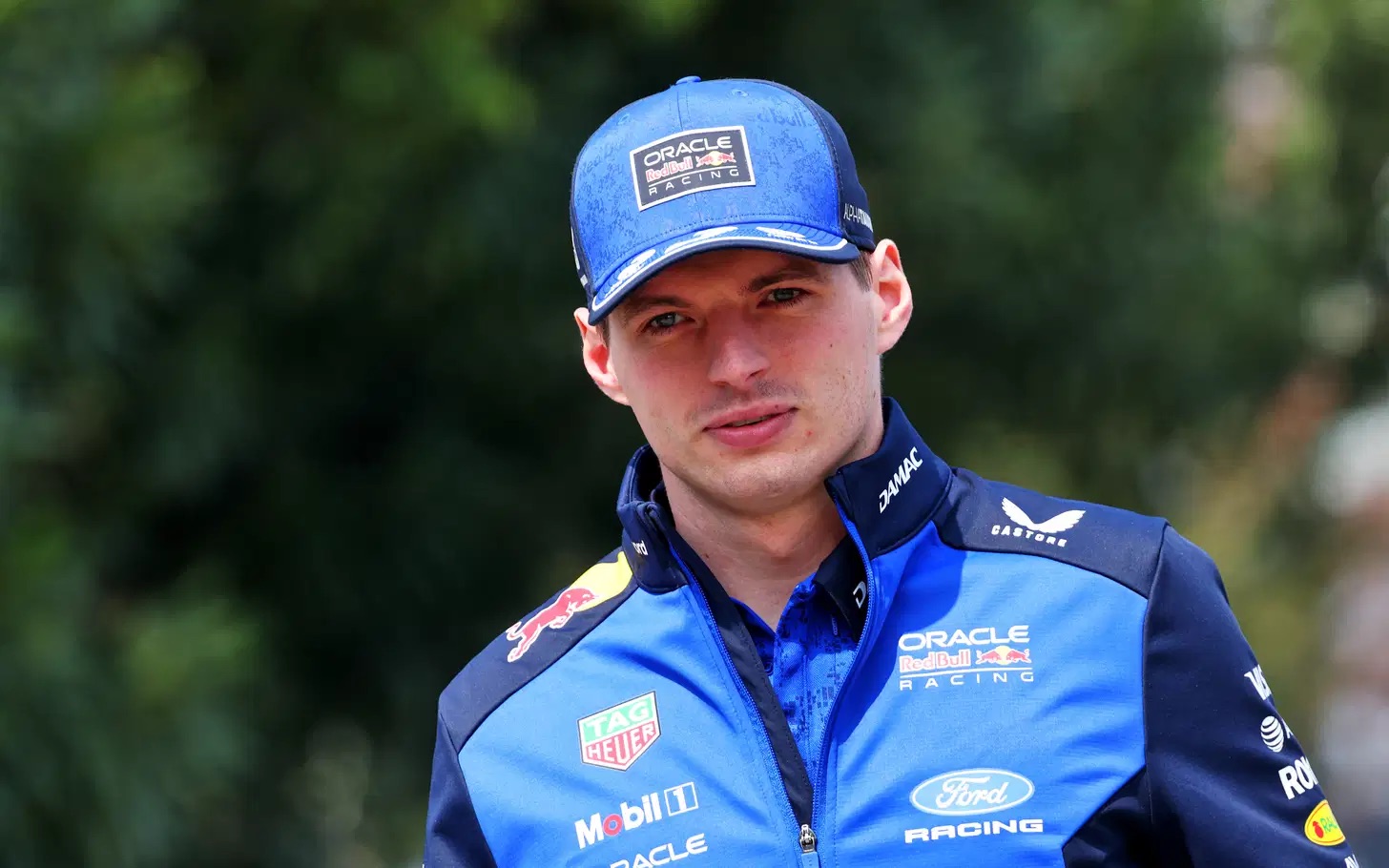
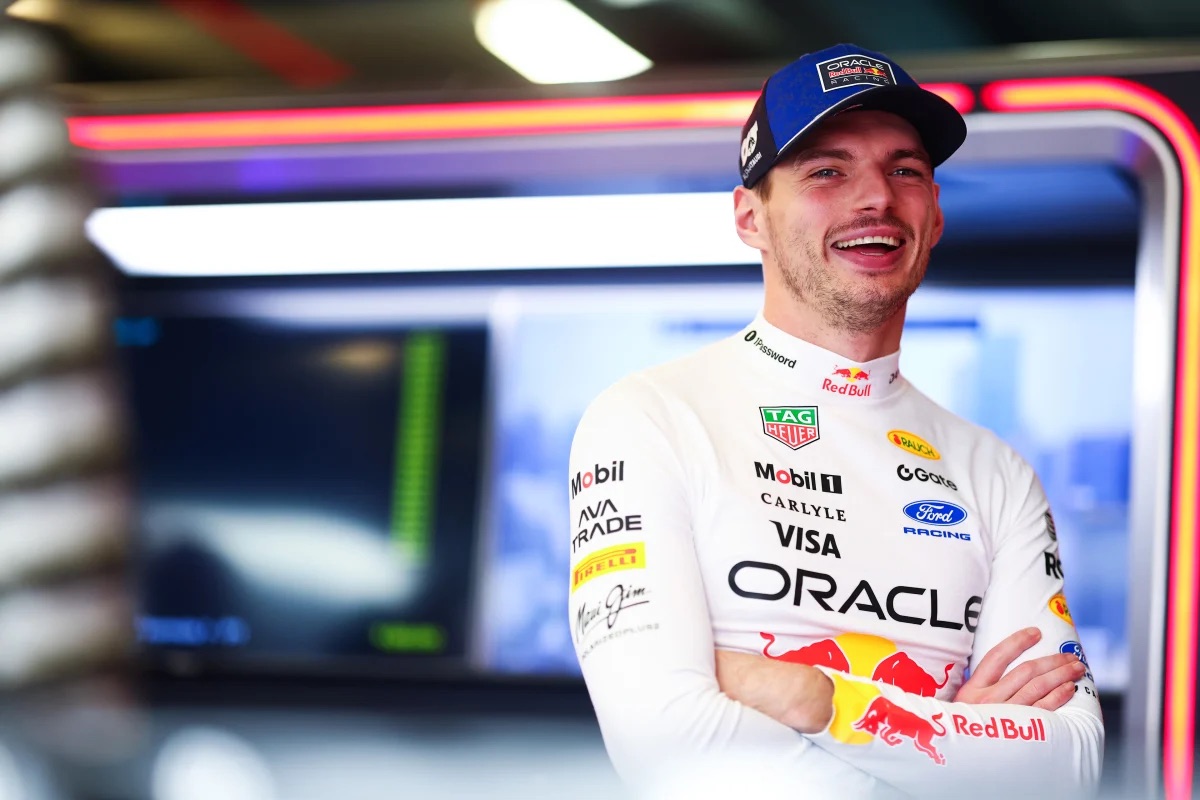
One of the most notable performances of the race came from Red Bull driver Max Verstappen. After starting the race from the very back of the grid in 20th place, Verstappen delivered an impressive comeback drive. Through consistent overtaking and strong race management, he was able to climb through the field and finish in sixth position by the time the checkered flag was waved. His recovery drive allowed him to secure valuable points despite a difficult qualifying session earlier in the weekend.
However, the race proved frustrating for Red Bull overall. Verstappen’s teammate, rookie driver Isack Hadjar, was forced to retire from the race due to a technical problem with his car. This was particularly disappointing for the young driver because he had qualified in a very strong third position before the race began. The mechanical failure prevented him from converting that promising starting position into a solid result.
Further down the order, several other drivers completed the points-scoring positions. Haas driver Oliver Bearman finished seventh, while Racing Bulls driver Arvid Lindblad took eighth place. Audi’s Gabriel Bortoleto secured ninth position, and Alpine driver Pierre Gasly rounded out the top ten to claim the final point available in the race.
Outside the points, the remaining finishers included drivers such as Esteban Ocon, Alex Albon, Liam Lawson, Franco Colapinto, Carlos Sainz, and Sergio Perez. Several competitors experienced particularly difficult races, with Aston Martin driver Lance Stroll finishing many laps behind the leaders after struggling throughout the event.
The race also featured multiple retirements and non-starters. Aston Martin’s Fernando Alonso and Cadillac driver Valtteri Bottas were both unable to finish the race, recording DNFs due to issues encountered during the event. Meanwhile, two drivers failed to start the race altogether. McLaren’s Oscar Piastri and Audi’s Nico Hulkenberg were listed as DNS (Did Not Start) in the final classification, meaning they were unable to take part in the race itself.
Following the completion of the race, officials reviewed the event and confirmed the final standings after applying any necessary penalties or steward decisions. Once these adjustments were finalized, the FIA officially released the confirmed classification for the Australian Grand Prix, establishing the results that would count toward the championship standings.
With the first race of the season completed, the championship battle immediately moved on to the next event. Teams and drivers prepared for a quick turnaround, as the second race of the 2026 Formula One calendar was scheduled to take place just one week later at the Chinese Grand Prix in Shanghai. The short gap between the races meant that teams needed to rapidly analyze their performance in Melbourne and make adjustments ahead of the next round of competition.
Overall, the 2026 Australian Grand Prix delivered an exciting opening chapter to the season. Mercedes emerged as the dominant team during the race with a one-two finish, while Ferrari and McLaren also showed competitive pace. Meanwhile, Verstappen’s impressive recovery drive demonstrated that dramatic comebacks remain possible even when starting from the back of the grid. With the championship just beginning, the results from Melbourne set the stage for an intense battle among teams and drivers throughout the rest of the season.