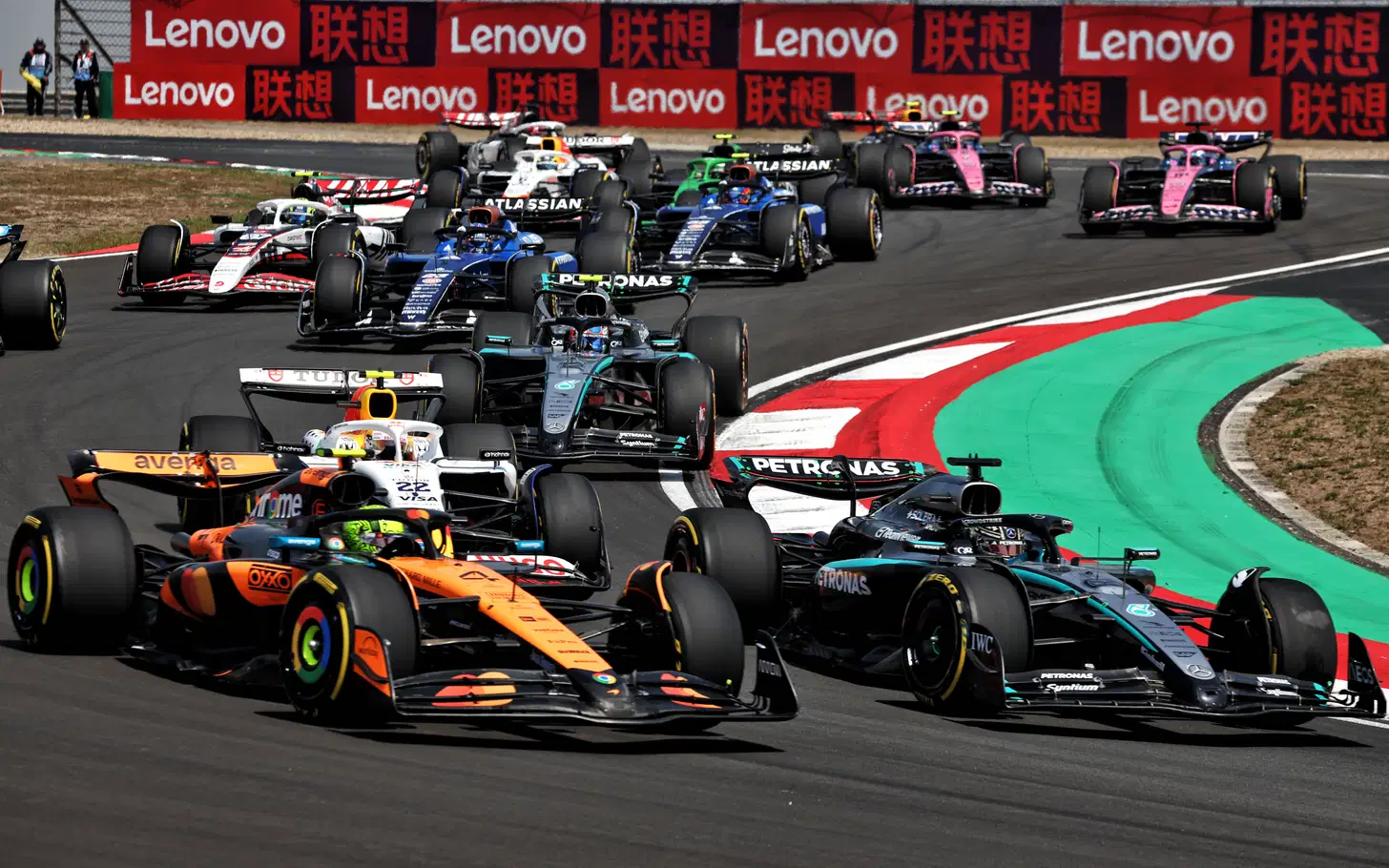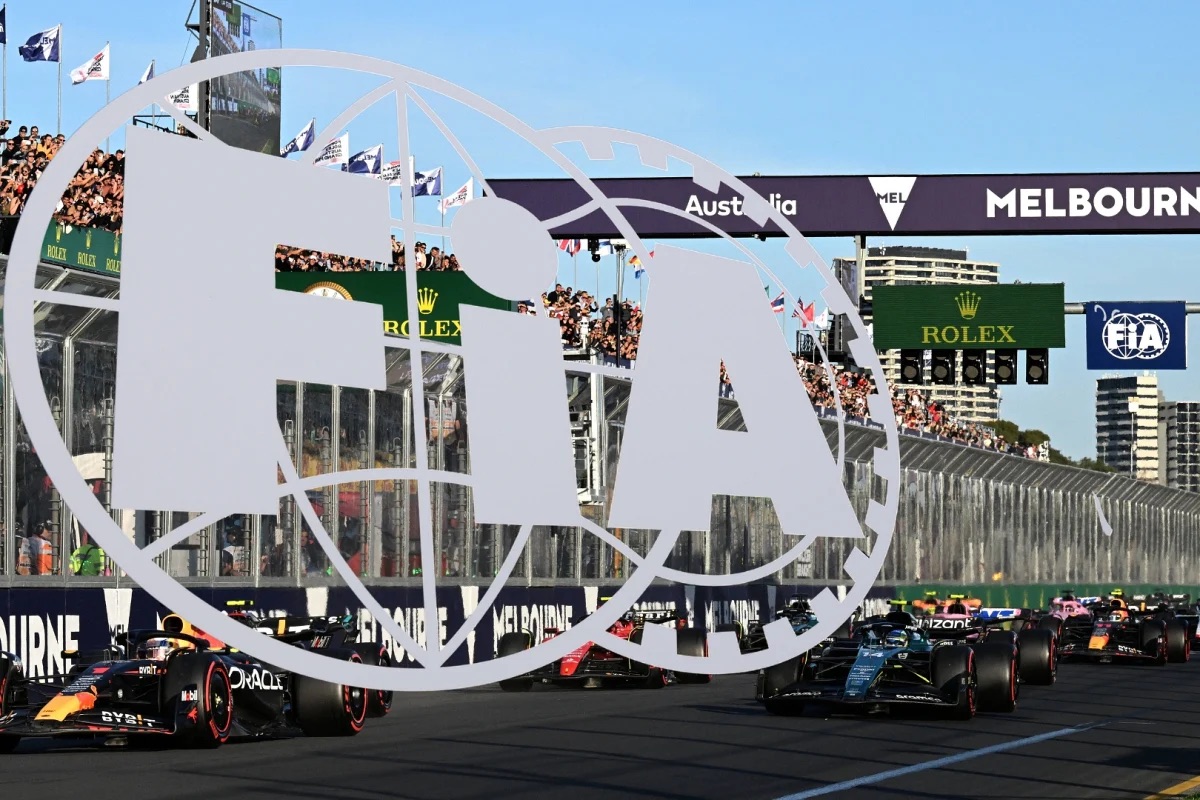
The start of a Formula 1 race is often one of the most unpredictable and dramatic moments in motorsport. When the lights go out and drivers launch from the grid, anything can happen. Sometimes the field navigates the opening lap smoothly, but in other cases the start can descend into chaos, forcing race officials to intervene with a red flag. As the 2026 Formula 1 season prepares to begin at the Australian Grand Prix in Melbourne, there are growing concerns that the race start could produce a large multi-car accident. Some observers fear that the new technical regulations introduced this season could significantly increase the chances of a major pile-up involving many cars.
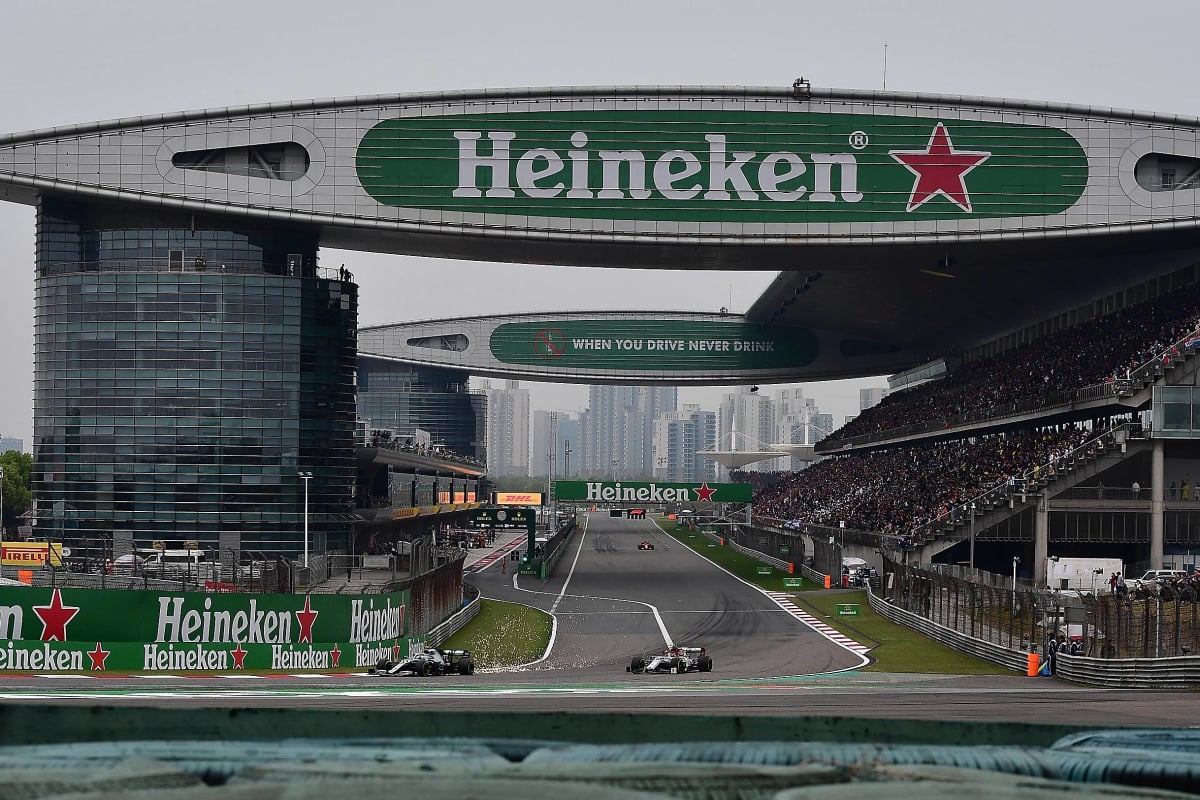
The Australian Grand Prix at Albert Park traditionally marks the beginning of the Formula 1 season and usually attracts enormous attention from fans around the world. However, the 2026 season has introduced sweeping rule changes, particularly concerning the new generation of engines and hybrid power units. These changes have altered how cars behave when starting from a standstill. According to reports and analysis, the new engines require a brief period of charging to deliver their full power during the race start. This process is not immediate and can complicate the launch procedure for some teams.
Because of this technical difference, certain teams appear to have a significant advantage when the lights go out. Ferrari and teams that use Ferrari power units—including Cadillac and Haas—seem capable of achieving strong launches more easily. Their engines appear to require less time to reach optimal power output, enabling their cars to accelerate effectively as soon as the race begins. This advantage could allow Ferrari-powered machines to surge forward quickly at the start of the race.
In contrast, teams powered by other engine manufacturers may struggle to generate the same immediate performance off the grid. Cars using Mercedes, Ford-backed Red Bull powertrains, Audi, and Honda engines reportedly take longer to reach the ideal power level needed for the best launch. If the red lights go out before these engines reach peak readiness, the drivers could experience a slower start compared with their Ferrari-powered rivals. This imbalance could lead to a situation where some cars accelerate rapidly while others hesitate slightly.
Such uneven starts could create a dangerous scenario as the cars approach the first corner. Formula 1 race starts involve twenty or more cars accelerating in close proximity at extremely high speeds. If some cars move away much faster than others, drivers behind them may be forced to react instantly to avoid collisions. Even a small difference in acceleration can quickly turn into a major hazard when the entire field is tightly packed together on the opening lap.
Experts and observers warn that this performance gap could trigger a chain reaction of incidents. If one driver brakes suddenly or is forced to take evasive action due to a slower car ahead, others behind might not have enough time or space to respond. In such situations, a single collision can easily escalate into a multi-car crash. Some analysts fear that the result could be an eight-car pile-up or even larger accident at the very start of the race.
The concern is particularly significant because the opening lap is already one of the most accident-prone phases of any race. Drivers are battling for position, tires and brakes may not yet be at optimal temperature, and the entire field is grouped closely together. Introducing new engine behaviors that create uneven acceleration could make this already risky situation even more volatile.
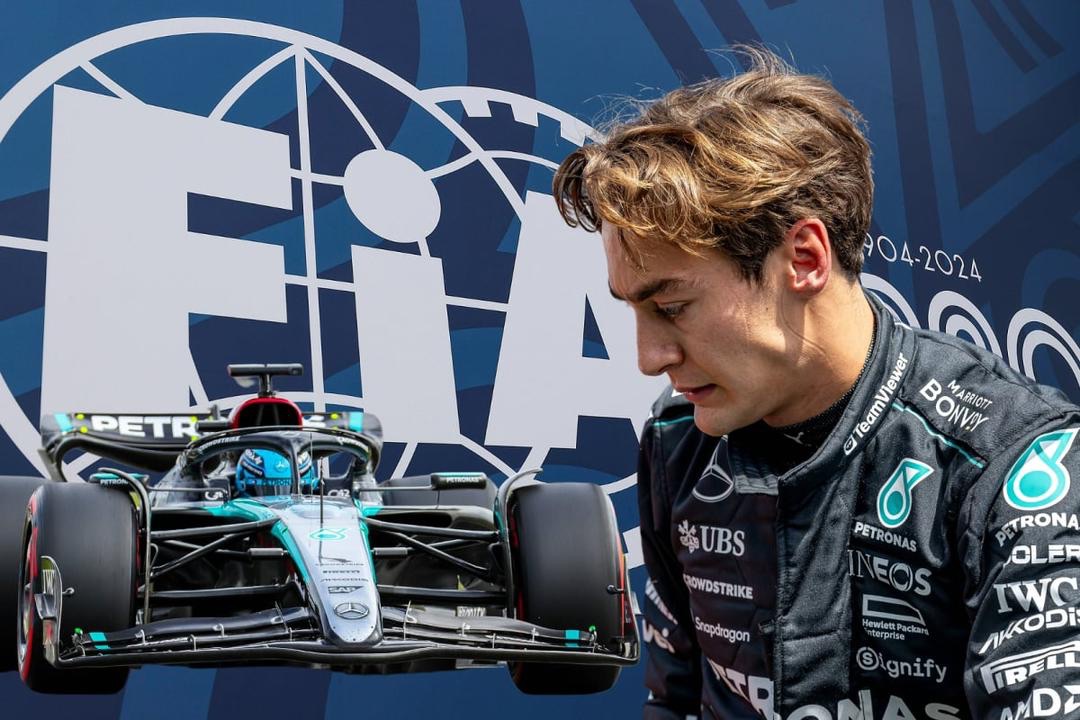
If such a pile-up were to occur, it would likely force race officials from the FIA—the governing body of Formula 1—to intervene immediately. A large accident involving several cars could scatter debris across the track, making it unsafe to continue racing. In that case, race control would probably deploy a red flag to stop the event while marshals clear the circuit and damaged vehicles are removed.
The possibility of such a dramatic incident serves as a warning to both teams and regulators. It highlights the unpredictable consequences that can emerge when major rule changes are introduced in motorsport. Even when new regulations are carefully designed, their real-world effects may only become fully apparent once the cars compete under race conditions. The 2026 engine rules, while intended to improve efficiency and technological innovation, may also have unintended impacts on how races begin.
Teams will therefore need to manage their starting procedures carefully to avoid problems. Engineers and drivers must work together to understand how their new power units behave and ensure that the cars deliver consistent performance when launching from the grid. Small adjustments in engine settings, clutch control, and driver technique could help reduce the risk of uneven starts and minimize the chance of accidents.
Ultimately, the first race of a new Formula 1 season always carries an element of uncertainty. Teams are still learning about their cars, drivers are eager to make strong impressions, and the competitive order is not yet fully established. With brand-new technical regulations in place for 2026, the opening race in Melbourne may be even more unpredictable than usual.
While fans hope for an exciting and competitive race, officials and teams will also be mindful of the safety risks associated with the start. The concern about a potential multi-car accident underscores the importance of careful preparation and vigilance. If the fears prove unfounded, the race could begin smoothly and showcase the new generation of Formula 1 technology in action. However, if the warnings are accurate, the Australian Grand Prix could begin with dramatic scenes that immediately test the FIA’s ability to manage a chaotic situation.
For now, the motorsport world waits to see how the new regulations will play out when the lights go out in Melbourne. The hope is that drivers navigate the opening moments safely, but the possibility of a major pile-up remains a serious concern as the 2026 season begins.