F1’s Emergency Rule: Why the Qatar Grand Prix Just Got a Whole Lot Trickier
As the 2025 Formula 1 season approaches one of its most intense phases, the Qatar Grand Prix is suddenly shaping up to be one of the most strategically complicated races of the year. Not because of a last-minute driver change or a surprise upgrade package, but due to an emergency tyre rule introduced by Pirelli in agreement with the FIA.
The key change is simple but dramatic: no set of tyres may be used for more than 25 laps during the entire race weekend.
Because the Qatar Grand Prix is 57 laps long, this automatically forces every driver to make at least two pit stops. On paper, this appears to be a small modification. In practice, it transforms strategy, increases pressure on teams, and raises new questions about how the race will unfold.
Why the Rule Was Introduced: Extreme Tyre Wear and Safety Concerns
The decision was triggered by alarming tyre wear data from previous races at the Lusail International Circuit. Qatar is known across the paddock as one of the most tyre-punishing tracks in Formula 1. Its sweeping high-speed corners, abrasive asphalt, and heavy lateral loads combine to wear down tyres at a rate far higher than average.
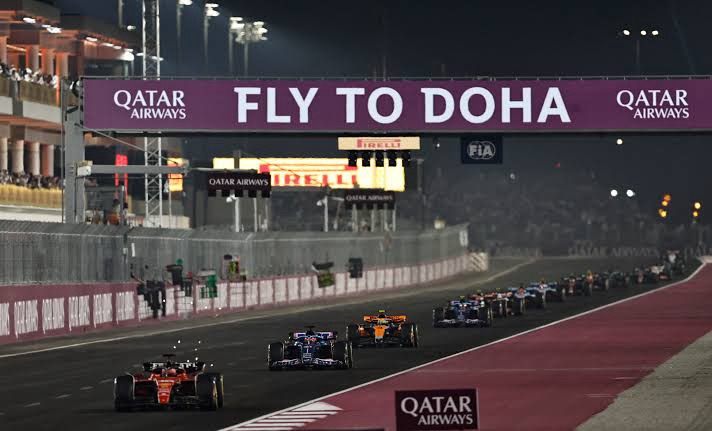
Pirelli’s analysis showed that tyres — especially the left-front — had reached dangerously high levels of degradation in past events. This raised the threat of structural failure, punctures, and potential high-speed accidents. Even improvements made to kerbs in recent years have not fully addressed the intense stress generated by the track layout.
Because of this, Pirelli and the FIA agreed that introducing a strict 25-lap limit per tyre was the only realistic way to ensure driver safety. Rather than risk blowouts or race-ending failures, the sport opted for a preventive approach.
How the Rule Changes the Qatar Grand Prix
Mandatory Two-Stop Race
With a 25-lap cap and a 57-lap race distance, teams have no choice: two pit stops are compulsory, regardless of tyre compound. This eliminates one-stop strategies entirely and reshapes the strategic landscape.
New Strategic Challenges
Here’s how the rule affects teams:
Pit-stop timing becomes crucial. Teams must decide the perfect moment to pit twice, balancing tyre life, track position, and traffic. Tyre management shifts. Instead of pushing for long stints or saving tyres to extend strategy flexibility, teams must optimize multiple shorter stints. Compound selection matters more. With three compounds available, mixing them correctly across two compulsory stops becomes a key differentiator. Stint length is fixed, but pace is not. Drivers must push while still preserving tyre performance within the 25-lap window.
Concerns from Within the Paddock
Not everyone welcomes the rule. Some team bosses argue that forcing a two-stop race may reduce unpredictability, limit creative strategy, and potentially “destroy” the natural flow of the Grand Prix. They believe Formula 1 is at its best when teams have freedom to choose aggressive or conservative approaches.
Despite criticism, the FIA stands firm: safety comes first.
Why Safety Had to Take Priority
The Qatar GP is unique in its demands. Even when kerbs were modified in past seasons, tyres still suffered heavy wear. The circuit’s high-speed nature produces extreme heat and load, making tyres particularly vulnerable to fatigue.
An unexpected tyre failure at high speed would be dangerous, especially at a track like Lusail where long corners and fast straights leave little room for error. Prioritizing safety ensures that drivers can push without risking catastrophic failures.
Safety-driven rules like this are not unprecedented in Formula 1. The sport has had to intervene at certain tracks before when tyre data revealed unacceptable risks. In this case, the rule applies only to Qatar — a sign that the FIA is adapting regulations based on circuit-specific conditions.
How This Affects the Championship Battle
The 2025 championship fight is tight, and any change — especially a rule that alters strategy — could swing momentum between contenders.
Teams known for managing tyres well may lose a slight advantage, as everyone is now restricted to short stints. Meanwhile, teams with fast pit crews or aggressive undercut strategies may excel. The mandatory two-stop layout could create opportunities for surprise results, especially if top teams struggle to time their stops perfectly.
Drivers will also face increased physical and mental demands. With two intense stints on a high-stress track, maintaining consistency becomes harder. Small mistakes could have amplified consequences.
What to Watch During the Race Weekend
How teams manage the three tyre compounds across two forced pit stops. Pit-stop efficiency, which becomes more important than ever. Driver stamina and precision, tested by Qatar’s tough layout. Strategic gambles, especially early pit stops designed to undercut rivals. Public and paddock reaction, as fans and insiders debate whether the rule improves or diminishes the race spectacle.
Final Thoughts
The emergency tyre rule for the Qatar Grand Prix highlights the delicate balance between safety and spectacle in Formula 1. While it may limit strategic freedom, it also ensures a safer and more controlled environment for drivers. And although some insiders fear it may reduce unpredictability, others believe the two-stop mandate could actually spice up the racing by forcing teams to adapt quickly during the Grand Prix.
Either way, the 2025 Qatar GP promises to deliver tension, strategy battles, and new challenges — and it may become a defining moment in the championship fight.