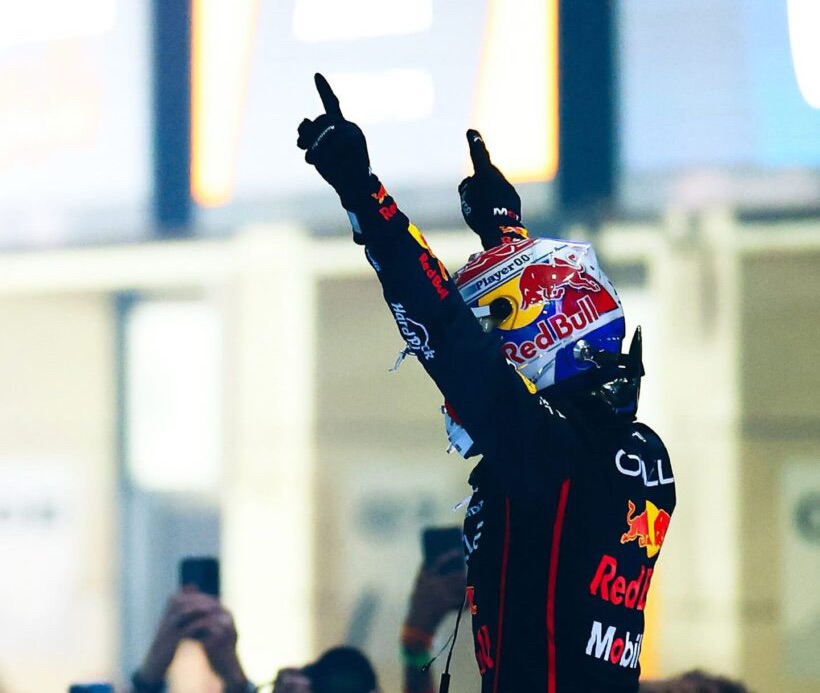
The 2025 Qatar Grand Prix delivered one of the season’s most dramatic and potentially decisive showdowns — and it was Max Verstappen who emerged triumphant, thanks largely to a strategic masterstroke by his team and crucial miscalculations from McLaren. What began as a weekend dominated by McLaren ended in a surprising, high-stakes win that now pushes this year’s World Championship fight to a thrilling finale.
McLaren’s Weekend: Sprint Win, Pole — But Not the Finish
Heading into the Grand Prix on Sunday, McLaren looked all but certain to dominate. Their driver Oscar Piastri had secured pole position for the main race, having already converted sprint-pole into a sprint-race win. In qualifying, he outpaced his teammate Lando Norris by a hair, claiming top spot on the grid and setting the stage for what many expected to be a smooth McLaren one-two.
At lights-out, Piastri got off the line well, maintaining his lead into Turn 1. Norris, on the other hand, once again delivered a sub-par start — a recurring problem this weekend. That opened the door for Verstappen, starting third, to pounce. He overtook Norris early and began tailing Piastri, setting himself up as McLaren’s biggest threat.
Given McLaren’s pace advantage, many assumed that their drivers would maintain control throughout the Grand Prix. But what unfolded in the first few laps — and the strategic choices that followed — would unravel those expectations.
Chaos, a Safety Car … and Strategic Gambles
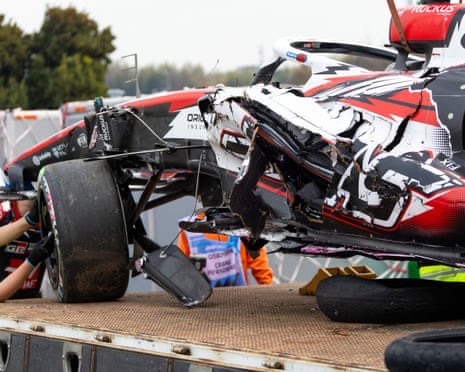
Just seven laps into the race, a crash involving Nico Hülkenberg and Pierre Gasly scattered debris across the track, forcing an early safety car. Because the tire supplier Pirelli had already mandated that the Qatar GP be a two-stop race, the safety car presented an unexpected opportunity for teams to diverge from their original strategy.
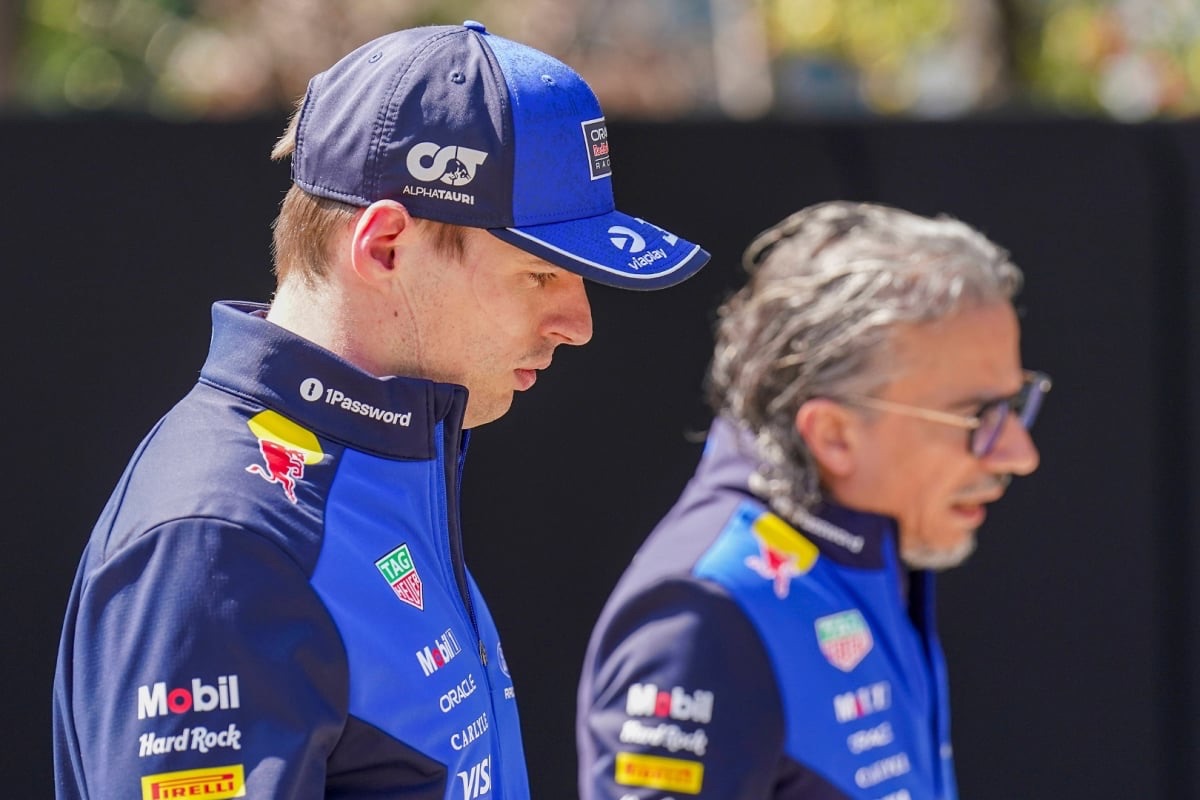
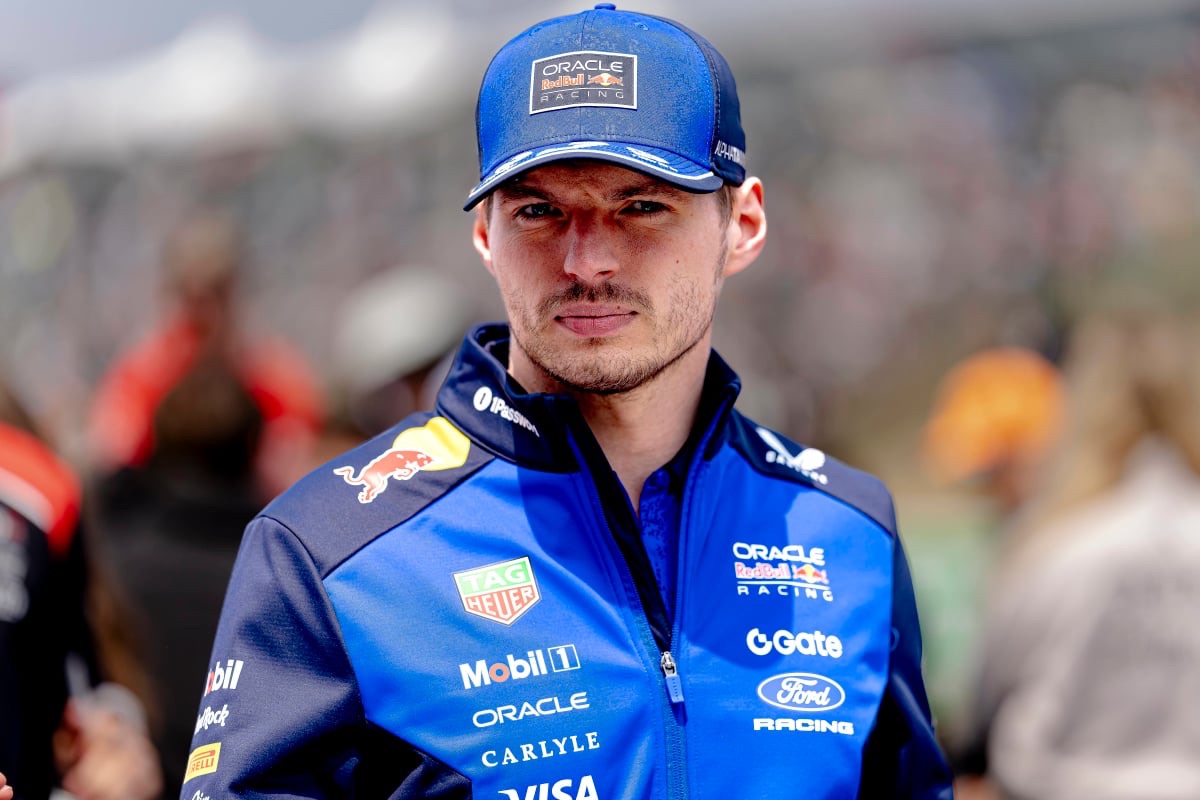
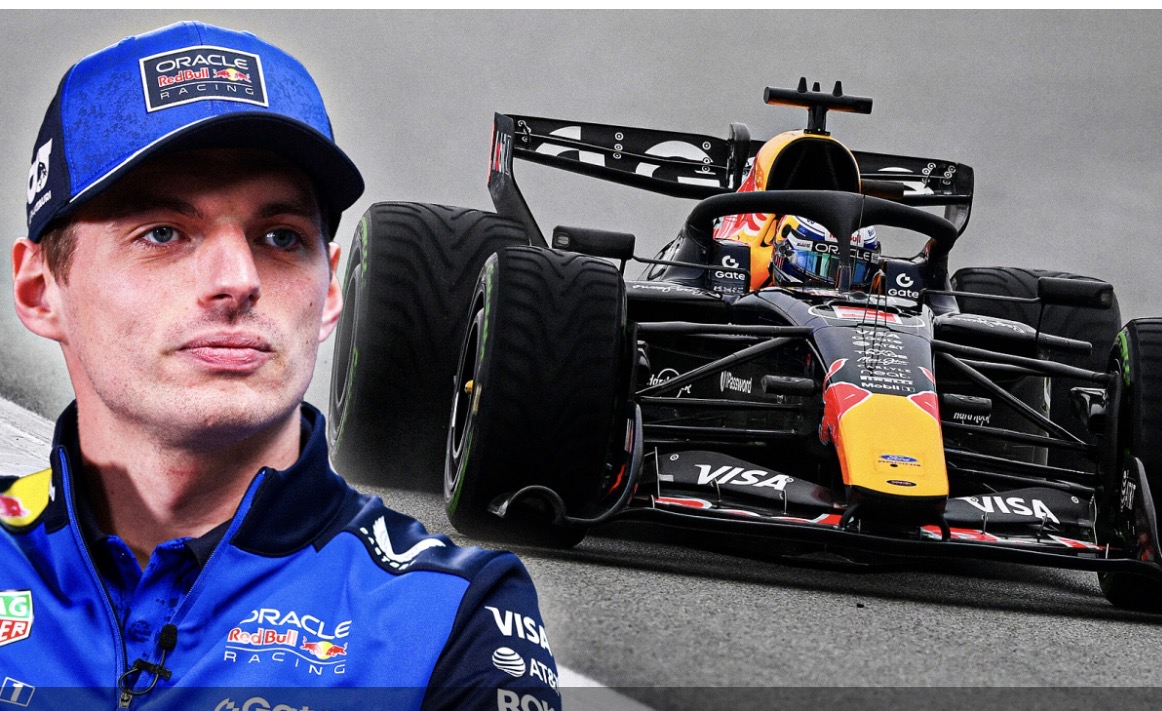
Seizing the moment, Verstappen’s team — Red Bull Racing — called him in almost immediately for fresh tyres. It was a bold gamble: pitting much earlier than planned, under conditions of uncertainty. McLaren, however, left both Piastri and Norris out on track, banking on track position and tyre management to carry them through. That decision would prove to be pivotal.
When McLaren finally made their first stop — only because Pirelli regulation forced it — both cars rejoined the race significantly behind Verstappen. Norris’s second stop later was especially slow, costing him nearly a second. By then, Verstappen had already built enough of a buffer that McLaren couldn’t overcome.
Verstappen’s Mastery — and McLaren’s Miscalculation
Once ahead, Verstappen managed his pace, tyres and rhythm expertly. Despite McLaren’s strong qualifying pace and sprint success, neither Piastri nor Norris could match Verstappen’s pace on fresh rubber. Piastri ended the race roughly eight seconds behind the champion, while Norris crossed the line in fourth, over 23 seconds adrift of Verstappen. Meanwhile, Carlos Sainz Jr. — driving for Williams — claimed a hard-earned third. A rookie from Mercedes, Kimi Antonelli, rounded out the top five, showing commendable performance amid the chaos.
What looked like a McLaren-dominated weekend turned into a strategic nightmare for them. Their decision not to pit during the safety car — intended to preserve track position — backfired spectacularly, giving Verstappen the upper hand. Even though their pit stops themselves weren’t disastrous (besides Norris’s slower second stop), the timing was too late to recover lost ground.
What This Means for the Championship
Verstappen’s victory wasn’t just another race win — it was a lifeline. With this result, the title battle is going down to the final round at Abu Dhabi Grand Prix. Piastri’s sprint success and strong form had raised hopes of a McLaren double-title or at least a smooth finish in Abu Dhabi. But because of this strategic blunder, McLaren now enters the finale under intense pressure.
For Verstappen, this win significantly boosts his title hopes. It hands momentum back to him and proves that even when he doesn’t have the fastest car over a weekend, smart strategy — combined with opportunism — can swing the pendulum. For McLaren and their drivers, it’s a bitter lesson in risk management. Their weekend looked bulletproof… until it wasn’t.
Broader Takeaways: Strategy, Tyres, and the New Reality of Racing
This race highlighted how crucial strategic decisions are — sometimes more important than outright speed. The mandated two-stop tyre rule in Qatar forced teams to rethink conventional strategies, especially when unexpected events like a safety car came into play. Teams that were nimble, ready to adapt, and able to gamble — like Red Bull — reaped the benefits. McLaren, despite their speed advantage, got caught out by a safe but ultimately flawed call.
It also underscores a broader shift in how races may be won in 2025: tyre life management, timing, and strategic boldness — rather than just raw pace. For fans and teams alike, it’s a reminder that the best-performing car isn’t always the one that crosses the line first.
Final Thoughts: Drama, Redemption — and a Title Race Renewed
In the end, the 2025 Qatar Grand Prix will be remembered not for who was fastest over a lap, but for who was smartest when it mattered. Max Verstappen took advantage of McLaren’s hesitation to claw back into the championship fight, setting up a final showdown in Abu Dhabi that promises to be as tense as any in recent years.
For McLaren — and particularly Piastri and Norris — this weekend will sting. They had it all: speed, pole, and momentum. But F1 isn’t won on paper. It’s won on track — and sometimes in the pits.