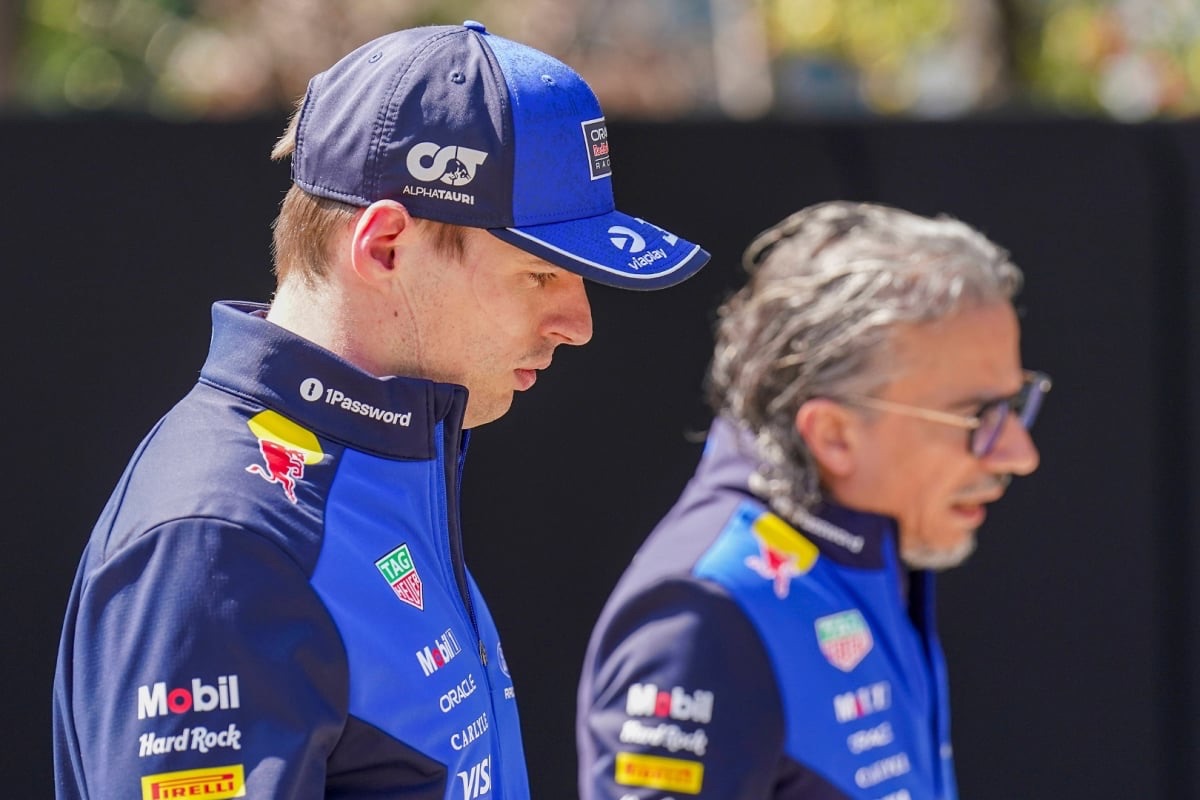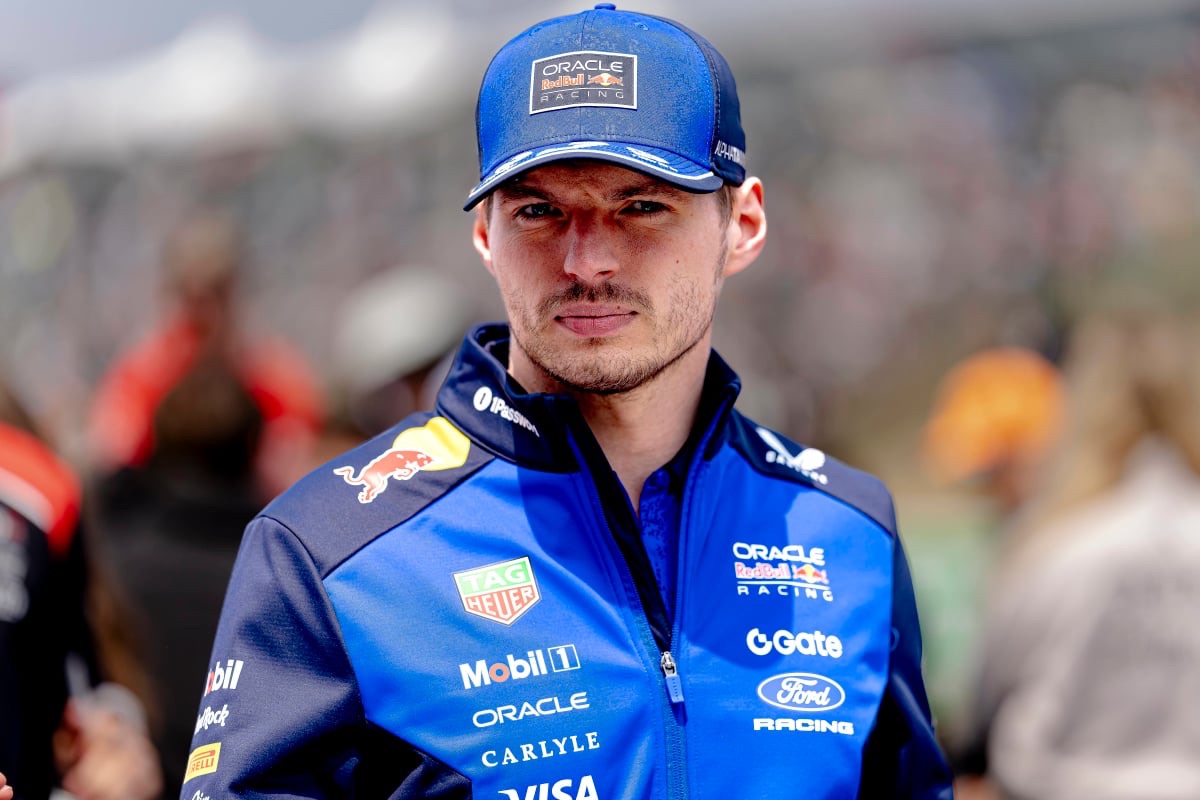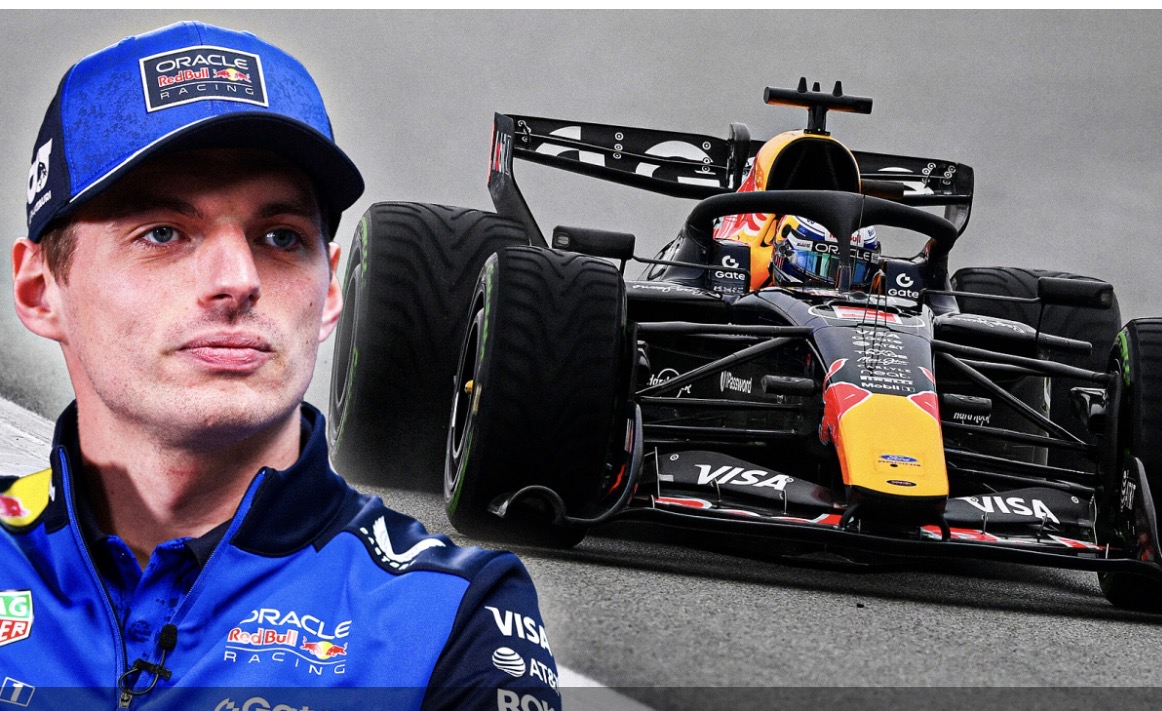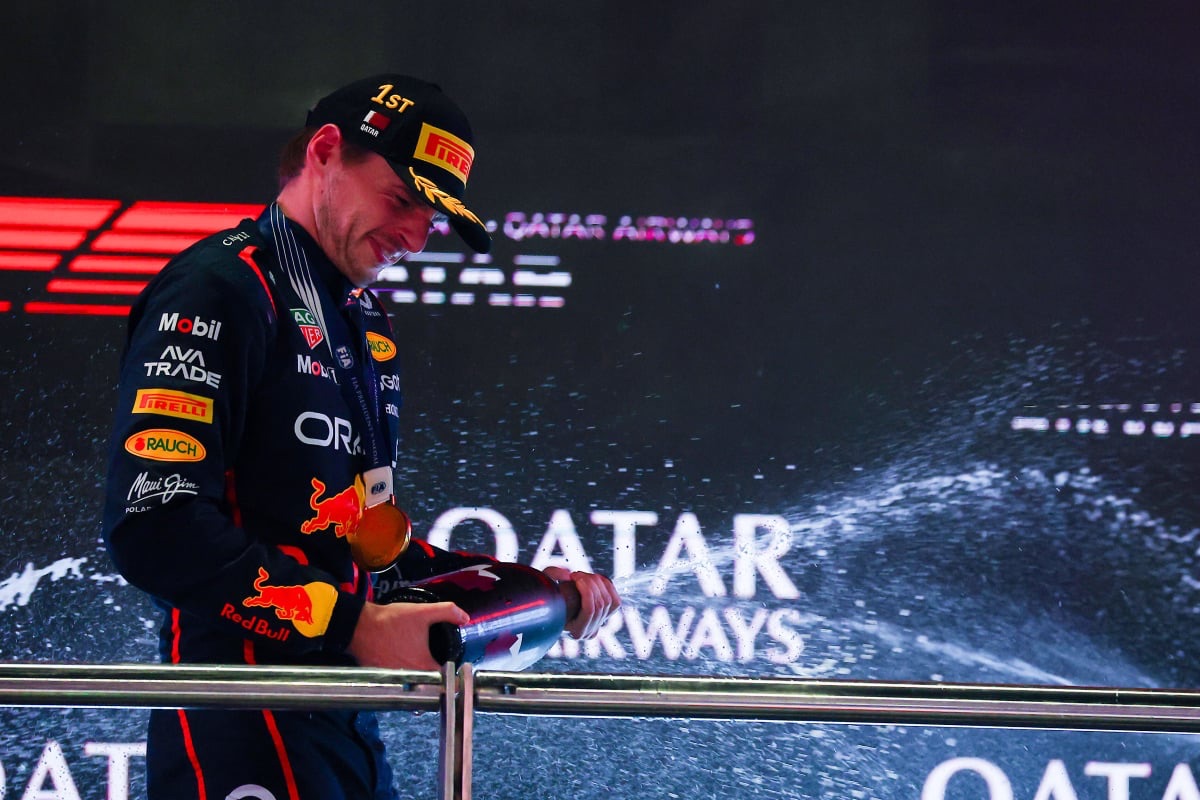
As the 2025 season-finale at the Abu Dhabi Grand Prix drew near, the qualifying session proved to be decisive. The headline? Max Verstappen claimed an emphatic pole position — an important statement as the championship fight escalates to its final showdown.
Dominant Pole for Verstappen
Verstappen was unsurpassed in Q3. He consistently delivered the fastest times in the sector-by-sector battle (“purple” times for fastest in a sector), which allowed him to cross the line first with a lap of 1:22.207. That performance not only earned him the top spot on the grid but also provided him with crucial momentum heading into race day.
Behind him, the two drivers from McLaren — Lando Norris and Oscar Piastri — secured second and third place respectively. Norris was only 0.201 seconds slower than Verstappen, while Piastri trailed by 0.230 seconds.
Other Notable Qualifying Performances
George Russell (Mercedes) began the session as though he might challenge for pole — at some point, he looked capable of threatening the lead. In the end, though, he settled for P4. In fifth place came Charles Leclerc (Ferrari), followed by Fernando Alonso (Aston Martin) in sixth. Further down, there were a few surprises: Gabriel Bortoleto (Kick Sauber) claimed seventh, and Esteban Ocon (Haas) grabbed P8. Ninth went to Isack Hadjar (Racing Bulls), while Yuki Tsunoda (Red Bull) — in what will be his final qualifying session for the team — made it into Q3 but did not record a final-time lap.
Disappointment and Drama — the Lower End of the Grid
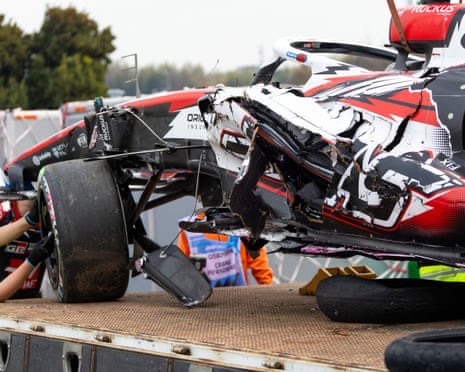
Not every driver had a day to remember. In a quite dramatic turn of events, Lewis Hamilton (Ferrari) failed to get beyond Q1, continuing a difficult qualifying season. This came after a crash earlier in FP3 at the high-speed Turn 9, which clearly compromised his capacity to push in qualifying. Over the radio, Hamilton was heard apologizing to his team after he realized he wouldn’t make Q2: “Every time, mate. I’m so sorry.”
Along with Hamilton, a number of other drivers were eliminated in Q1 or Q2, including members of teams like Alpine and Kick Sauber, reflecting how unforgiving qualifying can be at the end of what was already a challenging season for some.
How Qualifying Works — A Quick Recap
The qualifying format for the event followed the standard three-phase system: Q1, Q2, then Q3.
In Q1, all entrants attempt to post times; by the end of this segment the slowest five drivers are eliminated and can’t advance further. In Q2, the remaining drivers go for another push; again, the five slowest drivers are knocked out, leaving ten competitors to fight for grid positions in Q3. Finally, in Q3, those top ten face off for the front grid slots — and it was in this last session that Verstappen truly shone.
What This Means for the Championship Fight
With this qualifying outcome, certain storylines become more urgent. As noted by several outlets, Verstappen’s ability to produce a perfect pole — especially aided by a tow from Tsunoda — positions him well, and might influence the championship battle.
On the other hand, though Norris and Piastri are starting behind him, their McLaren cars remain formidable. Because Norris continues to lead the drivers’ standings, both he and Piastri will still aim to finish as high as possible — even with Verstappen bolting off from P1.
The result also ratchets up pressure on drivers like Russell, Leclerc and Alonso, each of whom qualified strongly but will face a challenging race — especially if strategies or weather conditions come into play.
As for Hamilton — this qualifies as another difficult qualifying showing. Given the bad luck and mistakes earlier this weekend, his prospects for Sunday look difficult. But in the unpredictable world of racing, anything can still happen.