As the 2025 season heads into its climactic finale at the Abu Dhabi Grand Prix, the Friday second practice session (FP2) delivered drama both on the timing sheets and over the radio — particularly between title contenders Lando Norris and Max Verstappen.

Norris dominates FP2 — but sparks a near-miss with Verstappen
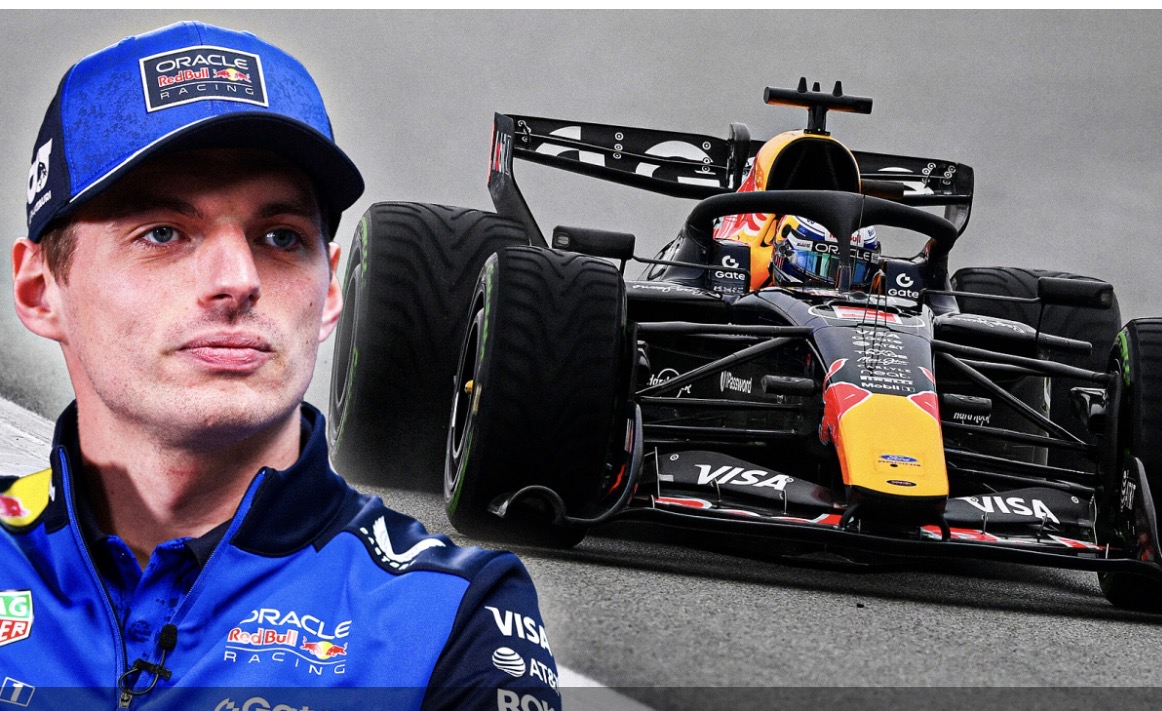
In the twilight session at the Yas Marina Circuit, Lando Norris set the fastest lap: a 1:23.083 on Pirelli’s soft tyres, giving him a comfortable cushion of 0.363 seconds over Verstappen.
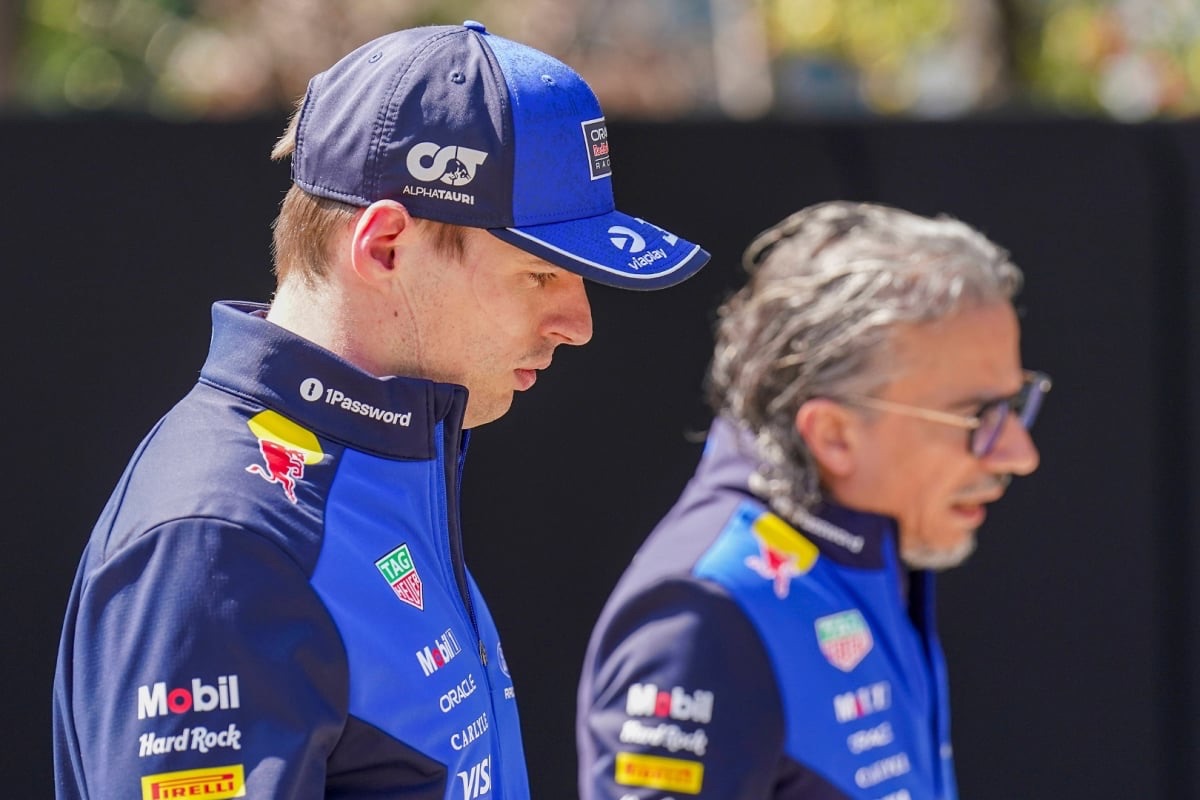
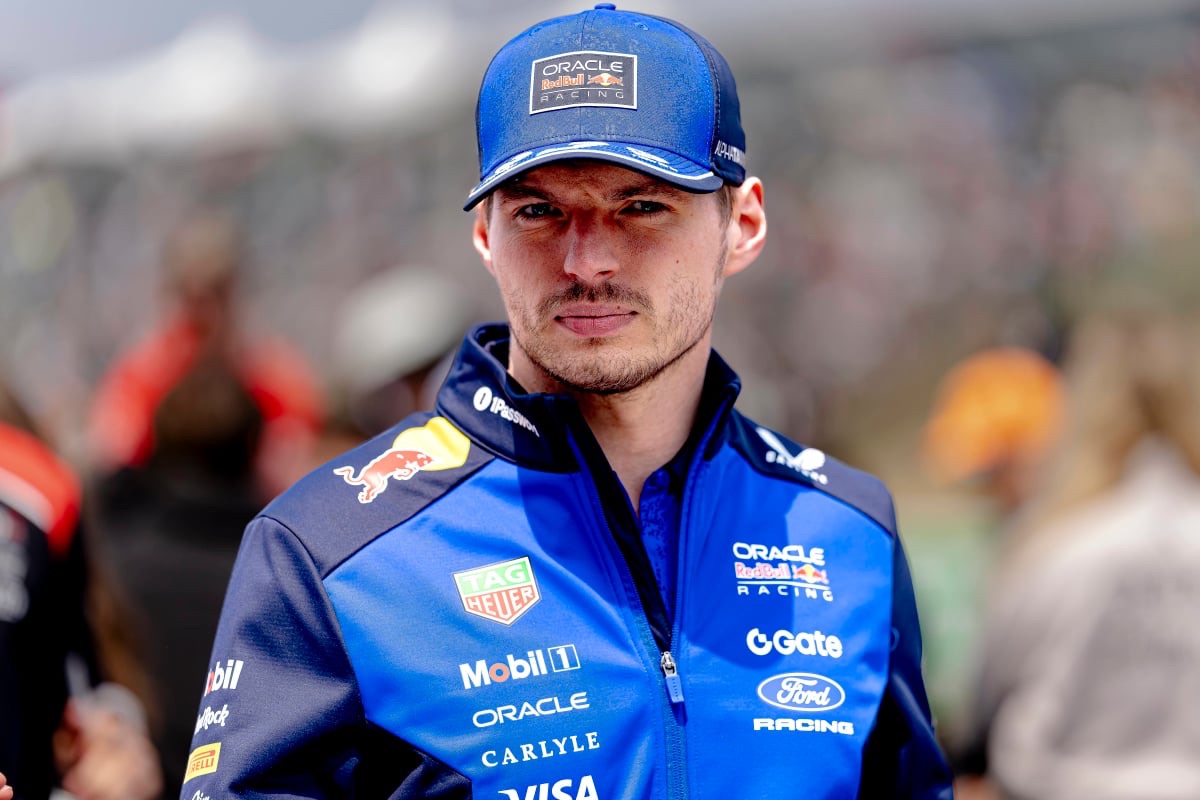
That was only part of the story. Earlier, during the session’s early phase, Verstappen had slowed after finishing a timed lap, believing — per his race engineer Gianpiero Lambiase — that Norris was not on a “push lap” behind him. But shortly after, Lambiase corrected himself, saying that Norris was fast approaching.
Caught off guard, Verstappen edged his car to the left as he exited Turn 1 in a bid to avoid a collision. Norris, however, was unimpressed by that reaction. Over team radio, he lashed out: “What’s this guy doing? Almost crashed.”
The incident was flagged by Race Control — but thankfully, no further action was taken, and no penalties were handed out.
So while Norris enjoyed the speed advantage in FP2, there was underlying tension: this wasn’t just about lap times — it was about making space, reading traffic, and asserting dominance in a season-deciding weekend.
FP2 results: times and context
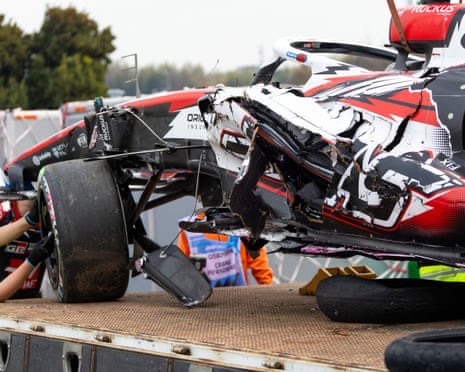
Norris set the fastest lap: 1:23.083 (soft tyres) Verstappen was second — 0.363s behind. George Russell (Mercedes) slotted in third, 0.379s off the top. In the other car at Norris’s team, Oscar Piastri finished only 11th in FP2. A heavy lock-up during what was likely his qualifying-run simulation severely compromised his lap time: he ended up 0.680 seconds slower than Norris.
Importantly, that Piastri result came after he had sat out FP1 — his car was driven by a rookie (as teams are required to include young driver participation at least once), meaning that FP2 was his first real run of the weekend.
Given that FP2 was conducted under conditions similar to qualifying (cooler track, sunset to night-time conditions, softer tyres in play), Norris ending top of the sheet gives him a strong velocity baseline ahead of qualifying and the race — not just a one-off lap figure.
Championship context: Stakes high, and every detail matters
Heading into the final race of the season, the margins in the battle for the world title are razor-thin. Norris leads Verstappen by 12 points after FP2 — with Piastri just 4 points further behind in third place.
Given how close everything stands, managing traffic, avoiding incidents, and maximizing pace are all critical — and Friday’s FP2 incident between Norris and Verstappen offers a concrete example of how even a “minor” track misread or near-miss can weigh heavily on the team psyche, especially under title pressure.
For Norris — setting the fastest time while also having to deal with the near-collision — underscores both his speed and the mental fortitude required in high-stakes moments. For Verstappen — trying to navigate traffic, making split-second decisions to avoid contact, and still ending second — it shows resilience and awareness, especially under pressure.
Meanwhile, Piastri’s struggle — a poor run after missing FP1 — puts him on the back foot, reducing his realistic chances of influencing the outcome or challenging for the title (unless both leading rivals slip up).
What it reveals about team dynamics and mindset
The FP2 session and its radio drama highlight more than just lap times: they reveal the mindset inside the garages. On one hand, Norris’s blunt frustration (“Almost crashed”) shows he’s not here just to set fast laps — he’s here to win, and he demands respect on track. That kind of attitude can signal strong determination just one day before qualifying and the decisive race.
On the other hand, Verstappen’s reaction — slowing when he believed Norris wasn’t pushing, then abruptly reacting when told otherwise — signals caution but also adaptability under uncertainty. That mix of risk-management and readiness is critical when a season title is on the line.
For Piastri and his team, the situation underscores the cost of even small mistakes. Missing FP1 — a routine but mandatory driver-rotation — might have been strategic compliance, but it carries consequences: less data, less acclimatisation, fewer laps to refine balance. Then a lock-up during FP2’s qualifying simulation compounds that disadvantage.
In short: this weekend’s title showdown will not just be won on pure pace — but also on reactions, decisions in traffic, tyre management, track awareness, and mental game. FP2 gave a first glimpse of how all these variables could play out.
What to watch next
Will the near-miss between Norris and Verstappen affect how they treat each other on track tomorrow (during Qualifying) and on Sunday (in the race)? Given how tight the margin is, even a small misstep could be costly. Can Piastri recover from a weak FP2 and deliver a strong qualifying — or better yet, a podium — to stay alive in the title fight? What tyre and set-up choices will teams make tonight, given that FP2’s conditions mirror the ones expected in Qualifying and the race? Norris’s comfort on soft tyres tonight might influence McLaren’s strategy. Lastly — will nerves or aggression define the weekend when it matters most? So far: speed and tension.