The Formula 1 debut of young French driver Isack Hadjar for the Red Bull team ended in disappointment after a mechanical failure forced him out of the race early during the Australian Grand Prix. The race had started promisingly for the rookie, who initially showed strong pace and appeared capable of competing near the front of the field before an unexpected engine issue abruptly ended his day.
Hadjar began the race weekend with considerable anticipation surrounding his debut. Starting from an impressive third position on the grid, he had already demonstrated that he possessed the speed required to compete with some of the top drivers in Formula 1. This strong starting position placed him among the leading contenders and suggested that he could potentially challenge the more experienced drivers ahead of him.
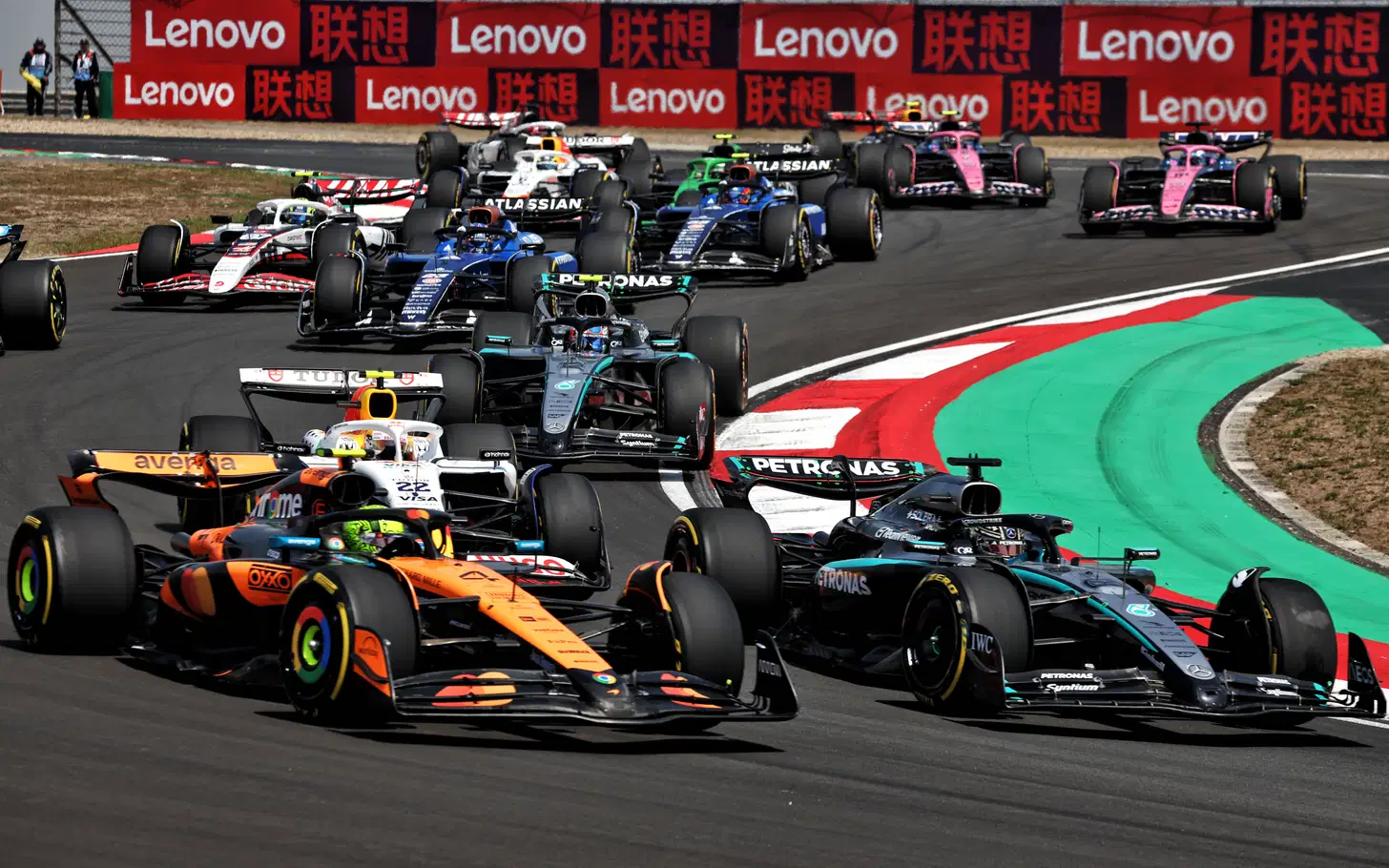
When the race began, Hadjar initially maintained a solid performance. As the opening laps unfolded, he settled into fifth place behind cars from Ferrari and Mercedes. Despite being surrounded by seasoned competitors, the rookie kept pace with the leading group and showed composure during the early stages of the race. His driving suggested that he was capable of maintaining pressure on the front runners while also managing the intense demands of a Formula 1 race.
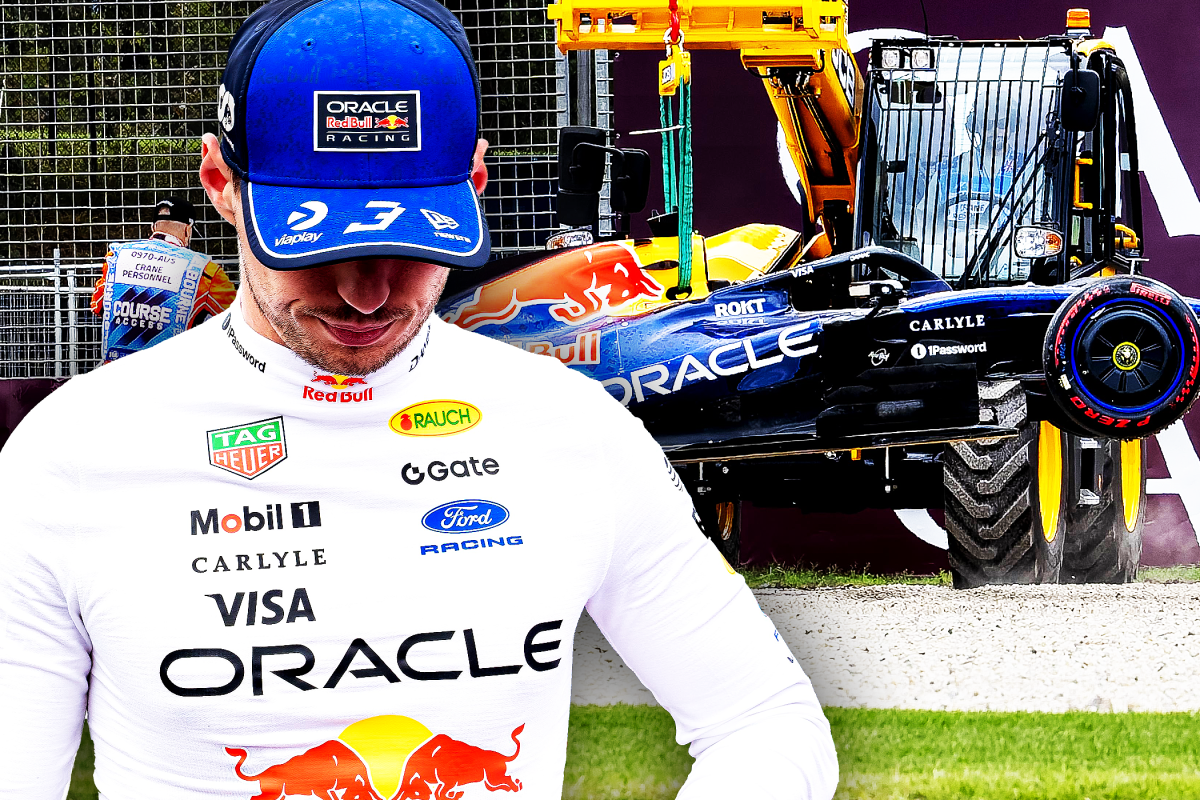
However, the situation changed dramatically on lap 11. Observers noticed smoke emerging from the rear of Hadjar’s Red Bull car, signaling that something had gone wrong with the power unit. The issue appeared to originate from the Red Bull Powertrains–Ford engine installed in the car. As the smoke became more visible, it became clear that the car was suffering from a significant mechanical problem.
With the engine malfunction worsening, Hadjar had no choice but to retire from the race. What had begun as a promising debut suddenly ended in frustration as the young driver was forced to abandon the race earlier than expected. The retirement not only ended his chances of scoring points but also prevented him from fully demonstrating his potential in what had already been an encouraging start to the race.
The mechanical failure had wider implications for the race as well. Because of the incident, race officials introduced a virtual safety car period. This temporary measure slowed the pace of the race and allowed marshals to safely manage the situation on track. During this period, several teams used the opportunity to bring their drivers into the pits for tire changes, altering the strategic flow of the race.
For Hadjar, the outcome was particularly painful because of how well the race had begun. Starting from the second row of the grid in such a competitive field had already been an achievement. It indicated that the rookie had adapted quickly to the demands of Formula 1 and could potentially deliver strong performances if given the chance to finish races without mechanical problems.
The disappointment also highlighted the unpredictable nature of Formula 1. Even when a driver performs well and positions themselves competitively, technical failures can abruptly ruin a race. In Hadjar’s case, the problem had nothing to do with driving errors or race strategy but instead stemmed from an unexpected issue with the car’s power unit. Situations like this are common in motorsport, where reliability is just as important as speed.
Despite the unfortunate outcome, Hadjar’s early performance during the race offered a glimpse of his potential as a driver. Keeping close to leading teams such as Ferrari and Mercedes during the opening laps showed that he was capable of operating at a high level. For a rookie competing in his first race with a top team, maintaining that pace suggested strong racecraft and confidence behind the wheel.
Hadjar’s journey to Formula 1 had already been impressive before this debut. The French driver had built a reputation through strong performances in junior categories, eventually becoming part of the Red Bull development system. His promotion to Formula 1 represented the culmination of years of progress through the ranks of motorsport, including success in Formula 2 where he finished as a runner-up in the championship.
Given that background, expectations surrounding his debut were naturally high. Red Bull has a history of promoting young drivers and placing them under intense scrutiny, and Hadjar’s strong qualifying performance only added to the anticipation. The early laps of the race appeared to confirm that he could compete at the front, making the sudden mechanical failure even more disappointing.
While the race ended prematurely for Hadjar, the experience will likely serve as an important learning moment. Formula 1 seasons are long and unpredictable, and a single retirement does not define a driver’s career. Many successful drivers have faced similar setbacks early in their careers before going on to achieve significant results.
For the team as well, the incident underscores the importance of reliability, especially when fielding a competitive car capable of running near the front. Engineers will likely analyze the cause of the engine failure in detail to prevent similar issues in future races. Ensuring the durability of the power unit is essential for maximizing performance throughout the season.
Ultimately, Hadjar’s debut combined both promise and heartbreak. On one hand, he demonstrated that he has the speed and composure required to compete among Formula 1’s elite drivers. On the other hand, circumstances beyond his control prevented him from converting that potential into a strong result.
Although the race ended far earlier than he would have hoped, the glimpses of pace he showed suggest that he could still play a significant role in upcoming races. If reliability improves and he continues to adapt to the demands of Formula 1, there is every chance that Hadjar will have future opportunities to prove himself and achieve the results that seemed possible during the opening laps of his debut race.