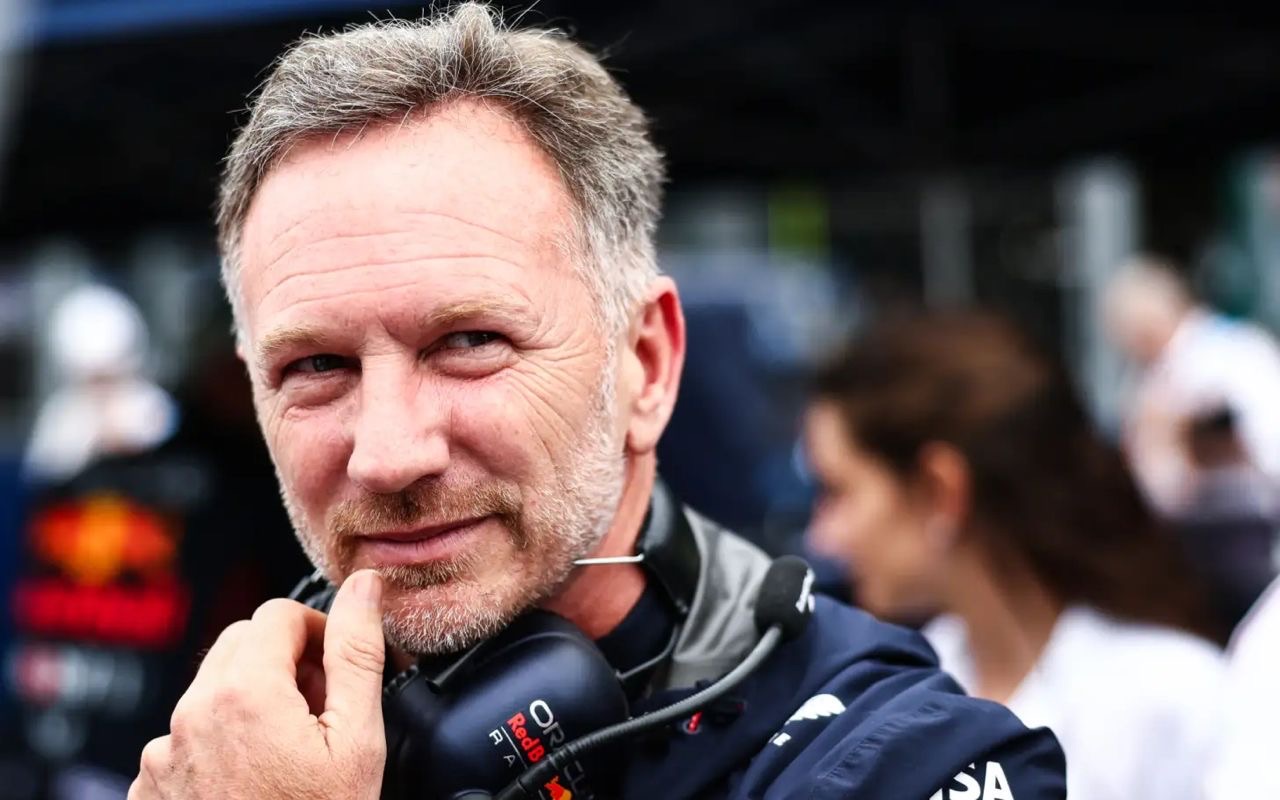
Christian Horner — the long-time and once extraordinarily successful team principal of Red Bull Racing — has been at the centre of some of the most dramatic and unexpected headlines in Formula 1 in recent months, largely because of ongoing talk that he might make a shock return to the sport next year. His potential comeback has become one of the hottest topics in global motorsport, with rumours linking him to several top teams and even possible ownership opportunities, all of which would mark an astonishing turnaround for one of F1’s most polarizing figures.
To understand how this story has unfolded, it helps to go back to mid-2025. Horner had been the team principal of Red Bull Racing since 2005, a period in which the team won numerous drivers’ and constructors’ titles, making it one of the most successful outfits in the sport’s history. However, after a difficult run of results and a series of internal controversies, Red Bull made a stunning decision in July 2025 to relieve Horner of his duties as both team principal and CEO. He was replaced by Laurent Mekies, who had been leading the team’s junior operation.
The news sent shockwaves through the paddock. After two decades at the top level, Horner’s dismissal was not just operational but symbolic: it indicated a major shake-up inside one of F1’s biggest teams. Red Bull praised his contributions to the team’s rise but said that they believed a new direction was necessary.
Following his departure, Horner entered a period of what’s known in motorsport as gardening leave, meaning he was contractually barred from joining another team immediately. Over the next few months, contract and settlement negotiations continued between him and Red Bull, with reports emerging that he agreed a payout (variously reported around £75 million to £100 million) to speed up his release and allow him more freedom to return to the sport sooner than his original contract would have permitted.
Almost immediately after his exit, speculation began to swirl around where — or if — Horner might return. Headlines internationally suggested that multiple teams were considering him for a senior leadership role or even a complete turnaround as part of their long-term plans. Among the earliest reports were rumours that Ferrari had made contacts, attracted by his track record and strategic acumen, though a new contract for Ferrari’s current principal seemed to dampen that possibility.
Another popular theory emerged around Aston Martin — a team that has struggled to consistently challenge at the front of the grid and has been seeking stable leadership. Rumours suggested that Horner might join them in a leadership capacity, possibly even as CEO. Some outlets described secret meetings and exploratory talks, though team figures later publicly denied official plans to bring him in, saying there was no current opportunity for Horner to join in either a managerial or investment role.
Perhaps the strongest and most discussed linkage, however, has been with the Alpine F1 Team. According to several motorsport media reports, Horner has been in discussions that could see him take a significant ownership stake in Alpine, potentially giving him a truly influential position rather than just another hired executive job. That would represent a dramatic shift from his time at Red Bull, where despite 20 years of leadership and championship success, he never held an ownership share. Some of the strategic interest in Alpine comes from its existing ownership structure and the fact that the team has been looking for stability and fresh direction.
This rumoured Alpine move isn’t simple or straightforward, though. Reports indicate that share sale restrictions and timing issues mean Horner might not be able to complete any takeover until late 2026 — potentially delaying an on-track return even further. It’s also been suggested that his return might depend on finding a partner or investor willing to help him get the kind of control he’s said to be seeking, something akin to what Toto Wolff has at Mercedes, where he combines team leadership with a sizeable ownership share.
Other teams have also popped up in the conversation. Cadillac, a new entrant set to join F1, was reportedly approached about a potential Horner role earlier in the speculation phase, though it later confirmed there would be no partnership. Haas and Williams were also mentioned as teams Horner might contact as he “rang around” the paddock, but neither seem close to making a move.
Beyond team-specific discussions, some veteran figures in the sport have weighed in on how, or even whether, Horner will return. Former F1 boss Bernie Ecclestone suggested that unless Horner can secure some sort of ownership role, he may be less inclined to come back — arguing that the former Red Bull chief wants control and influence rather than simply another job title.
At the same time, the sport itself continues to evolve with the introduction of new technical rules and a shifting competitive landscape. Teams are reshaping their structures in advance of the 2026 season, and some observers have speculated that this could open up opportunities for an experienced figure like Horner to make a meaningful impact — especially if he can secure a position that offers both leadership and strategic influence.
Despite all the chatter and speculation, there’s one other twist: Christian Horner has also been keeping busy off the track. He’s recently announced a speaking tour, where he plans to share stories from his long career in Formula 1. While not directly tied to motorsport management, it keeps him in the public eye and suggests he’s not ruling out various future paths.
So, as it stands today, the idea of a “shock” return to Formula 1 for Christian Horner isn’t simply gossip — it’s a real possibility being discussed by insiders, reported by major motorsport outlets, and tied to a number of evolving business negotiations and team strategies. Whether that comes via Alpine, Aston Martin, or another unexpected corner of the F1 world remains uncertain, but the situation continues to draw attention because of how much influence Horner has had in shaping the sport over the last two decades — and how dramatically his career path has shifted since mid-2025.