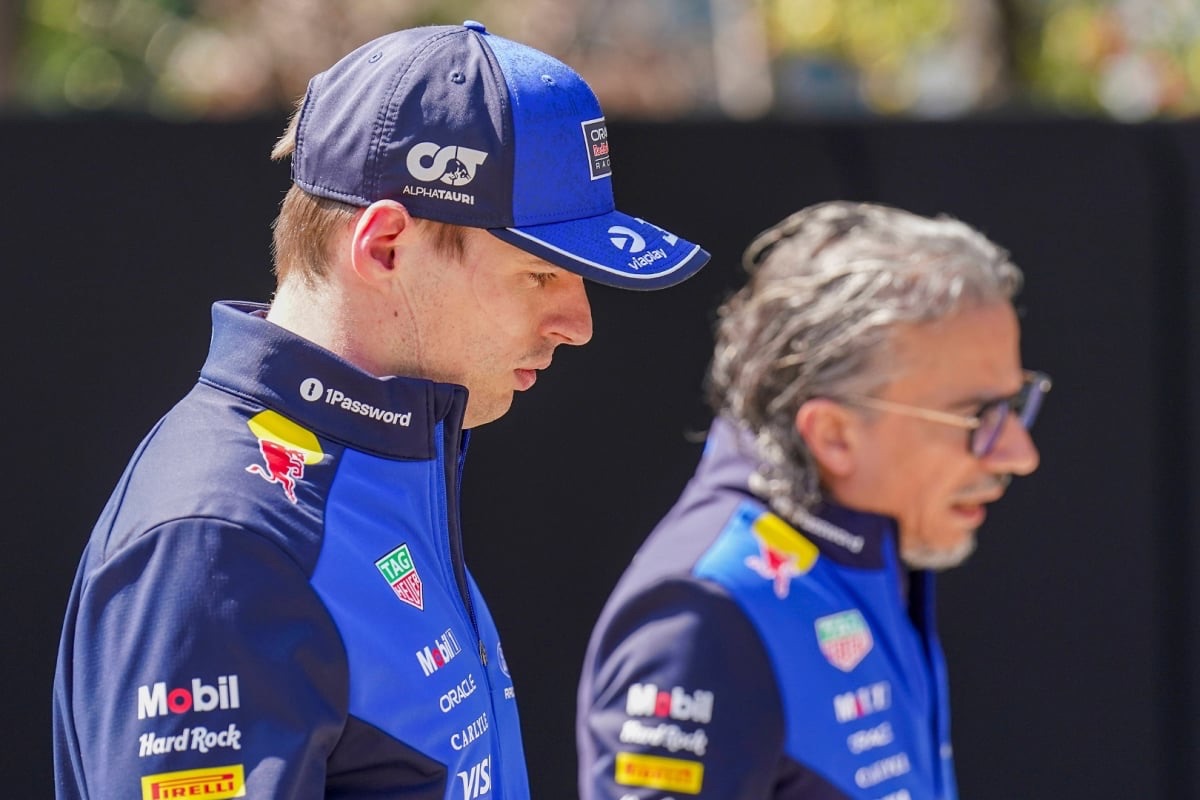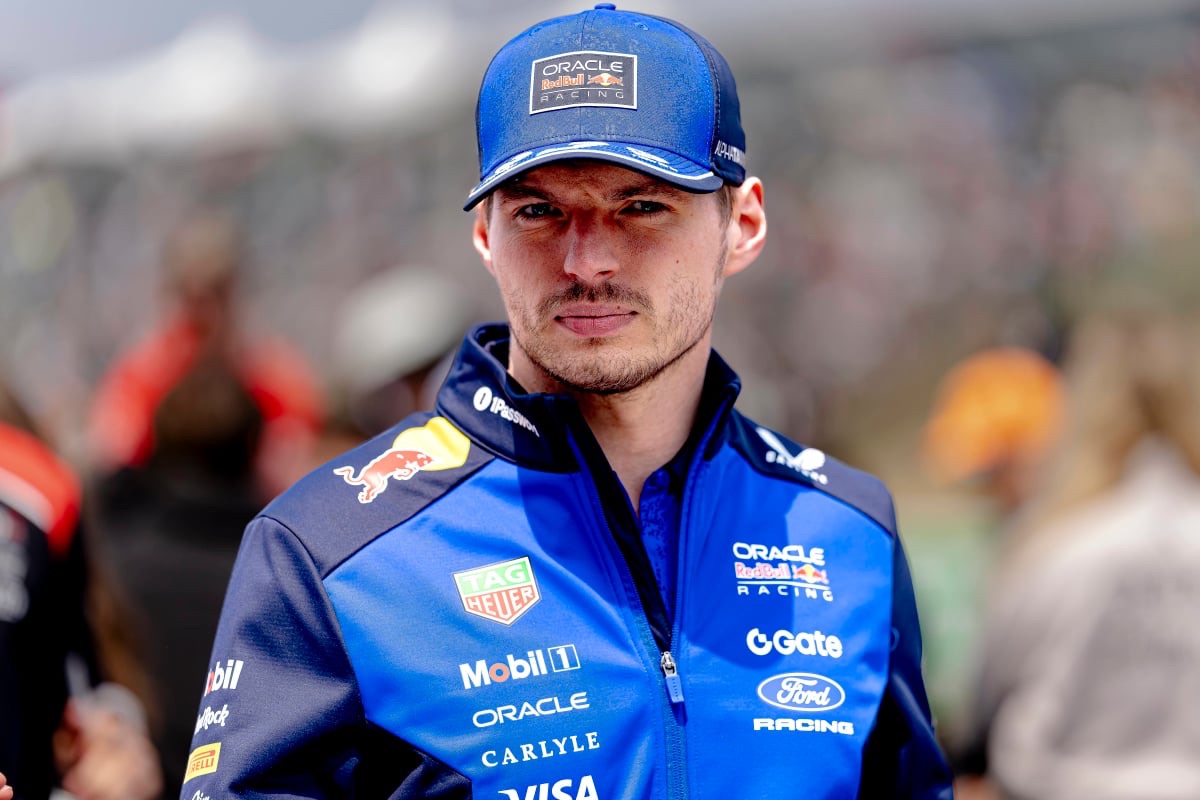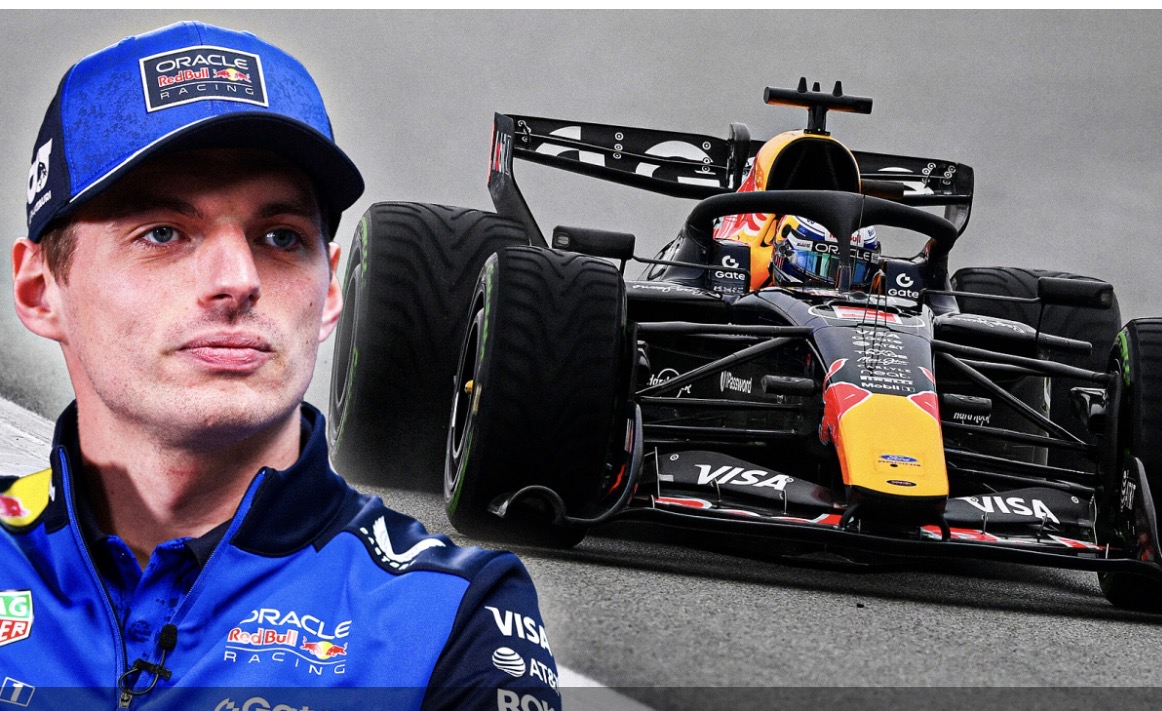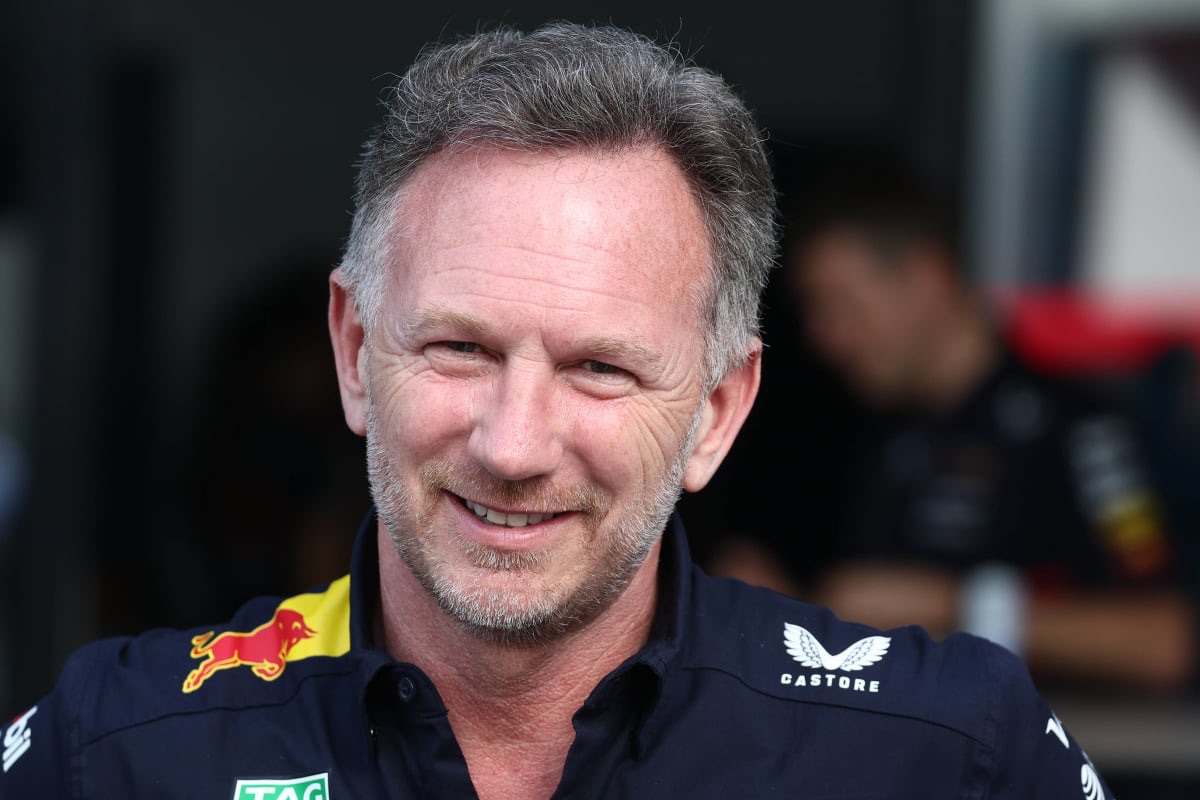
As the season approaches its finale at the Abu Dhabi Grand Prix, a plot hatched months ago by Christian Horner is looking increasingly like a masterstroke. A clip resurfaced by Sky Sports F1 showed pundit Ted Kravitz recounting Horner’s “cunning plan” — a strategy to edge the championship away from McLaren and into the hands of Max Verstappen. Week by week, that plan has begun to look prescient.
Mid‐season, it looked like McLaren’s young stars — Oscar Piastri and Lando Norris — were all but set to demolish the rest of the field and race comfortably to the drivers’ championship. But then Verstappen returned from the back of the pack with intense momentum. After the Dutch Grand Prix at the end of August, he trailed Piastri by a staggering 104 points. Yet, over the next eight races, Verstappen reeled off five wins — re-establishing himself as a legitimate contender for the title and closing the gap significantly, coming into Abu Dhabi with championship hope within reach.
But what really stands out is just how deliberate Horner’s approach was. According to Kravitz, Horner — well before the start of the Spanish Grand Prix — had outlined a clear plan: keep Verstappen close enough to Piastri and Norris without risking everything too early. The idea was to let the two McLaren drivers face their first true title battle — a test of nerves under pressure. The gamble hinged on the belief that while Verstappen had been through battles before — including championship duels — Piastri and Norris had not. The seasoned Red Bull driver would therefore be better equipped mentally when things got “tasty.”
At that moment, Piastri reportedly responded with a confident smirk: “Okay, let’s see how it works out.” But as events have unfolded — particularly following a costly strategic error by McLaren in Qatar — that confidence has started to look misplaced.
What’s striking is that this blueprint for a comeback was drawn up long before Verstappen had returned to form. Horner’s foresight relied not just on believing in Verstappen’s abilities, but also on understanding human psychology — to anticipate that youngsters like Piastri and Norris might crack under high-stakes pressure. Even though Horner is no longer officially employed by Red Bull Racing, his long-term influence on the team appears to remain strong.
This entire strategy underlines a broader truth about championship racing: raw speed and race wins are important — perhaps essential — but so is composure. A veteran like Verstappen, guided by someone like Horner who understands the highs and lows of a full season, can turn adversity into advantage, especially when others are under stress. McLaren, once cruising toward their first title in years, now risk collapse under the weight of expectations.
In short: Horner’s “cunning plan” was never about dominating the season from start to finish. Instead, it was a slow-build strategy — keeping Verstappen close enough to be a threat, then betting that in the pressure-cooker final races, the more experienced campaigner would shine while the relative rookies fold. And as of now, that gamble seems to be paying off.