Max Verstappen Voices Concern Over Red Bull’s Rapid Driver Change
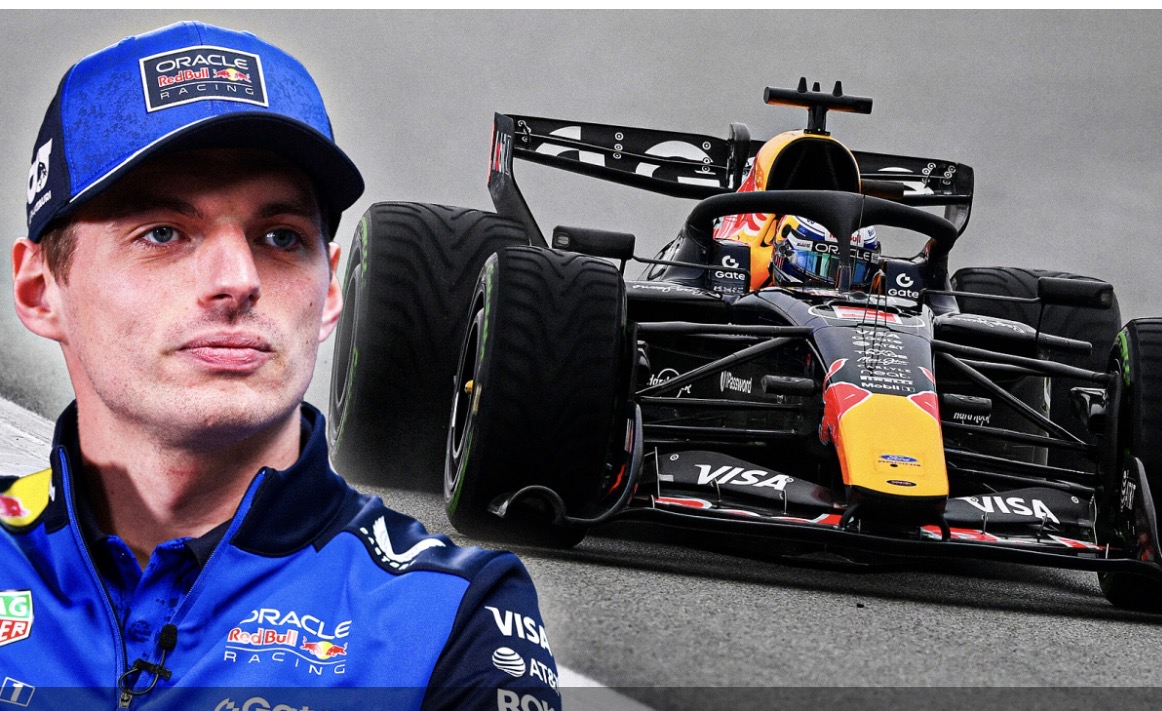
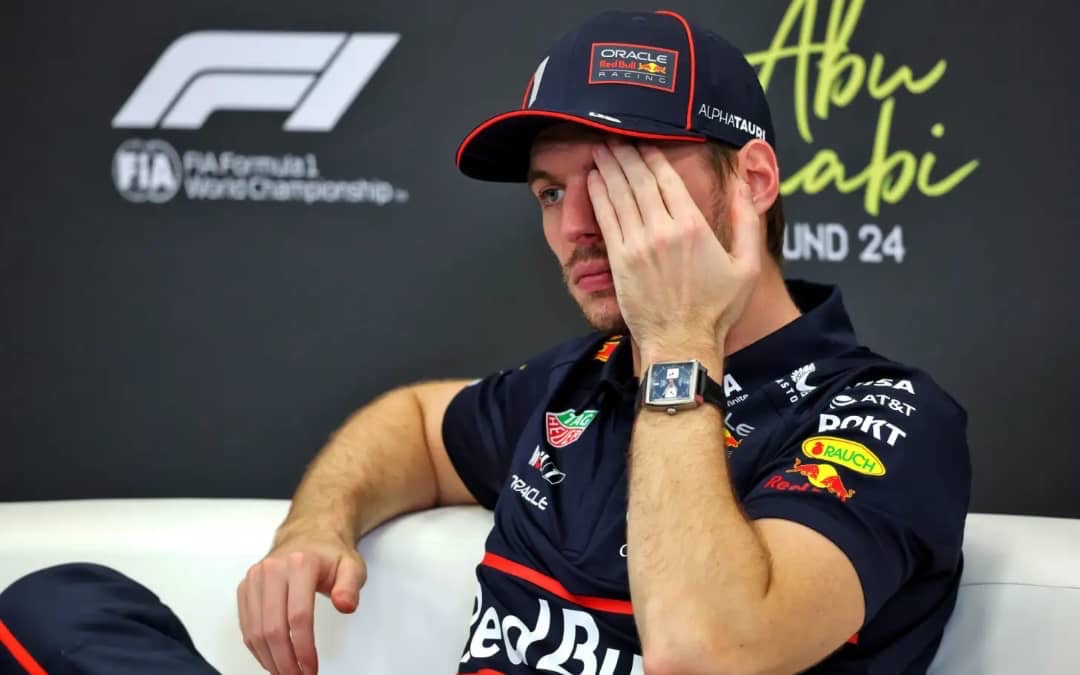
In a significant development from the 2025 Formula One season, reigning world champion Max Verstappen has openly expressed his discomfort with Red Bull Racing’s swift decision to remove rookie driver Liam Lawson from the team after only two races. Verstappen’s comments highlight tensions behind the scenes at one of the sport’s most successful teams and have stirred debate among fans, pundits, and industry insiders.
At the heart of this controversy was Red Bull’s choice to reverse its driver lineup shortly after the start of the 2025 campaign. Lawson, a promising young talent from New Zealand who had just been promoted to Red Bull’s main squad to partner Verstappen, was replaced after failing to score points in his first two outings. The decision saw Yuki Tsunoda – formerly a main-team driver within the Red Bull pyramid – reinstated into the senior seat for the Japanese Grand Prix and beyond.
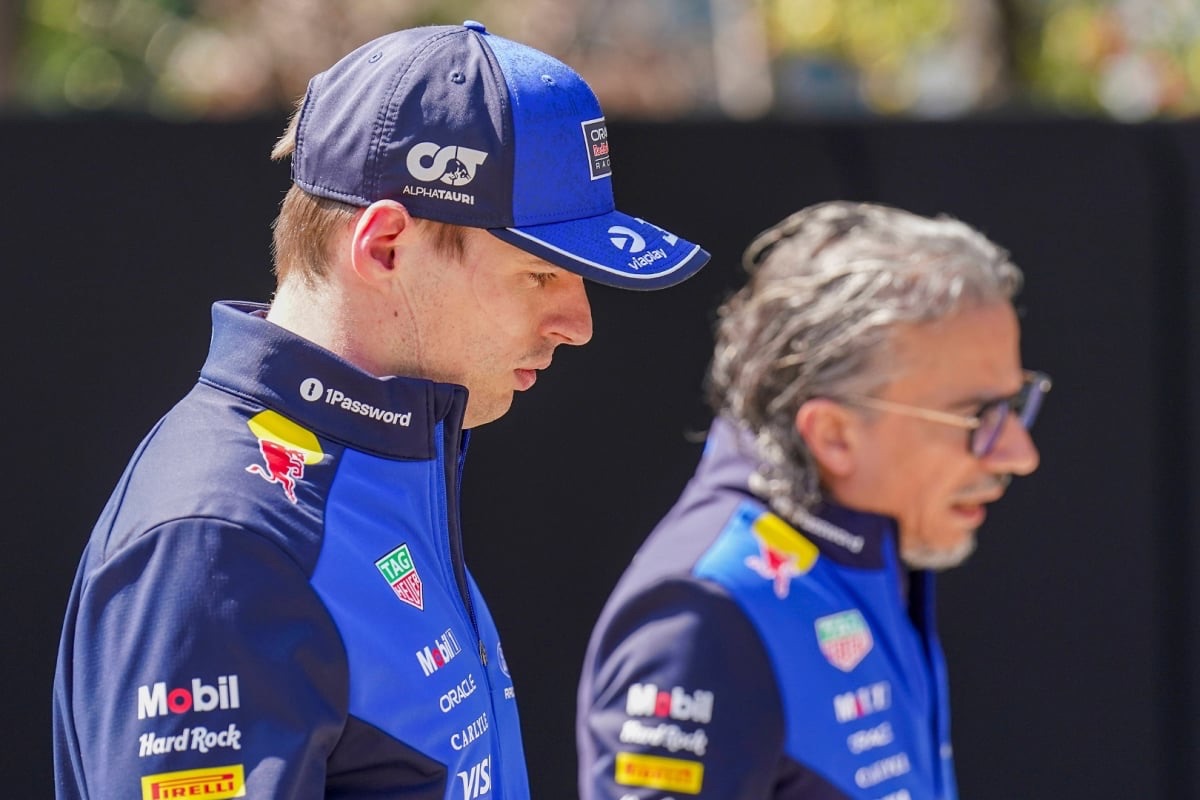
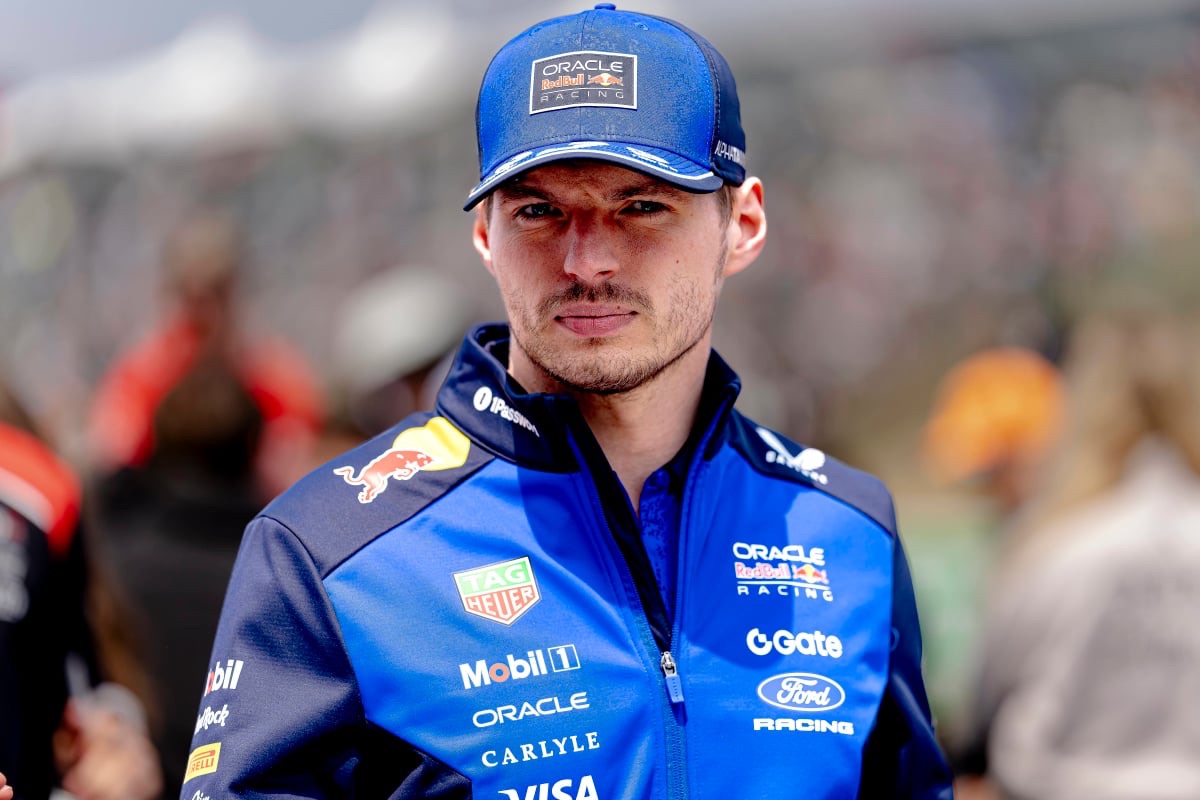
Verstappen, a four-time world champion known for both his speed and candor, did not hold back when reflecting on this switch during a post-season interview with Viaplay. While he did not launch an all-out public attack on Red Bull’s leadership, his remarks made it clear that he believed the decision was made too hastily and without sufficient opportunity for Lawson to demonstrate his capabilities at the highest level of the sport.
In Verstappen’s view, offering Lawson just two races before removing him from the seat was unfair and counterproductive. He emphasized that performing in Formula One, especially at a top team such as Red Bull, involves intense pressure and expectation, and young drivers often require more time to adjust. “Giving someone just two races is not right,” Verstappen said, suggesting that such a short evaluation period can stunt a young driver’s growth and outright damage their confidence.
The Impact on Lawson and the Broader Team
The episode of Lawson’s demotion proved dramatic. Initially, Lawson’s promotion was seen as a big break – a shot at proving himself as a future star alongside martial ace Verstappen. But his lack of immediate results prompted Red Bull’s management, led by team principal Christian Horner and advisor Helmut Marko, to act quickly. Marko later defended the choice, arguing it was necessary for the team’s overall championship chances and to reinforce strategic strength by reinstating an experienced driver like Tsunoda.
Yet, Verstappen’s comments suggest a view that goes beyond pure results. By highlighting the mental strain and psychological impact such a move can have, he underscored how crucial stability and confidence are for driver performance – especially in a sport where minute differences can have major outcomes. Lawson’s situation became emblematic of how rapidly decisions can shift in the hyper-competitive world of Formula One, particularly at a squad accustomed to winning.
Remarkably, after returning to Racing Bulls (Red Bull’s junior team), Lawson appeared to regain his footing. There, free from the crushing spotlight of the main team, he delivered several notable performances, including a fifth-place finish at the Azerbaijan Grand Prix in Baku. That result was strong enough to outscore his successor, Tsunoda, by a margin of five points in the drivers’ standings, suggesting that Lawson may have simply needed the right environment to rediscover his rhythm.
As the season drew to a close, Red Bull made further changes: Isack Hadjar is set to fill the main team seat for the 2026 season, with Lawson continuing his role at Racing Bulls alongside fellow young prospect Arvid Lindblad. Meanwhile, Tsunoda has taken on a test and reserve driver role. This carousel of driver movement has kept the F1 paddock buzzing and added fuel to discussions about Red Bull’s long-term strategy for developing talent.
Verstappen’s Role and Team Dynamics
Verstappen’s stance is significant for several reasons. As Red Bull’s lead driver, his opinions carry weight both inside the team and across the broader Formula One community. While he acknowledged that he had communicated his thoughts internally within the Red Bull camp, he stopped short of airing all grievances publicly – a diplomatic choice that suggests concern for team unity even as he expressed clear disappointment.
His reaction drew attention not only through direct comments but also via subtle cues on social media. For example, Verstappen “liked” a post on Instagram from former F1 driver Giedo van der Garde, which criticized Red Bull’s move and described it as a “panic” decision. While Verstappen did not offer a blow-by-blow critique in interviews, this action was widely interpreted as signaling his personal reservations about the way the swap was executed.
Yet, despite the clear frustration, Verstappen also called for focus on broader and arguably more pressing issues: the performance of Red Bull’s race car itself. In separate comments on the season, he reiterated that improving the car’s competitiveness remained his top priority, suggesting that internal disagreements should not overshadow the technical work needed to get the team back to the front of the grid.
Looking Ahead
This episode of driver movement and internal disagreement at Red Bull offers a window into the complexities of managing driver careers in Formula One. On one hand are the demands for immediate performance and championship success; on the other is the need to nurture emerging talent and maintain morale across the team. Verstappen’s measured public response reflects an understanding of both sides of that equation.
For fans and observers, it also raises questions about how far top teams should go in balancing short-term results with long-term driver development. Lawson’s subsequent resurgence at Racing Bulls arguably supports Verstappen’s broader point: that even highly talented drivers may thrive when given enough time to adapt and grow.
In the end, Red Bull’s bold decisions this season have done more than shuffle seats – they have reignited discussion about sportsmanship, strategy, and the human side of racing in one of the world’s most competitive sporting arenas. Verstappen’s input, at once critical and constructive, may play a role in how teams approach similar dilemmas in the future.