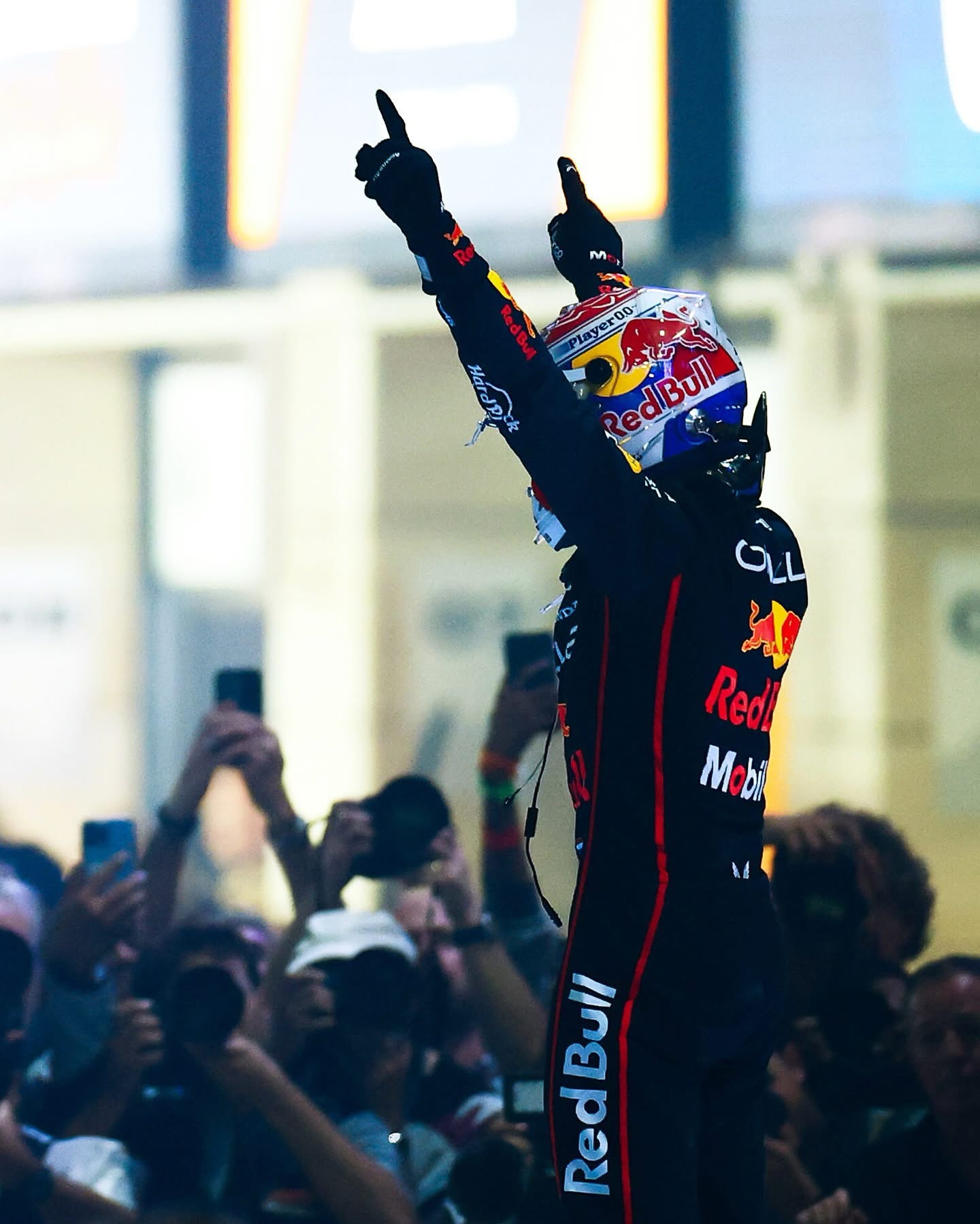
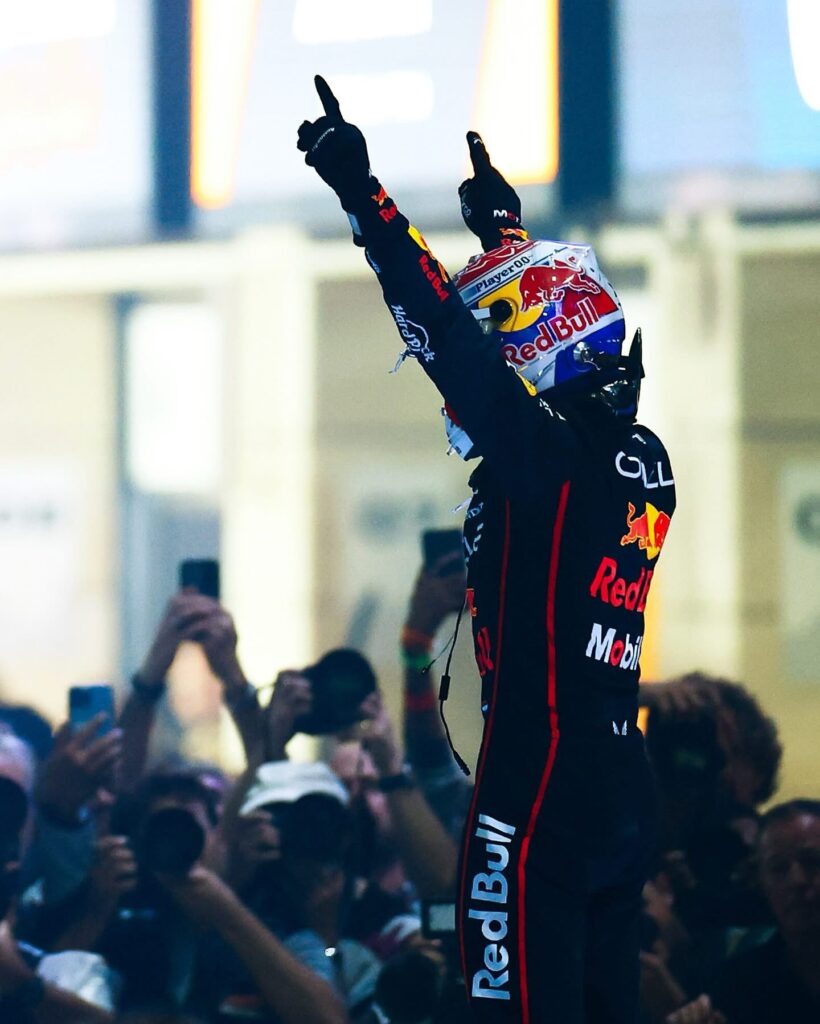
The 2025 Qatar Grand Prix delivered high drama, and it was Max Verstappen who emerged victorious — a win that could prove decisive in the season-long title battle. At the heart of it, a bold and well-timed strategic gamble by Verstappen’s team, combined with unfortunate miscalculations by his rivals at McLaren, reshaped expectations and sent shockwaves through the paddock.
From McLaren dominance to a blow for them
Heading into the Qatar weekend, it was clear that McLaren looked formidable. Their driver Oscar Piastri enjoyed a perfect Saturday: sprint-pole position, sprint-race victory, and during qualifying for Sunday’s Grand Prix, he secured pole. On pure pace and momentum, Piastri and McLaren seemed unstoppable.
Given that performance, many expected Piastri — and by extension McLaren — to convert that advantage into a win on Sunday. That expectation rested not just on speed, but on consistency, strategy, and track position. Unfortunately for them, things didn’t go according to plan.
The start and early chaos
As the race got underway at the Lusail International Circuit under lights, Piastri launched cleanly from pole. Right behind him was Piastri’s teammate, Lando Norris, but once again Norris’s poor reaction off the line played into Verstappen’s hands. Verstappen wasted no time. He surged forward, overtaking Norris into the first corner and quickly inserting himself as Piastri’s chief rival.
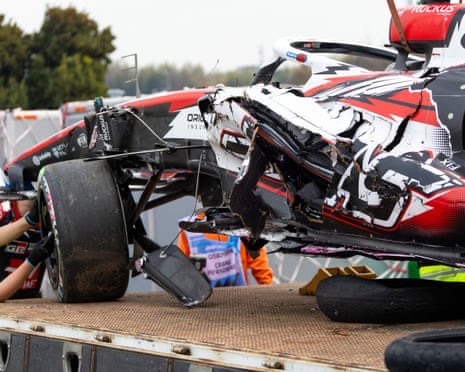
But the real turning point came only a handful of laps later. On lap seven, a collision between Nico Hulkenberg and Pierre Gasly scattered dangerous carbon-fibre debris across the track. The result: an immediate safety car deployment. With the race already declared a mandatory two-stop event — thanks to tyre-degradation concerns raised by tyre supplier Pirelli — the safety car presented an opportunity for an early strategic divergence.
Strategy split: Red Bull strikes; McLaren hesitates
When the safety car came out, Verstappen’s team at Red Bull Racing pounced. They called Verstappen into the pits for fresh tyres — a move that looked aggressive given it came much earlier than planned. In contrast, McLaren made the bold decision to keep both Piastri and Norris on track, gambling that track position would ultimately outweigh the tyre-freshness advantage.
That choice would prove pivotal. While Verstappen rejoined behind traffic, he had the benefit of fresh tyres and the possibility of undercutting once McLaren eventually stopped. Piastri and Norris stayed out, but as the race unfolded, the cost of that gamble became painfully clear.
By lap 25 — to comply with Pirelli’s tyre regulations — McLaren finally pitted both drivers. Their stops went smoothly, but the delay meant they rejoined in a disadvantaged position relative to Verstappen. Norris’s second stop, in particular, proved costly: nearly a second slower than optimal, forcing him into a chase during the final stint. Meanwhile, Verstappen, with superior pace and tyre life, surged ahead.
Closing it out: Verstappen’s composure and clinching the win
Once in front, Verstappen managed tyres, pace, and his rhythm flawlessly. Even though Piastri remained within striking distance — finishing a few seconds behind — he lacked the pace and track position to mount a genuine challenge. Norris, too, fought hard but could only manage fourth place, his podium hopes undermined by the sub-par pit stop.
With Verstappen crowned winner, the championship picture shifted dramatically. Instead of McLaren cruising to the title, the fight is now wide open as the season heads to its final race: the decider in Abu Dhabi. All eyes will be on how each of the frontrunners responds under pressure — especially after Qatar’s high-stakes gamble of strategy over raw speed.
Highlights beyond the top two
Behind the top battle, there were surprising performances and steady drives across the field. Carlos Sainz — driving for Williams Racing — grabbed a hard-earned third place, marking a strong recovery and showcasing the team’s resilience. Meanwhile, a newcomer to the series, Kimi Antonelli, impressed with a calm, collected performance to finish fifth, ahead of veteran George Russell and others.
Further down, drivers like Fernando Alonso, Charles Leclerc, Liam Lawson, and Yuki Tsunoda also scored points, reflecting both competitiveness and the chaotic nature of the Grand Prix. On the flip side, some notable retirements — such as Lance Stroll, Isack Hadjar, Oliver Bearman, and Hulkenberg — added to the sense of unpredictability.
Regulatory change and its impact on race dynamics
This season brought a notable regulatory shift that arguably influenced the race’s outcome: the removal of the “fastest-lap point.” From 2019 until recently, drivers could earn an extra championship point for setting the fastest lap late in the race — a factor that often triggered late-race tyre gambles and split-strategies. With that reward gone for 2025, teams and drivers now value consistent pace, tyre longevity, and strategic prudence over late-race tyre gambles. This may have contributed to the more conservative, tyre-mindful approach we saw unfold on Sunday.
What this means for the championship
For Verstappen, this win doesn’t just represent another Grand Prix victory — it marks a potentially pivotal moment in his campaign for a fifth world title. With the points margin tightened and momentum firmly in his corner, he heads into the season finale with renewed confidence. For McLaren — once looked the favorites — the Qatar result is a bitter blow. Their pace was strong, but strategy missteps and perhaps overly conservative choices cost them dearly.
Meanwhile, teams like Williams may view this as a morale-boosting sign that their development — though perhaps modest compared to F1’s giants — can still yield results. And for the rest of the field, including Mercedes, Alpine, and Aston Martin, Qatar highlighted both opportunity and unpredictability: on the right day, under the right circumstances, chaos and smart strategy can shake up the order.