The 2026 Formula One Australian Grand Prix, scheduled to be the opening round of the 2026 F1 season at the Albert Park Circuit in Melbourne, has become one of the most talked-about motorsport stories of the year not because the event has been canceled or dramatically altered, but because it has stirred debate, uncertainty and heightened anticipation ahead of what promises to be an exciting new championship campaign.
The Australian Grand Prix has traditionally been a key fixture on the Formula 1 calendar, kicking off the season with a vibrant spectacle in Melbourne that draws hundreds of thousands of fans from around the world, keen to witness the grid’s best drivers and teams surge into action. The 2026 edition, officially named the Formula 1 Qatar Airways Australian Grand Prix 2026, is no different; it’s set for March 6–8 at the iconic Albert Park street circuit, a venue that has hosted the sport’s opening race more than two dozen times in its history.
Pre-race Expectations and Season Setup
Much of the global fervor around the 2026 Australian Grand Prix stems from the sport’s major regulatory revamp ahead of the new season, which has altered car designs, power units and overall competitive dynamics. These sweeping changes were introduced over the winter break to improve racing and tighten the field, which means the first race in Melbourne isn’t just another Grand Prix — it’s the first real test under the latest F1 era. With a 24-race championship scheduled — including traditional venues such as China, Japan, Monaco, and the United States — all eyes are on how teams will adapt to these fresh technical rules.
Pre-season narratives have been dominated by speculation about title contenders. The reigning frontrunners from recent years — including teams like McLaren, Red Bull, Mercedes and Ferrari — have been keenly observed for how they’ve interpreted the technical changes, with newcomers Audi and Cadillac also injecting fresh intrigue into the grid. Additionally, the emergence of talented young drivers and the continued evolution of seasoned veterans ensure that the championship will be fiercely competitive right from the outset.
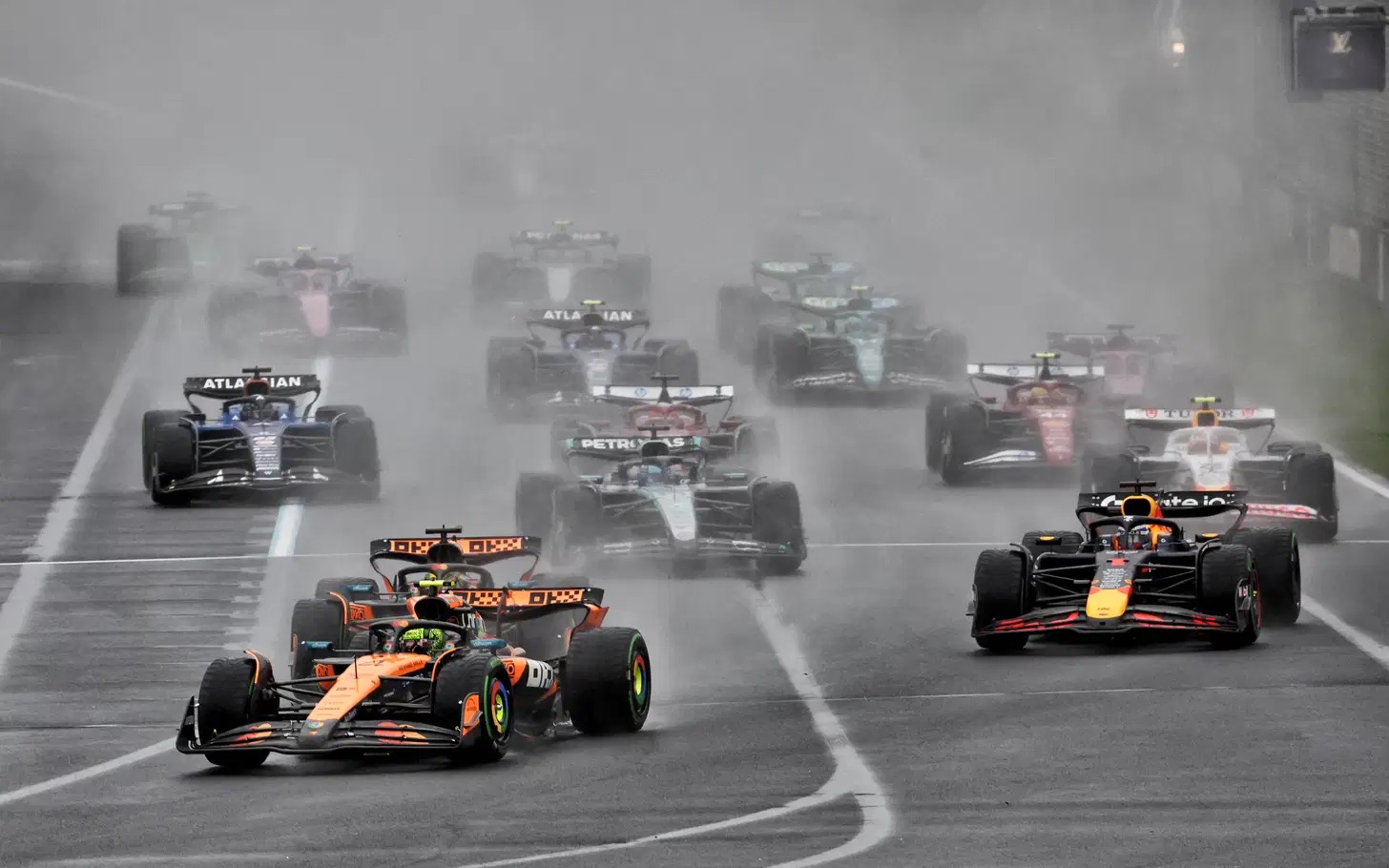
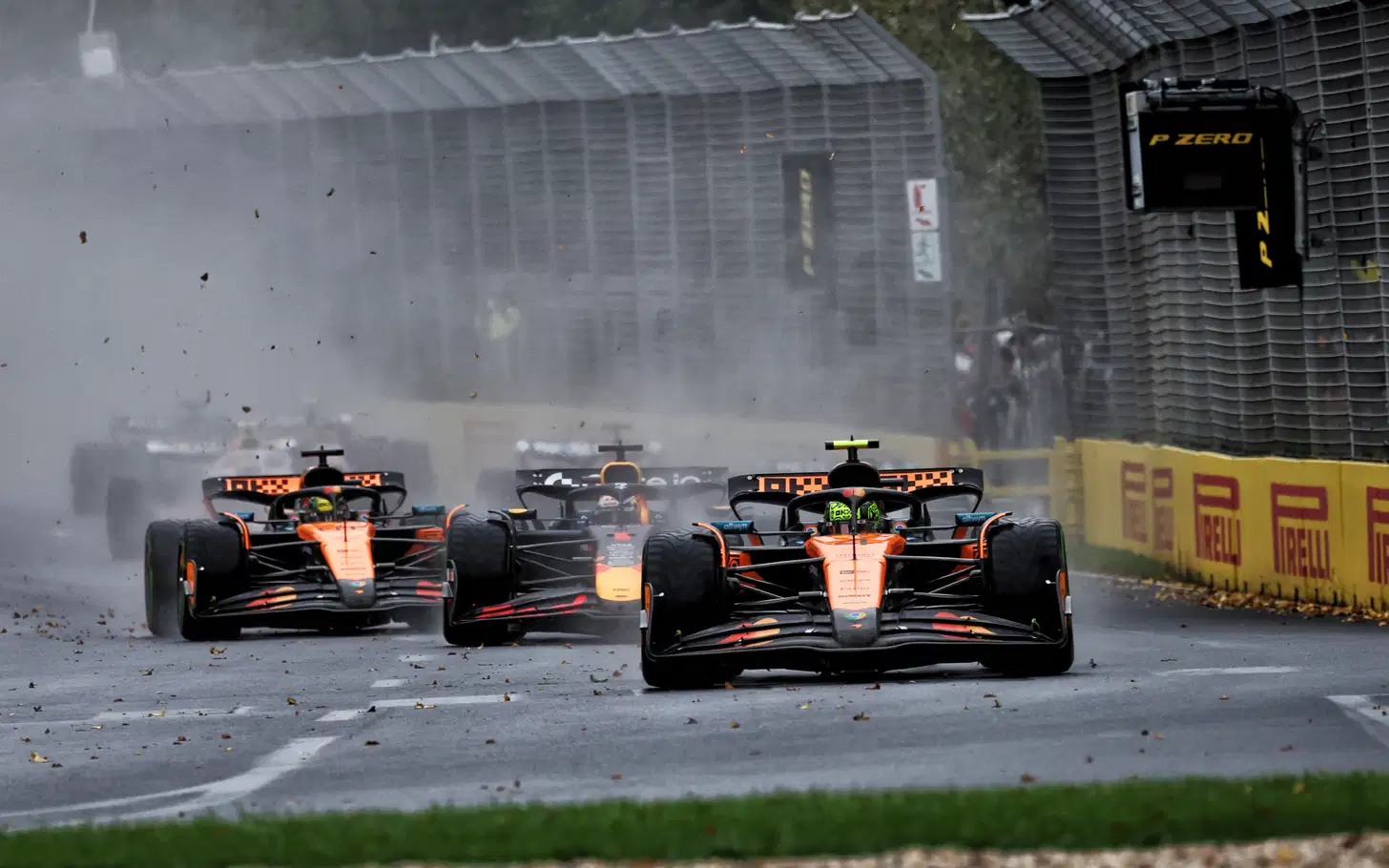
In the previous season, the Australian Grand Prix itself was marked by unpredictable conditions: rain, alternating grip levels and strategic gambles defined the race, ultimately allowing an unexpected victory that shaped the early championship narrative. Fans and pundits alike are watching Melbourne closely again, wondering if 2026 will produce similarly dramatic moments that could set the tone for the entire season.
Concerns and Speculation Ahead of the Event
Despite the buildup, the narrative leading into the Australian Grand Prix hasn’t been completely smooth. A significant geopolitical situation in the Middle East, marked by ongoing conflict and disrupted travel routes, threatened to overshadow the race weekend. Many teams and support staff found their planned flights rerouted or postponed after the closure of major international hubs in the region, notably around the Gulf states that are traditional connecting points for travel between Europe and Australia. These developments sparked rumors and questions about whether all personnel would reach Melbourne in time and whether the event could proceed as scheduled.
Organizers responded definitively, insisting that the race — the season’s first — would proceed without interruption and that spectators would “see no impact” from travel challenges. The leadership at the Australian Grand Prix Corporation worked with Formula 1 officials to rebook flights, deploy additional logistical support, and ensure that teams, drivers and equipment arrived safely and promptly. Multiple press briefings underscored the confidence that the race would go ahead despite the chaotic global backdrop.
Furthermore, concerns over potential cancellations or postponements — which made their way into social media discussions and even sensational online headlines — were put to rest by the organizers’ reiteration that the event remained on track, both literally and figuratively. Local media and international news agencies reaffirmed these assurances, highlighting that practice sessions, qualifying and the race itself were scheduled to begin on Friday and culminate with the Grand Prix on Sunday.
Team Challenges and Competitive Storylines
Beyond logistical headaches, some teams have faced technical adversity that could shape their performance in Australia. Notably, Aston Martin has encountered serious reliability issues with its new Honda power unit; the car struggled significantly during pre-season testing and engineers have worked intensively to rectify fundamental shortcomings. At one point, the team even considered the drastic move of withdrawing from the Australian Grand Prix entirely due to the severity of its problems, though that was ultimately deemed impractical under F1’s contractual and sporting regulations. Instead, the team plans to run minimal laps in Melbourne to fulfill requirements without jeopardizing championship points or breaching obligations.
This situation highlights the broader unpredictability that fans and analysts are embracing this season. While mid-field teams fight to break into the top positions, so too do championship favorites adjust to innovations and uncertainties. With new teams adding to the grid’s depth, the Australian Grand Prix serves as a crucial indicator of where power and pace will reside in 2026.
Global Fan Engagement and Media Coverage
The excitement around the race isn’t limited to the track itself. Worldwide broadcasting arrangements and streaming partnerships have expanded Formula 1’s reach, offering diverse ways to follow the action live. In some regions, new contracts ensure that every session — from practice to the final lap on race day — will be accessible to fans across multiple platforms. This deeper global engagement reflects F1’s rapidly growing popularity, particularly as 2026 represents a pivotal year for the sport’s evolution on and off the circuit.
In sum, while early reports might have hinted at turmoil or last-minute changes to the Australian Grand Prix, the reality is that the race remains firmly on schedule. What’s emerged instead is a rich and layered story — one that encompasses political disruptions, technical challenges, and the sheer competitive energy that defines Formula 1. As the lights go out in Melbourne, drivers will not just be contesting the first victory of 2026; they’ll be launching into a season shaped by innovation, unpredictability, and global fervor for motorsport’s foremost spectacle.