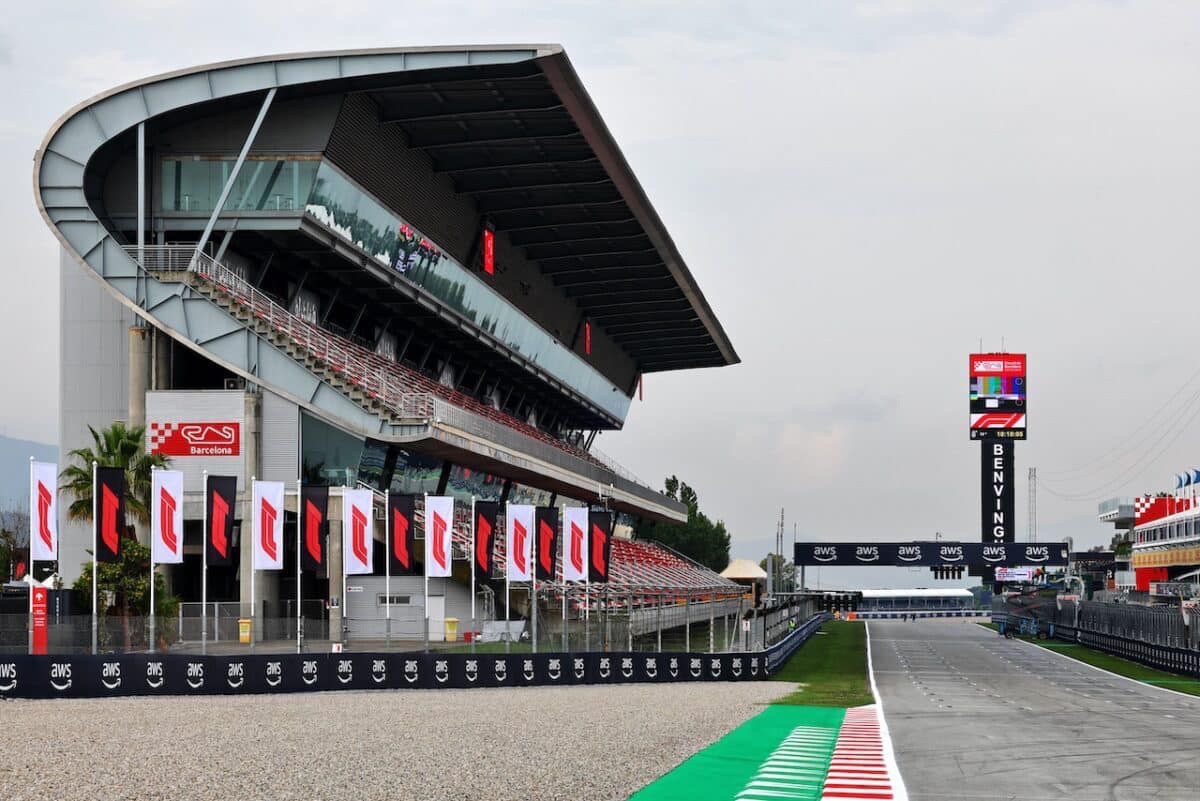
The 2026 Formula One season officially kicks off its on-track activities with the first of several scheduled pre-season testing sessions, set to take place at the Circuit de Barcelona-Catalunya in Spain. Unlike in past years when winter testing was concentrated into a single three-day event, this year F1’s preparations have been expanded into a more comprehensive program designed to help teams adapt to the sport’s sweeping technical changes. The Barcelona test — beginning Monday, January 26 and running through January 30 — represents the opening phase of that process, signaling the start of a brand-new era in top-level motorsport.
Formula 1 enters 2026 with one of the most dramatic regulation changes in its modern history — from new hybrid power unit rules and sustainable fuel utilization to modified aerodynamic and structural requirements — all aimed at making the sport more exciting, more efficient, and more competitive. Because of this overhaul, teams have more to learn and adjust than in a typical off-season, prompting F1 and the FIA to implement an extended testing framework. Rather than limiting teams to a single collective test, the season’s preparatory schedule now includes • the closed Barcelona shakedown • two official Bahrain tests prior to the first race in Australia • a range of private simulator and development programs designed to help teams tune their new cars.
A Behind-Closed-Doors Shakedown
The Barcelona pre-season test is deliberately structured as a closed-door shakedown, meaning traditional spectators and broad live media won’t be allowed access to the circuit. The intention behind this limited-access format is to give teams the freedom to focus on system reliability, integration testing, and calibrating components — especially the new hybrid systems and powertrain hardware — without the pressure of public scrutiny or broadcast coverage.
This closed setup also means that most of what happens on track during these five days may remain out of the public eye, and there will be very little in the way of live statistics, lap times, or performance analysis released. Even when snippets do emerge, they should be treated cautiously since various teams may run different engine modes, experiment with development parts, or carry different fuel loads, all of which skew comparisons.
Format and Running Schedule
Teams at Barcelona will have a structured timetable for on-track activity. Sessions will take place from early morning through late afternoon — generally from 09:00 to 17:00 local time (CET) — giving engineers and drivers a full eight hours each day to gather data and test systems. There may also be opportunities for running beyond this window if weather and daylight allow, which teams will likely use to squeeze in additional laps when handling tricky reliability items or initial performance runs.
Importantly, while the test lasts for five days in total, not all teams are required to be present every day. Regulations permit each team to run their cars on only three of the five available days. This measure helps control costs and prevents excessive mileage on freshly delivered machines that are still being fine-tuned.
Varied Team Participation
Even before the first session begins, several teams have indicated that they won’t take part uniformly throughout the entire Barcelona shakedown week. High-profile outfits like McLaren and Ferrari have stated that they won’t run on the opening day, opting instead to begin their programmes later in the week. Meanwhile, Williams, one of the smaller independent teams, has announced that it won’t participate in the Barcelona test at all. That decision stems from ongoing preparations of their new car — the FW48 — which isn’t yet ready for a full on-track run. Rather than risk running incomplete hardware, the team has chosen to prioritize additional preparation work and simulator programs, focusing its efforts on the later Bahrain tests and ensuring a more competitive debut on track.
This patchwork of attendance will make the early test week look quite unlike a traditional full grid running together: some days will feature a near-complete lineup while others will have only a handful of teams and drivers on track. That variability underlines the transitional nature of the 2026 testing phase, where teams are balancing the need for meaningful data with strategy, resource allocation, and development priorities.
Focus on Reliability Before Speed
Perhaps the most important takeaway from this opening test is the emphasis on systems verification over outright lap times. With the introduction of new hybrid power units and aggressive changes to aerodynamic philosophy, ensuring that every mechanical and electrical component works as intended will be more critical than posting fast times on the scoreboard. Early testing has traditionally been a good time for teams to find weaknesses and reinforce them, and this year’s Barcelona session is expected to be even more foundational in that regard.
Engineers will be scrutinizing cooling systems, energy recovery and deployment functions, software integration, and hardware reliability — any area where a flaw could rollover into race weekends and compromise performance or safety. Drivers, for their part, will be providing first impressions on how the new cars feel, where improvements in drivability are needed, and offering feedback that will inform how teams refine setups for later tests and ultimately, race conditions.
Setting the Tone for the Season
Although fans and media aren’t expected to see much from the Barcelona test itself, its significance shouldn’t be underestimated. This opening outing marks Formula 1’s first collective step into a highly anticipated new regulatory landscape, and any issues discovered — or breakthroughs achieved — could play a pivotal role in shaping how teams approach the rest of their 2026 campaign.
Following Barcelona, teams will continue their pre-season build-up with two official winter tests in Bahrain in February, where more extensive running and broader media coverage will take place. Those sessions will give teams a clearer picture of performance levels relative to their rivals and will further prepare them for the official season opener — the Australian Grand Prix in Melbourne.
In short, the Barcelona pre-season test is the curtain-raiser for a year that promises innovation, fresh competition, and potentially dramatic changes in the pecking order. Even though the action won’t be widely seen, it represents the crucial groundwork that every team must lay before heading into what’s expected to be one of the most transformative seasons in recent Formula 1 history.