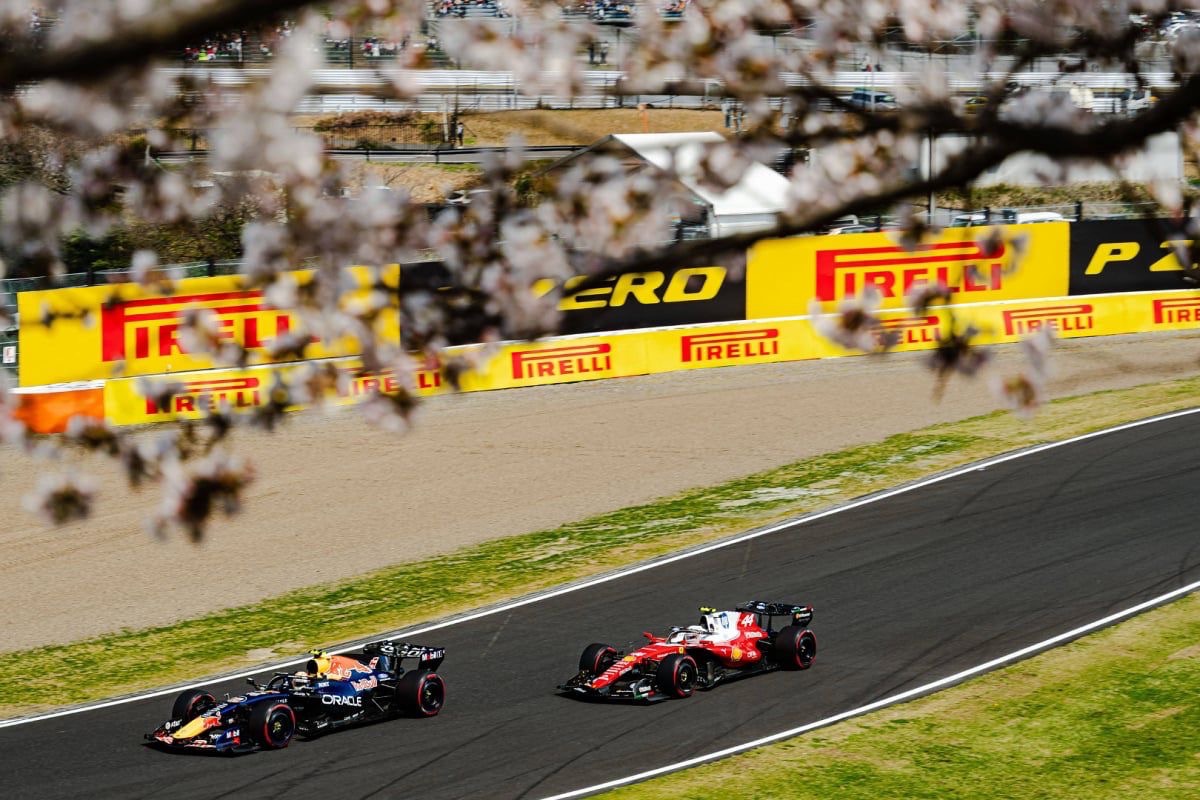
Fresh updates from the 2026 Formula One Japanese Grand Prix have revealed the complete starting grid for the race at Suzuka, including all confirmed penalties that have altered the original qualifying order. Following an intense and competitive qualifying session, several drivers secured strong positions based purely on lap times, but post-session penalties have reshuffled parts of the grid, creating a slightly different lineup for race day.
At the front of the grid, Mercedes emerged as the dominant force once again. Young Italian driver Kimi Antonelli claimed pole position after delivering an impressive performance during qualifying, continuing his strong start to the 2026 season. His teammate George Russell will line up alongside him on the front row, giving Mercedes a powerful one-two start and reinforcing their early-season superiority.
Behind the Mercedes duo, the second row features a mix of contenders from rival teams. McLaren’s Oscar Piastri secured a strong qualifying result to start near the front, while Ferrari’s Charles Leclerc also locked in a competitive position just behind the leaders. Both drivers demonstrated solid pace throughout the sessions and will be looking to challenge Mercedes once the race begins.
Further down the top ten, additional notable names fill out the grid. Lando Norris of McLaren secured another top-five start, underlining his team’s improving form. Meanwhile, Lewis Hamilton, now racing for Ferrari, also achieved a respectable grid position within the top ten, continuing his consistent performances this season. Alpine’s Pierre Gasly, Red Bull’s Isack Hadjar, Audi’s Gabriel Bortoleto, and rookie Arvid Lindblad also completed the top ten after qualifying, reflecting a diverse mix of teams competing at a high level.
However, despite the initial qualifying results, penalties have played a crucial role in shaping the final starting order. In Formula One, grid penalties are commonly issued for infractions such as impeding other drivers, exceeding track limits, or making unauthorized component changes. These penalties can result in drivers being moved back several positions on the grid, significantly affecting their race prospects.
Although specific penalties for this race weekend have not dramatically impacted the very front of the grid, they have influenced positions in the midfield and lower sections. These adjustments often create new opportunities for drivers who benefit from others dropping down the order, while those penalized must fight through traffic during the race.
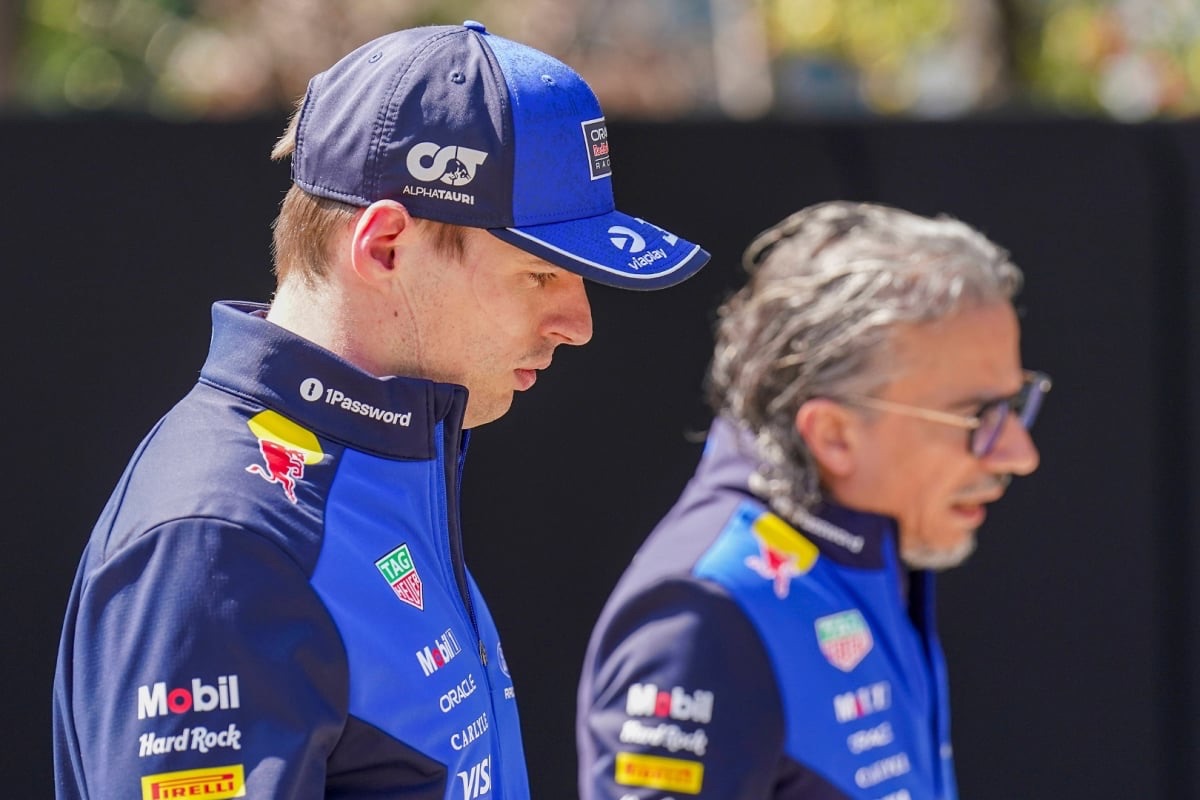
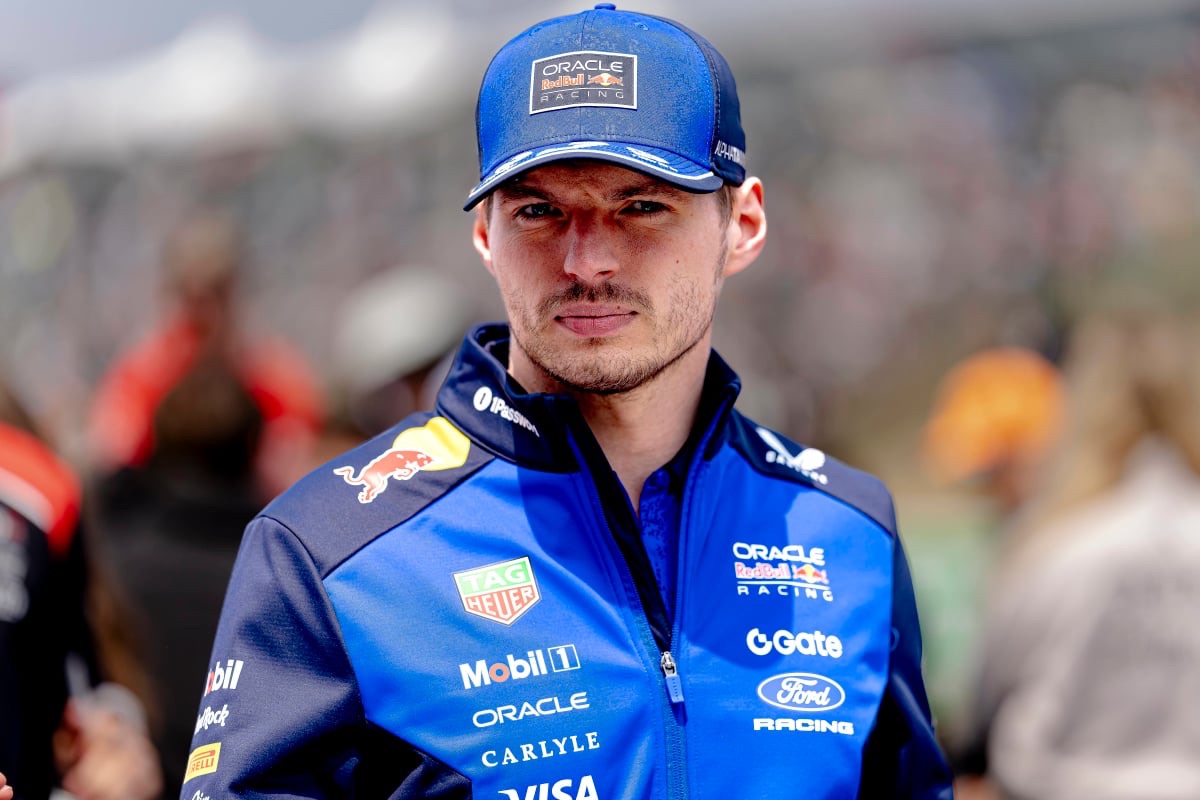
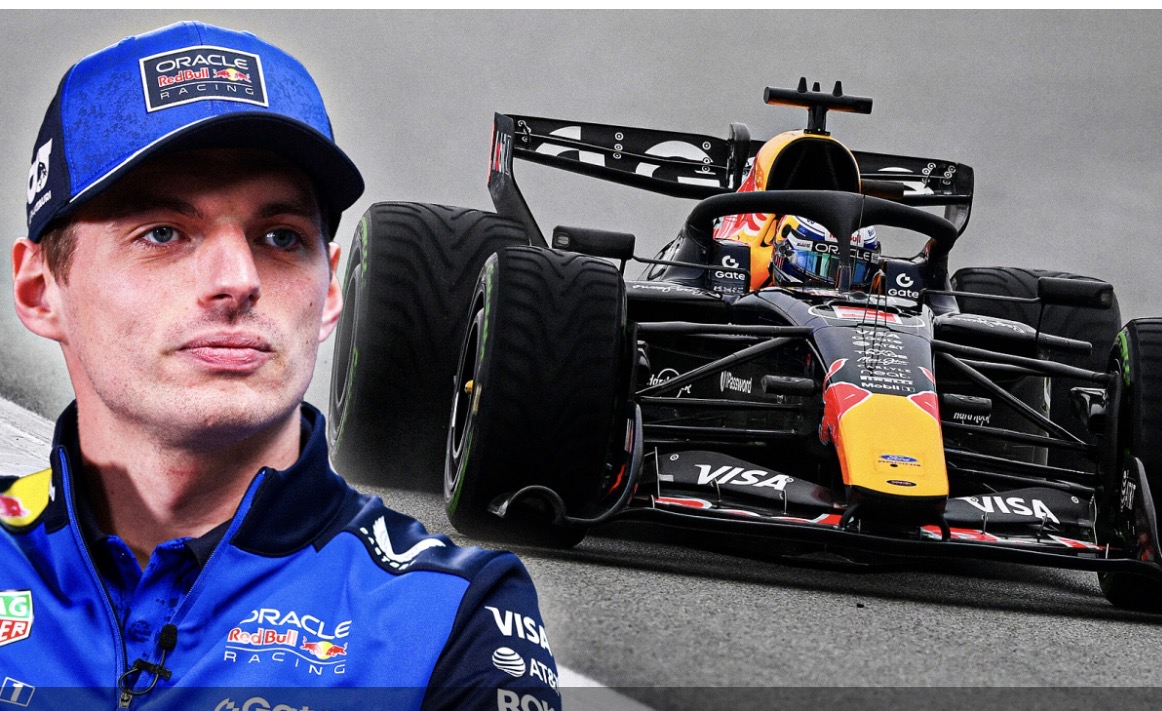
One of the most surprising stories heading into the race is the position of reigning champion Max Verstappen. The Dutch driver endured a difficult qualifying session and failed to progress into the final shootout, leaving him outside the top ten. As a result, he is set to start from 11th place on the grid. This marks a significant shift from his usual dominance at Suzuka, where he has historically performed very well.
Verstappen’s struggles have been attributed to issues with his car’s handling and balance, particularly related to oversteer and a challenging aerodynamic setup. These problems have affected Red Bull’s competitiveness early in the season, putting them on the back foot compared to rivals like Mercedes and Ferrari.
The midfield battle is expected to be particularly intense, with several teams closely matched in performance. Drivers starting in this region of the grid will be aiming to capitalize on any race-day incidents, strategy calls, or overtaking opportunities to move up the order. Suzuka’s technical layout makes overtaking challenging in certain sections, but strategic decisions and tire management can still create chances for progress.
Another factor influencing the race setup is the evolving technical regulations introduced for the 2026 season. Changes to hybrid power units and energy management systems have altered how drivers approach both qualifying and race conditions. For example, adjustments to energy deployment have impacted lap times and consistency, making it more difficult for some teams to extract maximum performance.
Additionally, governing body interventions—such as tweaks to energy limits during qualifying—have aimed to improve on-track action and reduce reliance on energy-saving techniques. These changes have added an extra layer of complexity, meaning that the starting grid is not just a reflection of raw speed, but also of how well teams adapt to evolving rules.
The final starting grid, therefore, represents a combination of qualifying performance and post-session adjustments. While the top positions remain largely unchanged, the middle and lower sections have been reshaped by penalties and other factors. This dynamic setup increases the unpredictability of the race, as drivers out of position may adopt aggressive strategies to recover lost ground.
From a strategic standpoint, drivers starting further back—whether due to penalties or poor qualifying—often take more risks with tire choices and pit stop timing. This can lead to exciting on-track battles and unexpected results, especially at a circuit as demanding as Suzuka.
The Japanese Grand Prix is widely regarded as one of the most technically challenging races on the Formula One calendar. Its unique figure-eight layout, high-speed corners, and elevation changes test both driver skill and car performance. As a result, starting position plays a crucial role, but it is not the sole determinant of success.
With the full grid now confirmed and penalties applied, attention shifts to race day, where teams will implement their strategies and drivers will compete for crucial championship points. The early stage of the season adds further importance to this race, as every result contributes to building momentum in both the drivers’ and constructors’ standings.
In summary, the finalized starting grid for the 2026 Japanese Grand Prix reflects a blend of qualifying excellence and regulatory consequences. Mercedes leads the way with a front-row lockout, while challengers from McLaren and Ferrari remain close behind. Meanwhile, penalties and unexpected performances have reshaped the midfield, setting the stage for a highly competitive and unpredictable race.
Fans can expect intense action as drivers navigate both the physical demands of Suzuka and the strategic challenges presented by the adjusted grid. With multiple storylines unfolding—from Mercedes’ dominance to Verstappen’s recovery drive—the race promises to deliver excitement from start to finish.