Just In: FIA and F1 issues statement about Bahrain and Saudi Arabian GPs after Iran M…read more
Formula 1 has issued an official response amid escalating tensions in the Middle East, seeking to reassure teams, personnel, and fans that the ongoing unrest will not immediately disrupt its race calendar.
The statement comes after a dramatic weekend in which the United States and Israel launched airstrikes inside Iran, prompting retaliatory missile attacks from Iran targeting several US-linked sites across the region. Among the countries reportedly affected was Bahrain — a key venue on the Formula 1 schedule and the host of recent pre-season testing at the Bahrain International Circuit in Sakhir.
Social media footage circulating in the aftermath of the strikes appeared to show explosions occurring roughly 20 kilometres from the circuit, sparking understandable concern within the motorsport community. However, Formula 1 personnel had already departed Bahrain following the conclusion of winter testing, and no team members were reported to be in immediate danger.
While the racing paddock is no longer on site, the ripple effects of the regional instability are already being felt. Several team members are now being forced to reorganize travel arrangements ahead of the season-opening Australian Grand Prix. Many F1 staff typically transit through major Middle Eastern aviation hubs when travelling between Europe and Australia, but with heightened security risks and airspace uncertainty, alternative flight routes are being explored.
In a statement shared with media outlets, an F1 spokesperson emphasized that the championship’s immediate schedule remains unaffected. “Our next three races are in Australia, China and Japan — not in the Middle East — and those events are still several weeks away,” the spokesperson said. “As always, we closely monitor situations like this and remain in constant contact with the relevant authorities.”
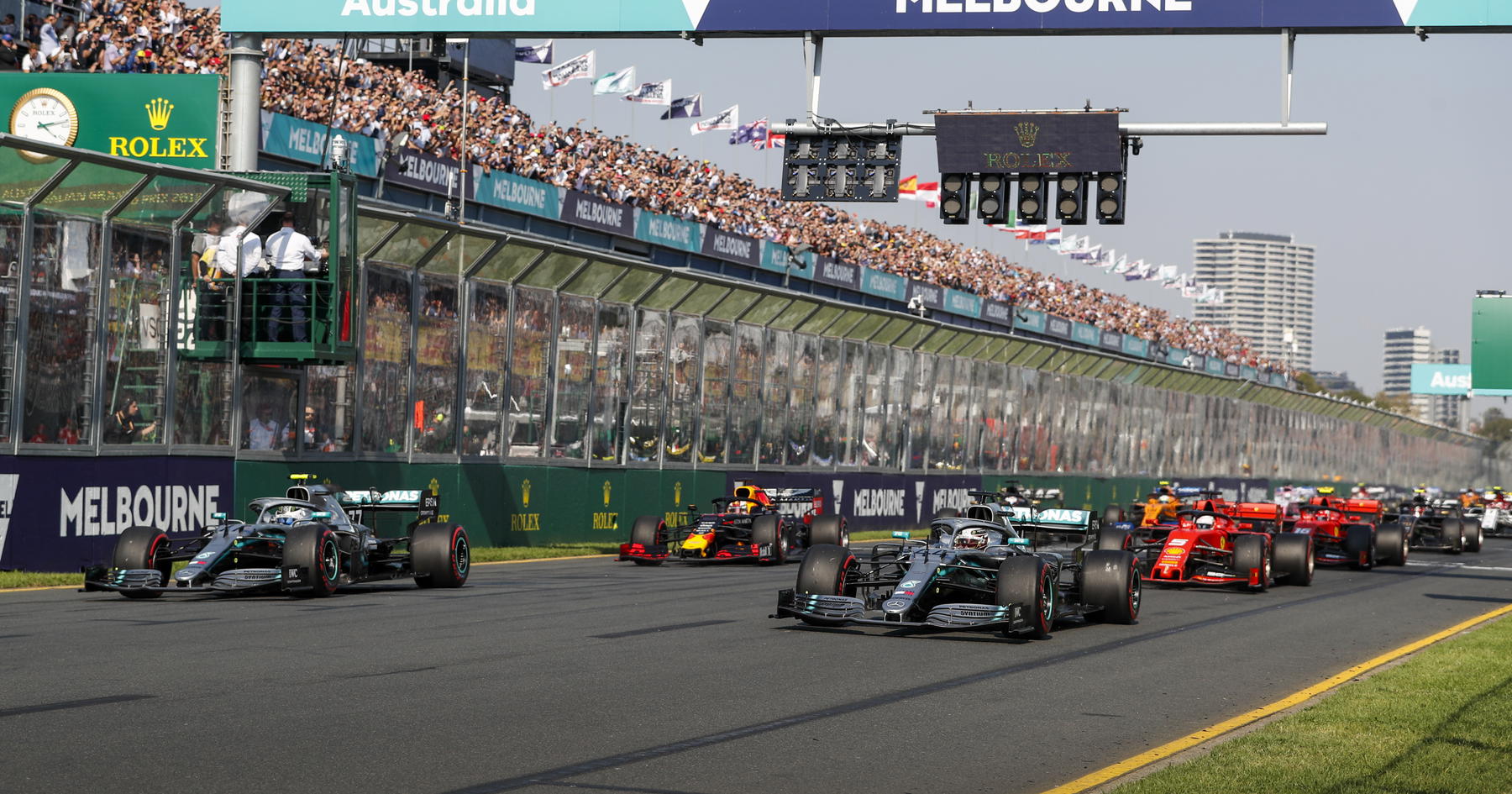
The 2026 Formula 1 season is set to begin at the Australian Grand Prix in Melbourne, followed by rounds in Shanghai and Suzuka. At present, there are no indications that these races will be impacted by the geopolitical developments in the Gulf region.
Bahrain traditionally hosts one of the early rounds of the championship at the Bahrain Grand Prix, while Saudi Arabia’s event takes place at the Saudi Arabian Grand Prix in Jeddah. Though those races are not scheduled imminently, Formula 1’s leadership is understood to be conducting ongoing risk assessments in coordination with local governments and international security advisors.
Beyond the broader calendar implications, one immediate casualty of the unrest has been a planned tyre test organized by Italian manufacturer Pirelli. The company had scheduled a wet-weather development session at the Bahrain International Circuit this weekend. The test was designed to simulate heavy rainfall conditions by artificially soaking the track surface, allowing engineers to evaluate improvements to the full wet compound ahead of the new regulatory cycle.
Given the security situation, that test has now been officially cancelled. Pirelli is expected to seek alternative venues and dates to complete its development programme, though no immediate replacement has been confirmed.
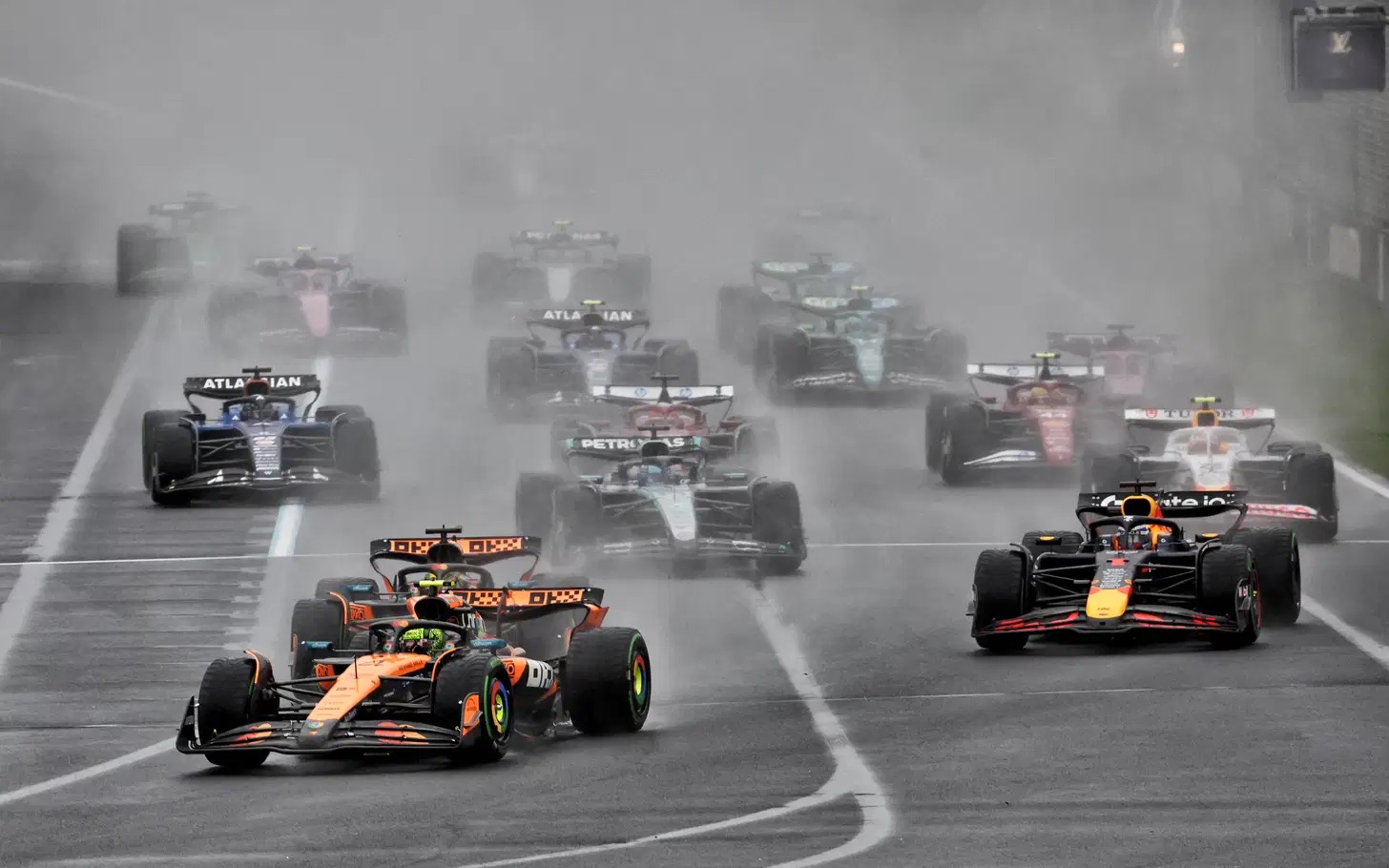
Ironically, wet-weather tyres could still become a talking point at the season opener in Melbourne. Weather authorities in the Australian state of Victoria have issued warnings for thunderstorms, intense rainfall, and possible flash flooding in the days leading up to the race weekend. Forecasts suggest severe conditions may strike as early as Tuesday, just days before teams begin final preparations at Albert Park.
Heavy rain could complicate garage setup operations and freight deliveries, potentially creating logistical challenges even before cars hit the track. Should the inclement weather persist into the weekend itself, teams may find themselves relying heavily on intermediate and full wet tyres — precisely the area Pirelli had hoped to refine in Bahrain.
For now, Formula 1 appears determined to project calm and continuity. The championship has navigated geopolitical disruptions before, including race cancellations and calendar reshuffles during global crises. With several weeks remaining before the sport is due to return to the Middle East for competitive action, officials are emphasizing vigilance rather than alarm.
Teams, meanwhile, are focusing on final preparations for Melbourne, even as travel coordinators adjust flight plans and security briefings are quietly updated. While the situation in the region remains fluid, Formula 1’s immediate roadmap remains intact — at least for now.
The coming weeks will determine whether the instability escalates further or stabilizes. Until then, the sport’s leadership insists that safety remains its overriding priority, and that contingency planning is firmly in place should circumstances change.