The governing body FIA has issued a post‑race penalty impacting Kimi Antonelli following the recent Qatar Grand Prix weekend — a development that reshuffles the finishing order from Saturday’s sprint race, and changes what would have been a standout result for the young rookie.
Surprise Revision: Antonelli’s Sprint Result Takes a Blow
Antonelli, a rookie with Mercedes, had appeared to clinch a respectable fifth‑place finish in the sprint. His performance on track looked strong — controlled, quick, and steady among more experienced midfield drivers. But that provisional result would not hold. After an official review, the FIA confirmed that Antonelli committed multiple violations of track‑limit rules during the 19‑lap sprint at the Lusail International Circuit.
More precisely, he was found to have overstepped the allowed boundaries of the racing surface — crossing the white lines demarcating the circuit outskirts on four separate occasions. Under the regulations adopted this season, the first three infringements trigger a warning (black‑and‑white flag). A fourth breach, however, triggers an automatic penalty.
Because of the fourth overstep, Antonelli was handed a five‑second time penalty. While a five‑second penalty might seem modest on paper, in the high-speed, tightly packed context of a sprint race, that was enough to knock him out of the top five. As a result, his official classification was changed from fifth to sixth place.
Side Effects: Teammate and Rivals Also Impacted
The reshuffle didn’t only affect Antonelli — his demotion also indirectly affected other drivers. Notably, Yuki Tsunoda, who had also received a five‑second time penalty for a similar track‑limit violation, ended up finishing ahead of Antonelli. Because Tsunoda had held a gap sufficient to absorb his penalty, he retained a higher finishing position than the Mercedes rookie after Antonelli was demoted.
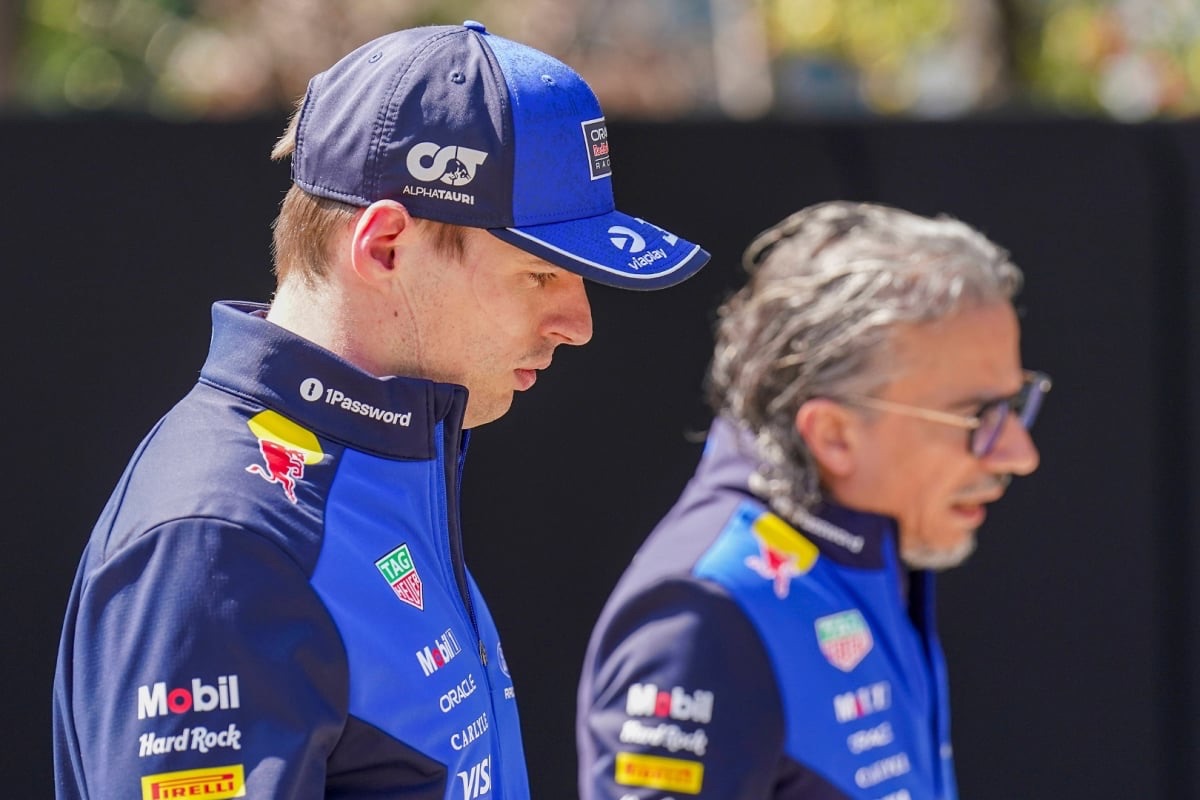
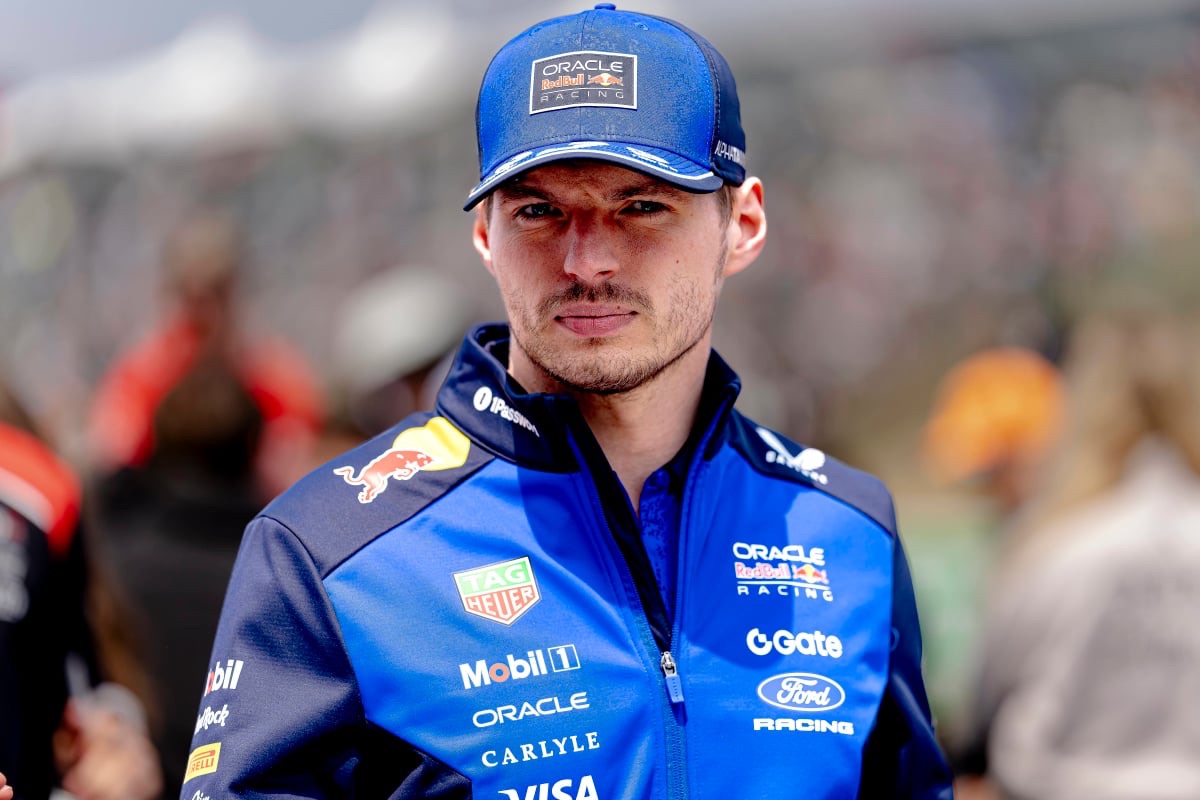
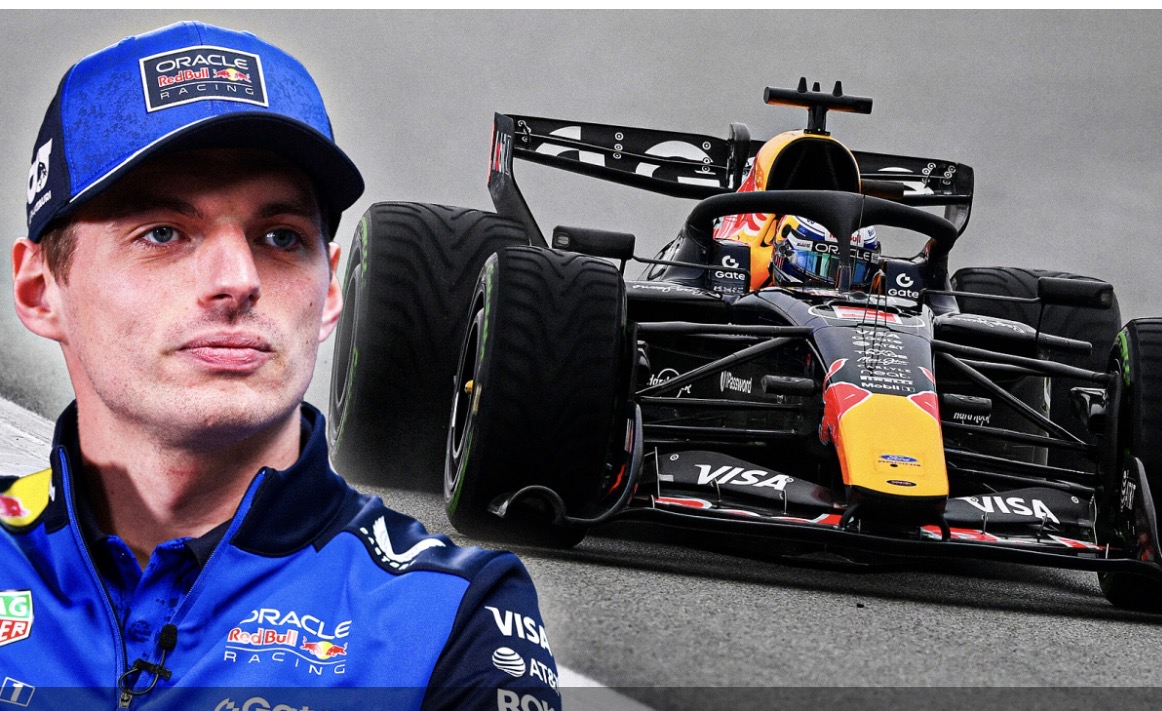
For Tsunoda, that meant salvaging what had been, by many measures, one of his strongest outings since his move to the main roster of his team Red Bull Racing. His pace and competitiveness — even in the wake of a penalty — showed promise, especially when he out‑qualified his much more experienced teammate Max Verstappen in sprint qualifying.
Yet, despite this rebound, Tsunoda’s future remains uncertain. According to the article, betting in the paddock is leaning heavily toward another driver — Isack Hadjar — as the top candidate to claim Tsunoda’s seat in 2026. Add to that competition from other rising talents such as Arvid Lindblad, and Tsunoda may need to produce stellar results in the remaining races if he wants to cement his place.
What This Means for Antonelli — A Rookie Under Pressure
For Antonelli, the penalty is a tough lesson in the unforgiving precision required at the highest level of motorsport. Pushing hard is expected — especially from a rookie eager to make a mark — but modern F1 doesn’t tolerate even small misjudgments. The track‑limits at Lusail, with fast corners and wide kerbs, are notoriously tricky. Crossing the white lines is all too easy for a driver trying to maximize pace in tight company. Still, repeating such violations repeatedly — until the threshold for penalty is exceeded — triggers action from officials.
Yet, despite the demotion, many pundits and observers who watched the race felt Antonelli showed “maturity” in his driving. According to the report, he demonstrated solid pace, composure, and racecraft — qualities that under different circumstances might have translated into a strong result. Ending the sprint sixth after penalty, instead of fifth, remains a respectable outcome for a rookie.
Still, the result is a cautionary tale. It underscores how small mistakes — in this case, track‑limit violations — can have disproportionately large consequences. For a driver in his first season, still under scrutiny, this penalty will likely remain a talking point as the team and driver reflect on what might have been.
Bigger Picture: Enforcement, Consistency, and F1’s Tight Margins
This incident also speaks to the broader tension in modern Formula 1 between aggressive driving and strict regulation enforcement. Track limits — designed to keep racing fair and prevent drivers from gaining an unfair advantage by running wide — are among the rules that push drivers to perform at the edge of legality. Yet, as Antonelli’s case shows, even established drivers are vulnerable.
Further, the application of such penalties shows that the stewards and FIA remain committed to enforcing track limits consistently, even when the result impacts a promising rookie. Whether that consistency will please teams or fans is another matter — but it underscores just how tight margins are, how small the differences can be, and how much discipline F1 drivers must maintain.
For Antonelli, the penalty is a setback — but also a test. How he responds in the next races may shape the trajectory of his rookie season and possibly his long-term career. For Tsunoda and others, it highlights both opportunity and pressure: a chance to impress under difficult circumstances, but also the risk of being edged aside by rising talent.
Final Thoughts: A Harsh Reminder in a High-Stakes Sport
In the high‑stakes world of Formula 1, where every fraction of second matters, the incident at the 2025 Qatar Grand Prix sprint is a vivid reminder: performance alone isn’t enough. Rules matter, and rule‑breaches carry weighty consequences. For the young Mercedes driver Kimi Antonelli, what seemed like a promising fifth‑place finish turned into a more modest sixth because of a track‑limits violation. For Yuki Tsunoda, a similar infraction had a lesser impact — but his future may still hang in the balance amid rising competition.
What the episode ultimately shows is the razor‑thin line between success and disappointment in modern F1. A few centimeters beyond the white line on a corner can cost a driver positions — or even careers. As the season continues, teams and drivers alike will undoubtedly be reminded that in Formula 1, control, consistency, and respect for the limits are as vital as raw speed.