The Fédération Internationale de l’Automobile (FIA) has now officially published the entry list for the 2026 Formula One season, confirming that there will be three notable alterations to the driver roster when compared with how the grid appeared at the conclusion of the 2025 campaign. These changes arrive at a time of huge transformation in the sport—both on the regulatory front and among the competitive dynamics of the teams and drivers.
As Formula One shifts into a brand-new regulatory era for 2026, with significant technical reforms in car design and power unit configuration already set to take effect, the sport anticipates a season that could look quite different from what fans have grown accustomed to. These reforms are expected to reshuffle competitive balances, potentially upending long-standing hierarchies and offering opportunities for both established stars and emerging talents to make their mark.
At the 2025 Abu Dhabi Grand Prix, Lando Norris clinched the Drivers’ Championship, putting McLaren firmly at the top of the standings and crowning a season of consistently strong performances. While McLaren’s championship success underscores a period of renewed competitive strength for the team, questions remain over whether they can maintain that level of performance once the sport’s new technical regulations are introduced.
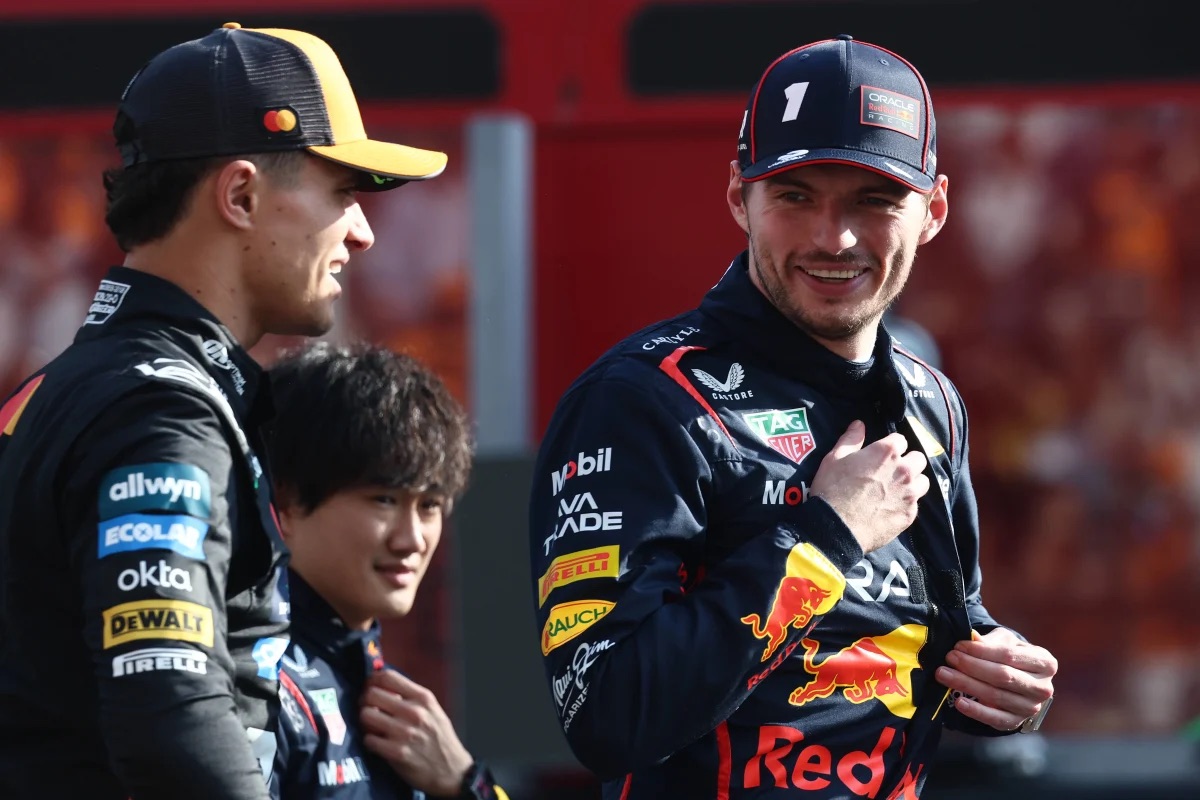
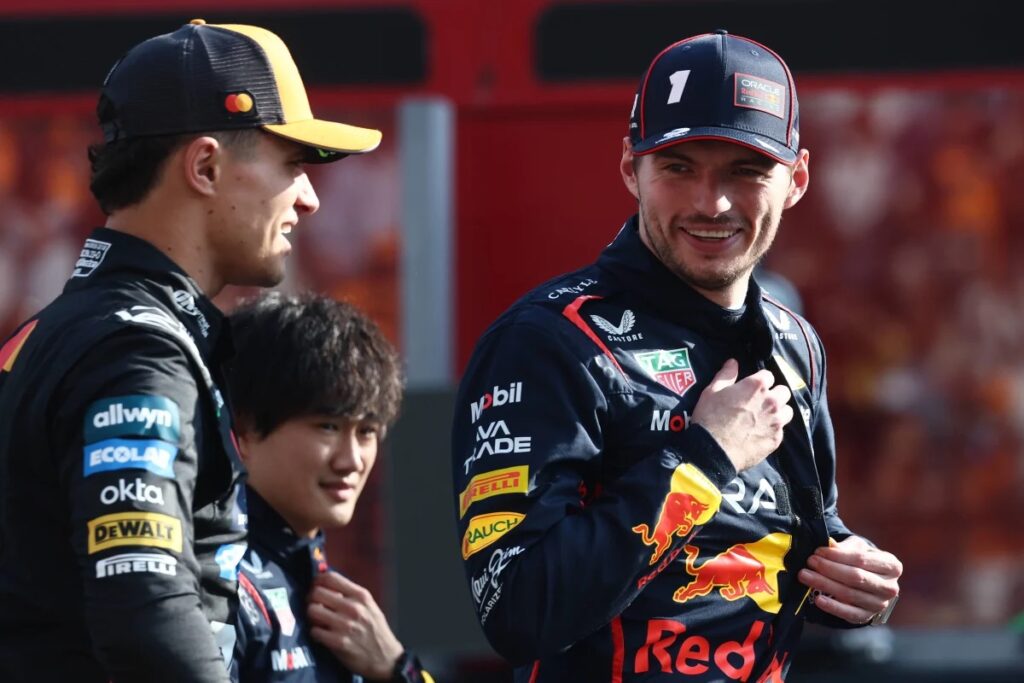
One of the most apparent changes on the newly released 2026 entry list revolves around the driver numbers that certain marquee names will use. This is especially true for the reigning world champion himself, Norris, who has elected to take on the coveted number 1 plate for the upcoming season. Under FIA rules, the number 1 can be chosen only by the reigning world champion if they wish to use it, and Norris has opted to make that change, abandoning the number 4 that he carried throughout 2025.
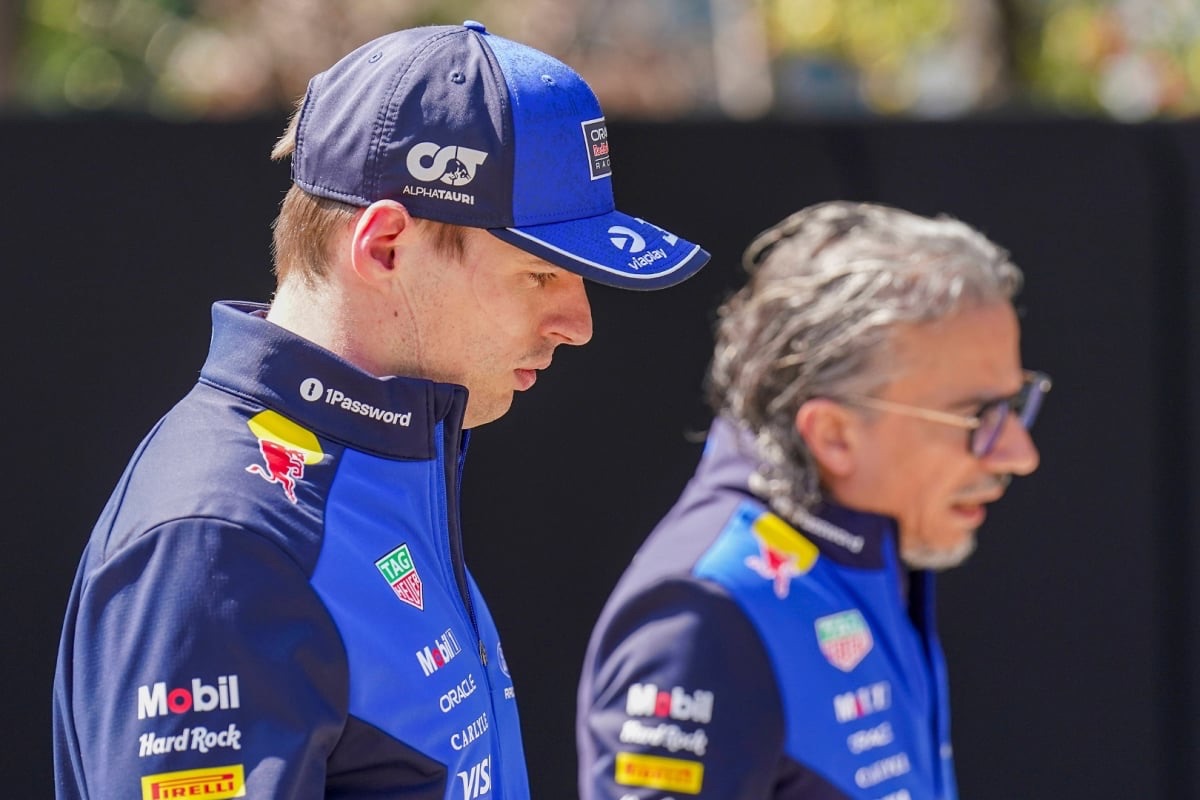
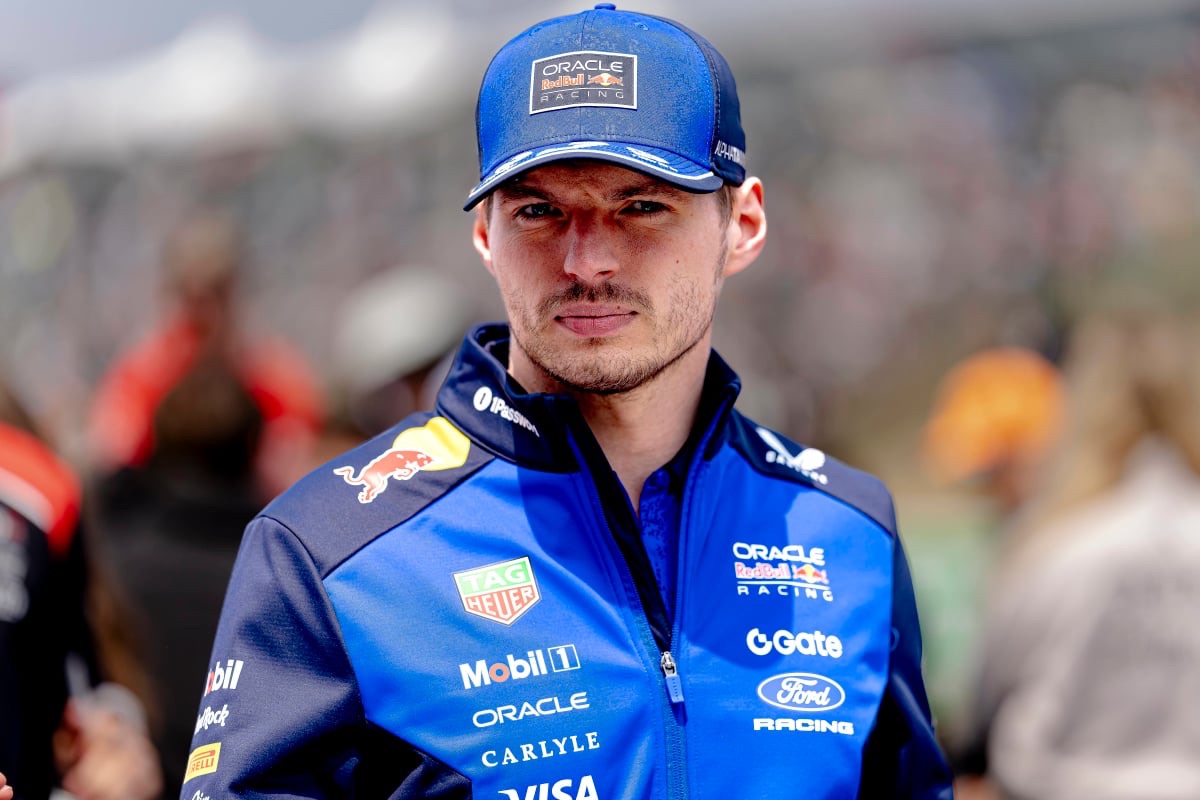
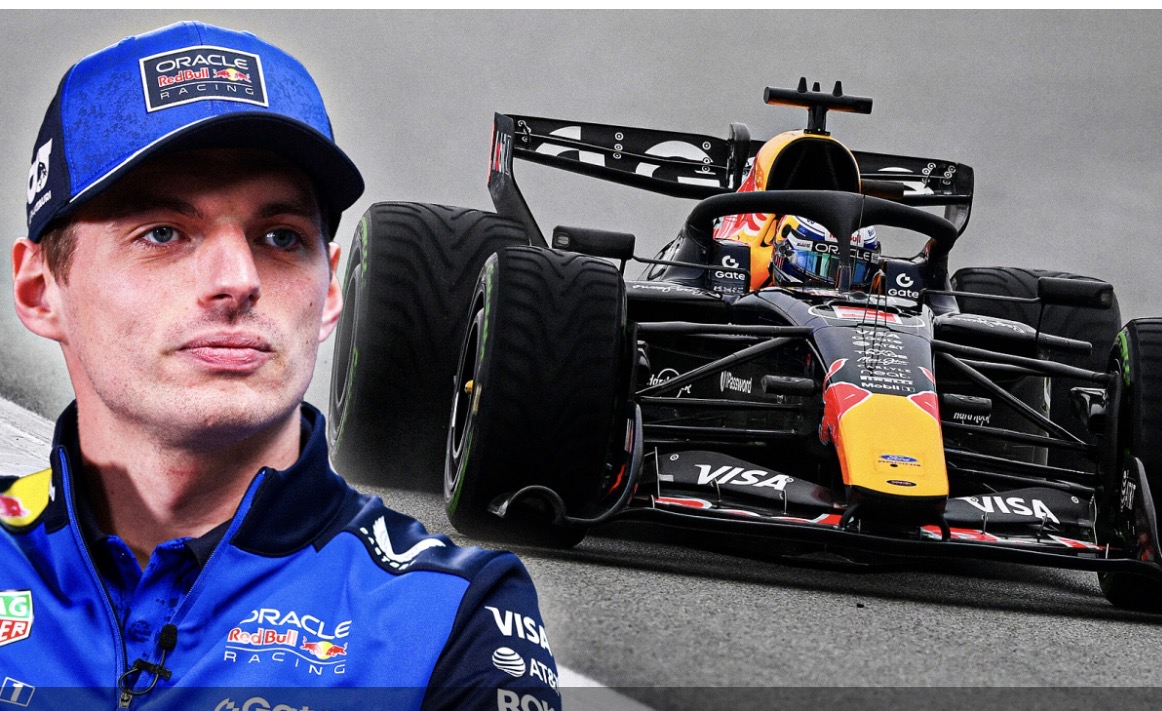
This decision by Norris has a knock-on effect for other top drivers, most notably Max Verstappen. Having narrowly missed out on defending his title in 2025—finishing just two points behind Norris—Verstappen is required to relinquish the number 1 he used over the previous four seasons. Rather than revert to his previous number, 33, which he used early in his Formula One career from 2016 to 2021, Verstappen has chosen an entirely different identifier for 2026.
The FIA’s entry list confirms that Verstappen will race under the number 3 next season. This number was previously associated with Daniel Ricciardo during his time in Formula One before his retirement from the sport. Verstappen has spoken in interviews about this choice, explaining that although 33 served him well during his early years, he has a long-held affinity for the number three itself and feels it carries a certain aesthetic appeal. His decision also reflects the fact that Ricciardo’s departure from the grid has freed that number for reassignment.
While the number switches for Norris and Verstappen might seem symbolic, they represent tangible adjustments to the composition of Formula One’s driver lineup, highlighting how even established figures are evolving their identities and legacies as the sport enters a new chapter. Beyond these changes at the very top of the standings, there is also a fresh new face entering Formula One’s elite class.
Eighteen-year-old Arvid Lindblad will make his Formula One debut in 2026 after securing a seat with Racing Bulls, the sister team to Red Bull. Lindblad’s arrival marks one of the three changes on the FIA’s official driver entry list and signals the continuation of Formula One’s trend toward promoting promising young talent from the junior ranks. At the start of the next season, Lindblad will race under the number 41, stepping up from feeder series competition to take his place on the sport’s biggest stage.
Lindblad’s promotion comes as Isack Hadjar moves up to the main Red Bull team, replacing another driver and solidifying the reshuffle in the Red Bull family of teams. Red Bull’s decisions regarding team lineups have been one of the focal points of the sport’s recent off-season discussions, as they look to construct a driver pairing that can keep them competitive amid sweeping changes across the sport. Meanwhile, Yuki Tsunoda—who had previously held a seat with Racing Bulls—is no longer listed on the official grid for 2026, confirming his departure from the active competition roster for the upcoming season.
Taken together, these three changes—to Norris, Verstappen, and the entry of Lindblad—underscore how dynamic and fluid the Formula One driver market remains. Although the majority of the grid retains continuity from 2025 into 2026, these alterations represent the most visible shifts in the driver lineup and could have significant implications for how teams strategize and perform under the new regulatory regime.
Looking beyond the four world champions and headline names, it’s worth noting that the broader driver ecosystem in Formula One continues to evolve. As new talents ascend and seasoned veterans adjust their positions, the sport’s narrative for 2026 is shaping up to be one of transition, renewal, and adaptation. And with the introduction of major technical and sporting regulation changes already confirmed for next season, every driver on the grid—whether established or rookie—will be navigating a period of adjustment.
In summary, the FIA’s announcement of three changes to the 2026 Formula One driver entry list reflects a mix of tradition, opportunity, and generational transition within the sport. Lando Norris’s adoption of the world champion’s number one, Max Verstappen’s return to the number three, and Arvid Lindblad’s entry into Formula One as a fresh face on the grid together illustrate how Formula One continues to balance legacy with fresh talent. These developments arrive at a particularly fascinating moment for the sport, as the community looks forward to a season poised for significant evolution both on and off the track.