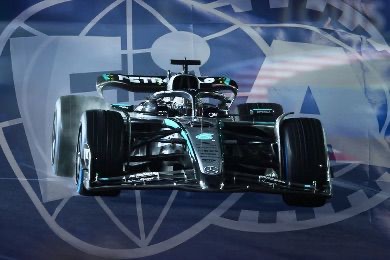
In a surprising turn of events following the conclusion of the 2026 Formula One Japanese Grand Prix, the Fédération Internationale de l’Automobile (FIA) reportedly introduced a dramatic late ruling that affected Mercedes, adding another layer of controversy to an already eventful race weekend. The Suzuka race itself had already delivered intense on-track drama, strategic twists, and significant implications for the championship standings, but the post-race developments ensured that discussions extended well beyond the chequered flag.
The race was initially celebrated as a major success for Mercedes, particularly due to the outstanding performance of their young driver, Kimi Antonelli. The Italian teenager secured victory in dominant fashion, marking his second consecutive win and elevating himself to the top of the drivers’ championship standings. His achievement was historic, as he became the youngest driver ever to lead the Formula One world championship. Antonelli’s triumph was not without challenges, however, as he had a difficult start and temporarily lost positions before benefiting from a well-timed safety car period.
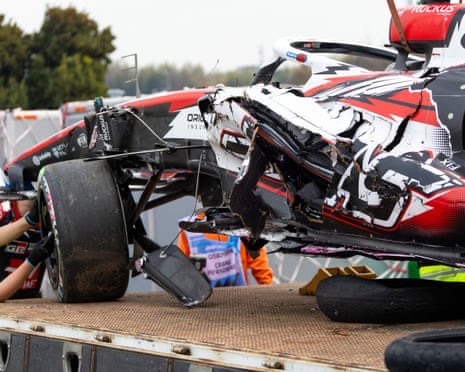
The safety car, which ultimately played a decisive role in the race outcome, was triggered by a high-speed crash involving Haas driver Oliver Bearman. The incident occurred when Bearman attempted an overtake and lost control of his car, resulting in a violent collision with the barriers. Although the crash looked severe and raised immediate concerns, Bearman was fortunate to escape with relatively minor injuries.
This interruption reshaped the race strategy for several teams. Antonelli capitalized on the neutralized race conditions to make a perfectly timed pit stop, allowing him to leapfrog competitors and assume the lead. From that point onward, he maintained control and eventually crossed the finish line with a comfortable margin over McLaren’s Oscar Piastri, while Ferrari’s Charles Leclerc completed the podium.
Despite the apparent clarity of the race results, the situation became more complex after the event concluded. Reports began to emerge suggesting that the FIA had reviewed certain aspects of Mercedes’ performance and compliance with technical or sporting regulations. This review allegedly led to a late penalty decision, casting doubt on the final classification and sparking debate among fans, analysts, and teams alike.
While full official details surrounding the specific nature of the penalty were not immediately clear, such post-race rulings are not unprecedented in Formula One. The FIA often conducts detailed analyses after races, examining telemetry, pit stop procedures, and adherence to regulations. If any irregularities are discovered, penalties can be applied even after podium celebrations have taken place, sometimes resulting in changes to finishing positions or points allocation.
The timing of the alleged penalty added to the controversy. Fans and stakeholders expressed frustration over decisions that alter race outcomes hours after the event, arguing that it diminishes the immediacy and excitement of the sport. Others, however, defended the FIA’s rigorous approach, emphasizing the importance of enforcing rules consistently to ensure fairness and integrity within the championship.
Adding further context to the unfolding situation was the broader atmosphere surrounding the Japanese Grand Prix weekend. The race had already been marked by discussions about safety, particularly in light of Bearman’s crash. Drivers and team representatives voiced concerns about the current regulations, especially regarding speed differentials caused by hybrid energy deployment systems. These concerns prompted calls for the FIA to review and potentially adjust the rules to prevent similar incidents in the future.
Mercedes, as one of the leading teams in the sport, found itself at the center of attention not only for its on-track success but also for the scrutiny that followed. The team has historically been involved in several high-profile regulatory investigations, reflecting both its competitive edge and the fine margins within which Formula One teams operate. Even minor infractions—whether related to technical specifications, pit lane procedures, or race conduct—can lead to significant consequences.
The possibility of a late penalty raised questions about how such decisions might impact the championship battle. Antonelli’s victory had already shifted the standings, placing him ahead of his teammate George Russell and signaling a potential intra-team rivalry for the title. Any alteration to the results could influence not only individual rankings but also the constructors’ championship, where every point is crucial.
From a broader perspective, the incident underscores the complex nature of modern Formula One. The sport combines cutting-edge technology, intricate regulations, and split-second decision-making, creating an environment where outcomes are shaped by both performance and compliance. Teams must balance pushing the limits of innovation with adhering strictly to the rules, knowing that any deviation can lead to penalties.
For fans, the situation serves as a reminder that Formula One races do not always end when the cars cross the finish line. The official classification can remain provisional until all investigations are completed, and late changes—though sometimes controversial—are part of the sport’s regulatory framework.
In conclusion, the aftermath of the Japanese Grand Prix highlighted both the excitement and the unpredictability of Formula One. While Antonelli’s victory initially stood as a testament to his talent and Mercedes’ strength, the subsequent FIA intervention introduced uncertainty and debate. Whether viewed as a necessary enforcement of rules or an unwelcome disruption to the spectacle, the episode reinforces the importance of governance in maintaining competitive balance within the sport. As the season progresses, all eyes will remain on both the track and the stewards’ room, where decisions can be just as impactful as the racing itself.