The Fédération Internationale de l’Automobile (FIA) has officially announced a significant adjustment to the Formula 1 qualifying format ahead of the highly anticipated 2026 season, marking a notable change in how grid positions will be determined during qualifying sessions. This development has emerged as a direct consequence of structural changes to the sport — particularly the expansion of the grid and the introduction of new teams for the upcoming championship year.
The global motorsport governing body, in response to Formula 1’s evolving landscape, has confirmed that qualifying procedures will undergo a targeted modification in order to fairly accommodate an expanded driver lineup. While the essence of the familiar three-stage knockout qualifying format will be retained, there will be key tweaks to the way drivers are progressively eliminated throughout qualifying. These changes reflect both competitive balance concerns and logistical needs that come with a larger field of competitors on race weekends.
What’s Changing and Why
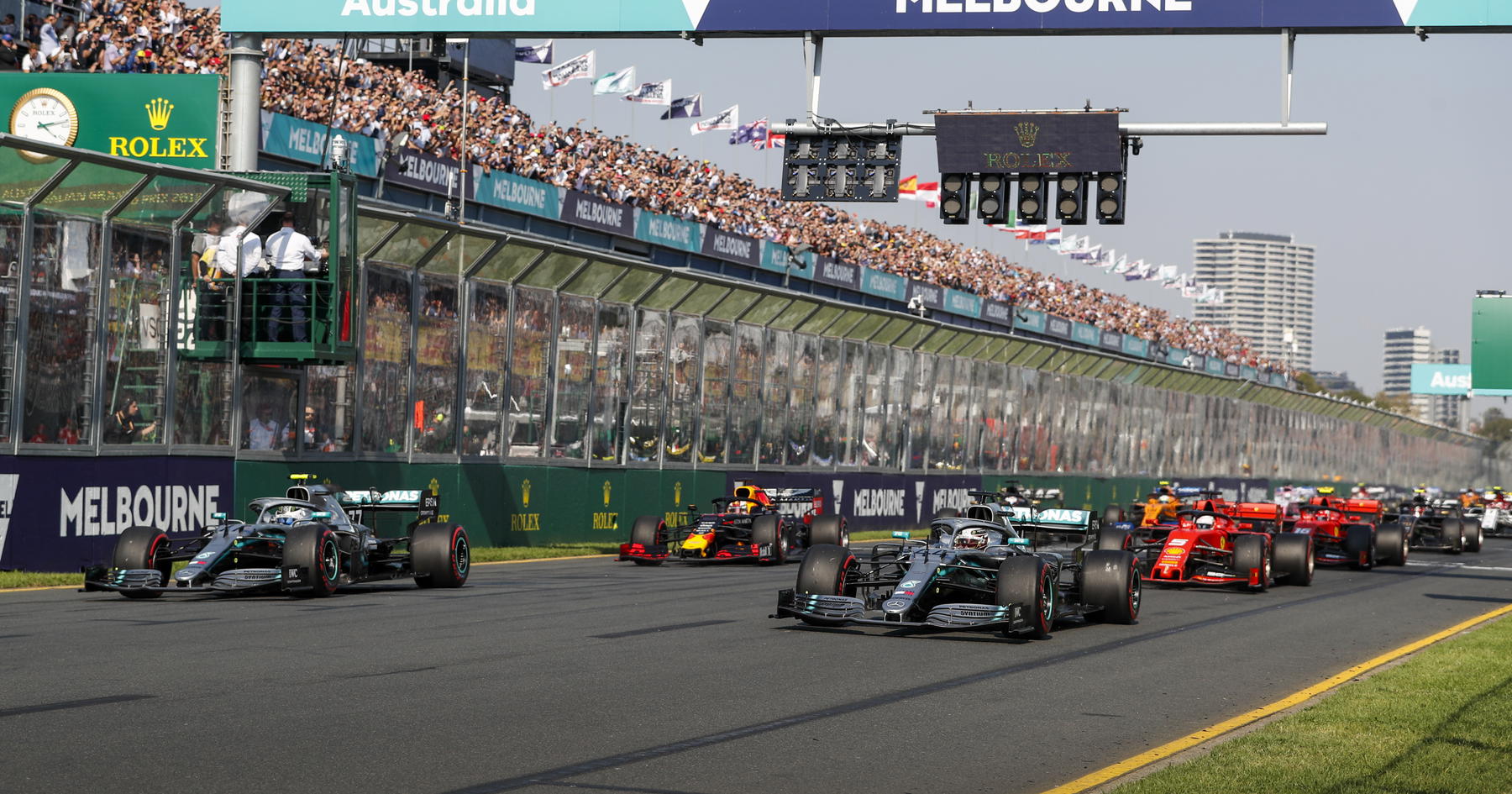
For many years, Formula 1 qualifying has followed a structure that fans and teams know well. The session traditionally consists of three segments: Q1, Q2, and Q3. In a typical qualifying session under the current system, five drivers are eliminated at the end of each of the first two segments (Q1 and Q2), leaving ten drivers to battle it out for pole position in the final shootout of Q3. This format has been a staple of modern F1 and is designed to balance entertainment value with competitive fairness.
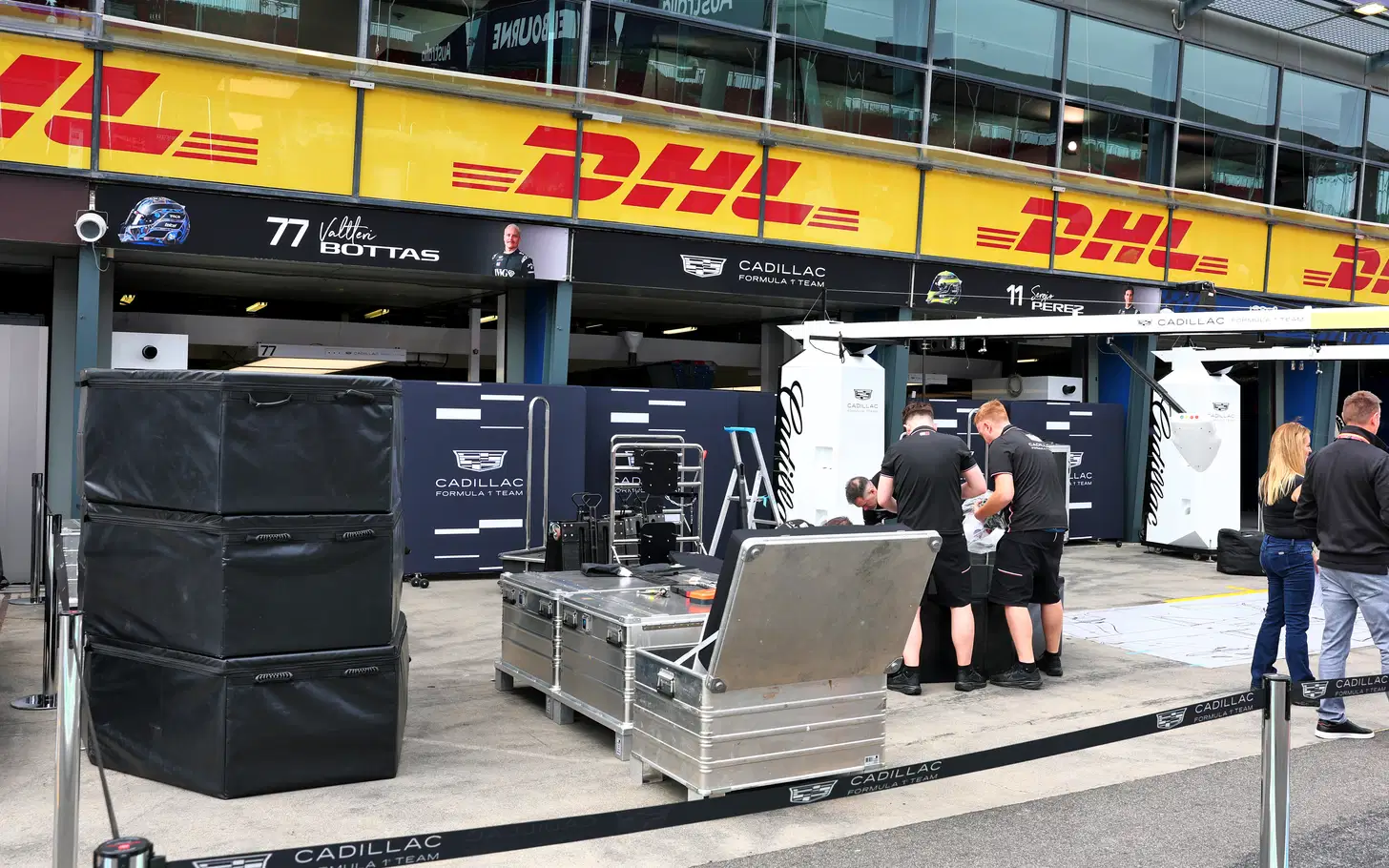
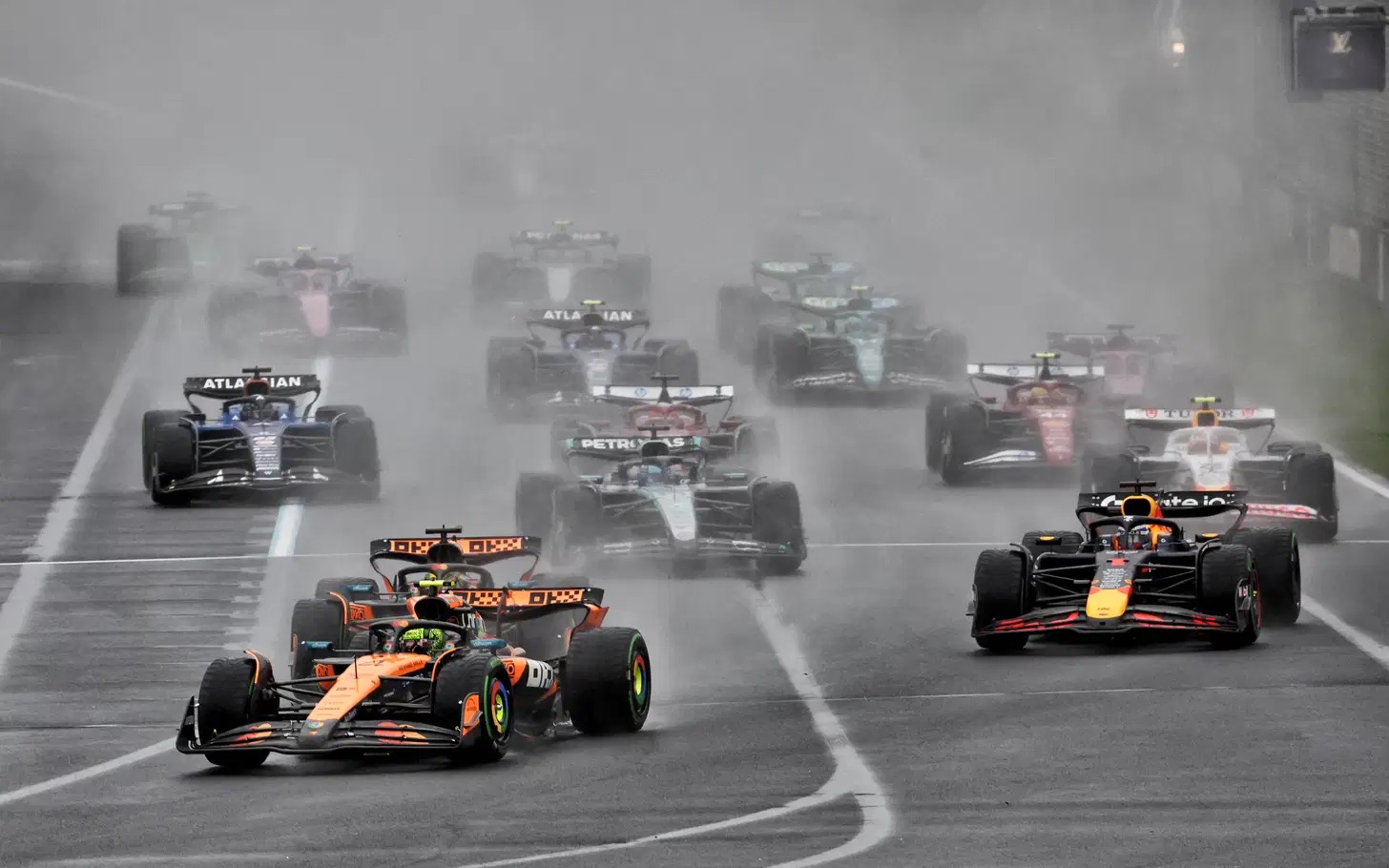
However, ahead of the 2026 season, changes to team lineups and grid size have necessitated a rethink. With Cadillac announced as a brand-new entrant and Audi taking over the Sauber operation, Formula 1’s entry list will grow back to 11 teams and 22 drivers — a configuration not seen since the 2016 season. The presence of two additional competitors presents a practical challenge for the FIA: how to ensure qualifying remains efficient and competitive without drastically altering the existing format or session times.
Rather than extending the duration of qualifying or expanding the final shootout, the FIA opted for a solution that maintains the familiar rhythm of sessions while adjusting the elimination structure. This ensures that ten drivers will still advance to Q3 — preserving the drama and prestige of the pole position battle — but more drivers will be knocked out in the earlier rounds so that the math works with a larger grid.
New Qualifying Elimination Structure
Here’s how the updated elimination rules will work:
Q1 (18 minutes): All 22 drivers will go out on track and attempt to set their best times. At the end of the session, six drivers — instead of five — will be eliminated from further participation in the qualifying session. This leaves 16 drivers advancing to Q2. Q2 (15 minutes): The remaining 16 cars will go back out on track after a short break. At the end of this session, again six drivers will be eliminated, leaving the top 10 competitors to proceed to Q3. Q3 (12 minutes): The final session will feature the fastest ten drivers fighting it out for grid positions at the front of the grid. Q3 remains largely unchanged in structure and duration, with the fastest driver earning pole position.
Importantly, while the number of drivers eliminated in the early sessions increases, the durations of Q1, Q2, and Q3 remain unchanged. The FIA has made it clear that this adjustment is a targeted and limited tweak, designed specifically to accommodate the expanded grid without disrupting the established qualifying timetable or flow.
Why This Matters
At first glance, a change in elimination numbers may seem like a minor procedural update. However, it has meaningful implications for teams and drivers alike. Qualifying sessions in Formula 1 are much more than preliminary time trials — they are high-stakes, high-pressure battles that can determine race strategies, tyre choices, and ultimately, race results. Even a small change in elimination thresholds can alter how teams manage their tyres, fuel loads, and track time, particularly when every fraction of a second counts.
Moreover, preserving the number of drivers reaching Q3 at ten maintains a sense of tradition and exclusivity around the final part of qualifying. Q3 is often the most exciting and strategic session of qualifying weekend, where the fastest cars and drivers fight for the prime grid positions that can make or break their race day prospects. By keeping Q3 at ten cars — even with an expanded grid — the FIA seeks to keep the climax of qualifying engaging and competitive without diluting its significance.
Broader Context: A Year of Change
This qualifying update comes against the backdrop of a much broader regulatory revolution in Formula 1. The 2026 season is set to be one of the most transformative years in recent memory, not just because of expanded entries, but also due to sweeping technical regulation changes. These include revisions to power unit specifications, aerodynamic regulations, and even new approaches to how cars generate downforce and manage airflow. Combined, these shifts represent a major evolution in how F1 cars are designed, built, and raced.
The qualifying changes also reflect wider efforts by the FIA to refine and optimize race weekend procedures more generally. Alongside the qualifying tweaks, there have been discussions about how red flags should affect session timing, how sprint formats might be revisited, and how practice sessions could be adjusted to better serve teams and fans alike. These ongoing refinements underscore the FIA’s commitment to responsive governance — adjusting old formats where needed while preserving the core elements that make Formula 1 uniquely thrilling.
Looking Ahead
As Formula 1 heads into 2026, fans and teams alike will be watching closely to see how the sport adapts to its expanded grid and regulatory shakeup. The qualifying format change, though procedural in nature, signals the sport’s willingness to evolve, balancing tradition with practical demands and competitive fairness.
In the end, this modification ensures that even as Formula 1 grows and changes, the heartbeat of the race weekend — the battle for pole position — remains just as intense and compelling as ever. And with new teams, new technology, and a new era on the horizon, the stage is set for a thrilling season of racing ahead.