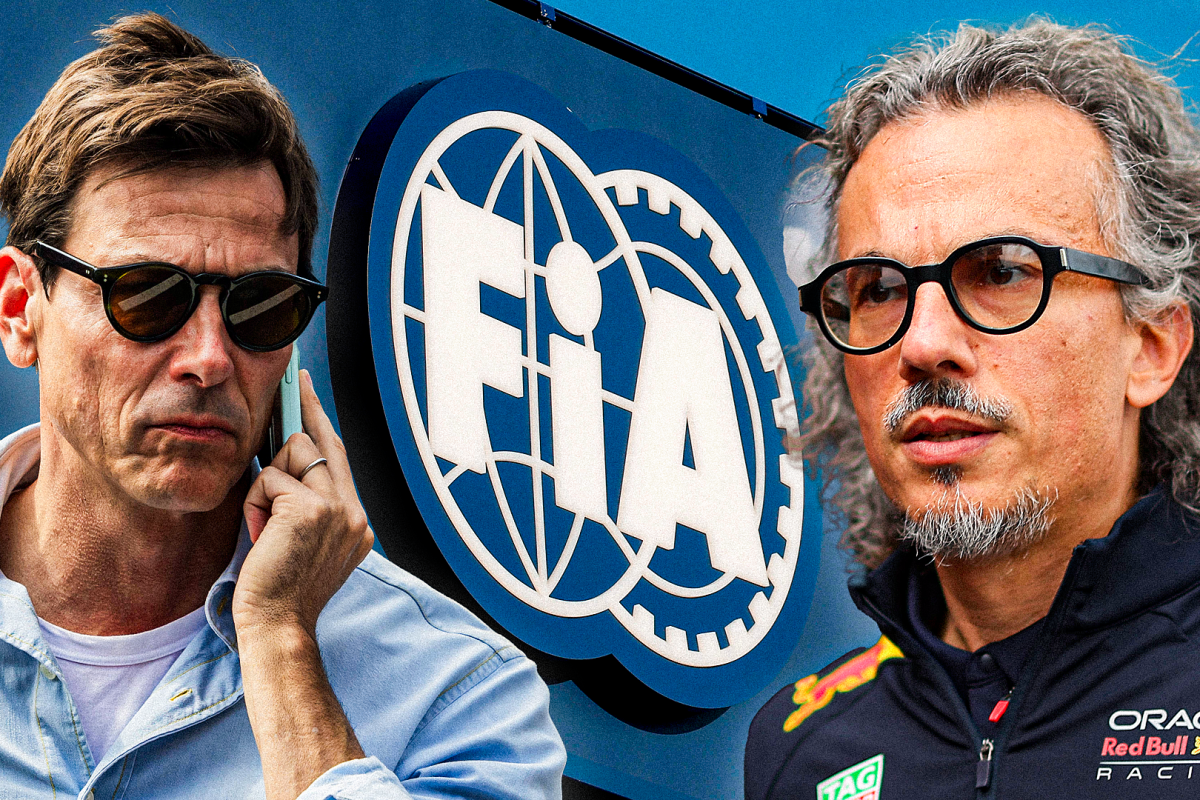
FIA Keen to Prevent Legal Disputes as 2026 F1 Engine Controversy Escalates
The FIA has moved to play down fears of legal action ahead of the 2026 Formula 1 season amid rising tensions over a controversial engine development, with senior officials stressing their desire to avoid courtroom battles once racing begins.
Nikolas Tombazis, the FIA’s single-seater technical director, has acknowledged the growing unease among manufacturers but insists the governing body is confident the situation will not lead to protests or legal challenges following the opening race of the new regulations.
The dispute centres on claims that Mercedes High Performance Powertrains — and potentially Red Bull Powertrains — have found a way to push beyond the FIA’s mandated limits on engine compression ratios for the 2026 power units. Under the regulations, the maximum permitted compression ratio is set at 16:1. However, reports suggest certain manufacturers may have developed a system that allows the ratio to effectively rise to as much as 18:1 under racing conditions.
If proven, such a development could provide a notable competitive advantage. Estimates suggest the performance gain could be worth up to three tenths of a second per lap at circuits like Melbourne, translating to over 17 seconds across a full race distance — a margin that could dramatically influence race outcomes.
The controversial aspect of the alleged innovation lies in how the compression ratio is measured. While checks conducted at ambient pit-lane temperatures would show compliance with the 16:1 limit, it is believed that expanding materials inside the engine could alter the ratio once the power unit reaches operating temperatures on track. This change would be extremely difficult to detect using current testing methods.
Unsurprisingly, rival manufacturers have expressed strong dissatisfaction. Ferrari, Honda, and Audi — all key engine suppliers under the 2026 regulations — are reportedly unhappy with the situation and have raised concerns with the FIA. A high-level meeting between stakeholders is scheduled for Thursday, January 22, with the aim of resolving the issue before it escalates further.
One of the potential outcomes being discussed is a tightening of the regulations from 2027 onward, although this would do little to address any competitive imbalance should it exist during the first season of the new rules.
Speaking to Reuters at the Autosport Business Exchange, Tombazis acknowledged the intensity of the debate but urged caution against overreaction.
“Everyone involved is extremely competitive and passionate,” he said. “When emotions run high, it can sometimes lead to people believing their viewpoint is the only valid one. The reality is often more complex, and that’s where the FIA’s role is to provide clarity and balance.”
Tombazis also sought to downplay the scale of the issue, suggesting it may not be as significant as recent media coverage has implied.
“I don’t believe this is as big a problem as it’s currently being portrayed,” he added.
When asked directly about the possibility of a protest being lodged at the Australian Grand Prix — the opening round of the 2026 season — Tombazis expressed confidence that such a scenario would be avoided.
“I think we will be OK,” he said. “Our priority is to ensure that we go racing without controversy. The last thing anyone wants is to be dealing with hearings and legal disputes after the first race.”
The FIA’s stance highlights its determination to protect the credibility of the new technical era, which represents one of the most sweeping changes in Formula 1 history. With radically redesigned power units and a renewed focus on sustainability, the governing body is keen to ensure the spotlight remains on competition rather than litigation.
As discussions continue behind closed doors, the coming weeks will be critical in determining whether compromise can be reached — or whether this technical disagreement will cast a shadow over Formula 1’s much-anticipated new chapter.