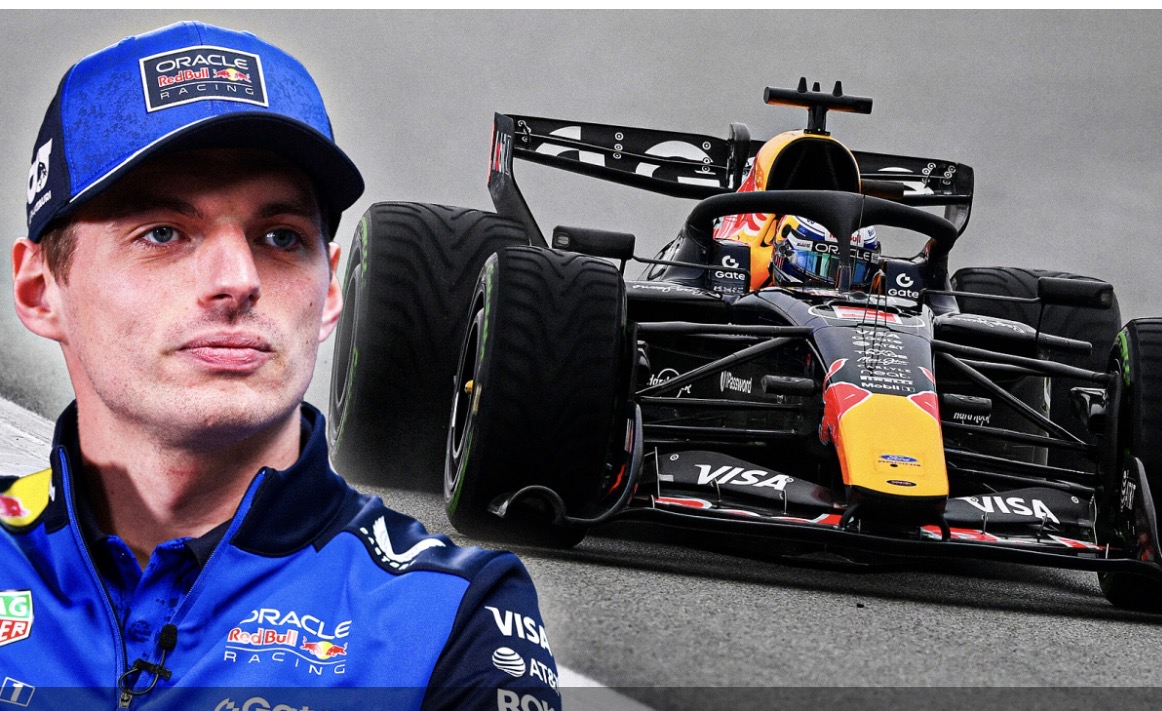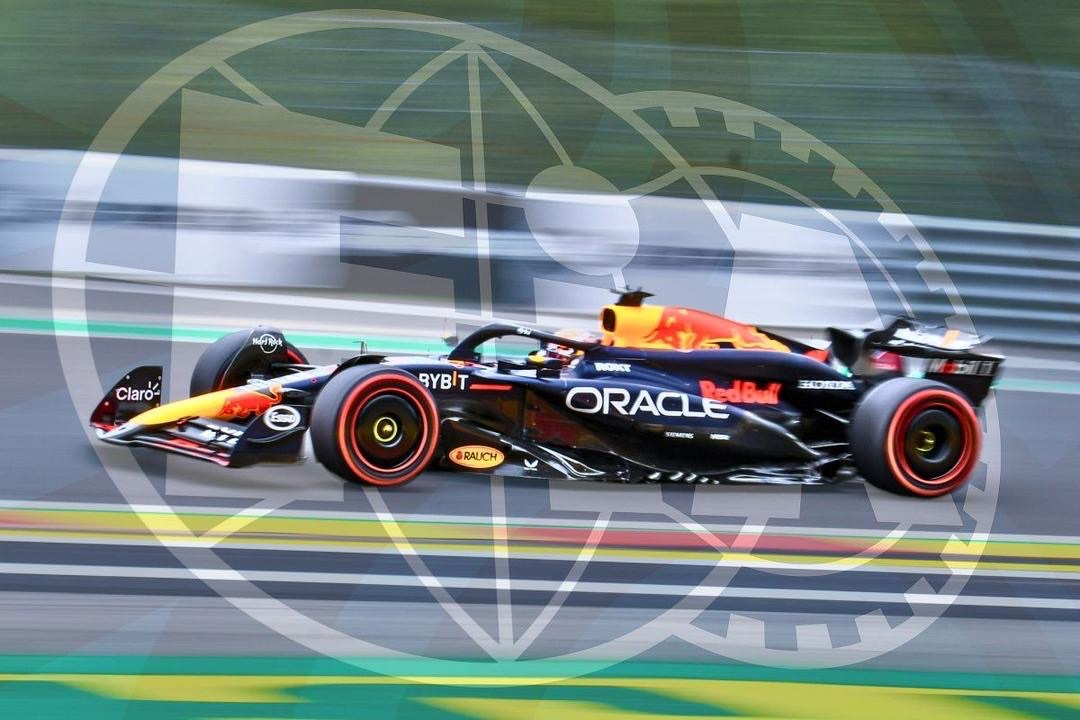
The Fédération Internationale de l’Automobile (FIA) has released an authoritative update addressing the mounting debate involving Red Bull and Mercedes surrounding alleged exploitation of technical regulations, particularly as the sport prepares for a major overhaul of the Formula 1 power unit rules for 2026. This latest announcement represents another step in the FIA’s ongoing efforts to refine and enforce regulatory clarity amid persistent concerns that teams may be finding ways to interpret the rules in ways that edge toward unintended performance advantages.
At the centre of the discussion is the upcoming 2026 engine regulations, which are designed to standardise and tighten the technical framework governing Formula 1 power units. Under these new measures, some key elements of the engine — including compression ratios and fuel management systems — will be significantly restructured. Teams across the grid have been pushing into every conceivable regulatory grey area in the build-up to these changes, striving to optimise performance within what is legally permissible.
In recent weeks, both Red Bull and Mercedes have come under scrutiny following reports that they identified a clever technical interpretation related to the geometric compression ratio — a metric that fundamentally affects the efficiency and power output of an internal combustion engine. Traditionally, Formula 1 power units have operated with very high compression ratios, but the 2026 rules mandate a reduction for the purposes of aligning more closely with sustainability goals and to promote competition.
The controversy emerged when rumours began circulating that these two teams had developed techniques that allowed their engines to appear compliant with the new maximum static compression ratio on paper, while dynamically achieving ratios closer to the older, higher performance settings when running on track. This type of variable behaviour — if achievable — could potentially provide a meaningful performance gain of around 15 brake horsepower (BHP), a margin that in Formula 1 can translate to significant time advantages over the course of a lap and, cumulatively, through an entire race.
Understandably, such developments have raised eyebrows — and eyebrows not just among fans, but within rival teams. Audi, Ferrari, and Honda are reported to have pressed the FIA to interpret the rules in a way that disallows any such dynamic manipulation that could undermine the spirit of the regulations. They argued that permitting such techniques would effectively make a mockery of the new limits, giving certain manufacturers an edge before a single race under the new regime has been run.
In response to these concerns, the FIA took decisive action. It clarified the wording of the relevant technical regulations, expressly closing any loophole that could be interpreted to allow dynamic changes in compression ratio during competition conditions. The governing body’s update makes it abundantly clear that any variation — even if technically compliant during static tests — that results in effective performance gains on track cannot be tolerated. This new framework aims to ensure that teams engineer their power units not just to pass the letter of the test, but to respect the intended spirit and fairness of the rule itself.
The FIA’s latest clarification did not stop there. The governing body also addressed another possible area of regulatory ambiguity: the fuel-flow meter system in the new 2026 technical package. Under the current setup, Formula 1 gauges fuel use by limiting mass flow to a specific maximum, and similar controls will continue under the more advanced energy-based restrictions due next year. However, concerns were raised that teams might seek to gain an advantage by adjusting the temperature of the fuel-flow meter, which in turn could affect fuel density measurements and energy calculations.
Initially, the wording of the rules prohibited only “intentional” manipulation of the meter’s temperature. Critics noted that this provided wiggle room: by framing any changes as incidental or unavoidable, a team could potentially justify temperature fluctuations that nonetheless had performance implications. To preclude this interpretation, the FIA went further and removed the term “intentional” entirely from the prohibition, effectively banning any system or process — however posed — that alters the meter’s temperature from its standard state. This revision is designed to eliminate ambiguity and ensure that any potential performance gains deriving from such subtle influences are removed from competitive consideration.
Importantly, throughout its statement, the FIA stressed that these regulatory updates were preventative rather than accusatory. The governing body clarified that there is no conclusive evidence that either Red Bull or Mercedes had already exploited the loopholes in practice. Instead, its actions are aimed at closing gaps before they can become flashpoints for future disagreement or costly protests. By proactively refining the language and enforcement mechanisms of its rules, the FIA hopes to reduce friction among teams and preserve the competitive integrity of Formula 1 as it heads into one of the most significant technical transitions in the sport’s history.
The broader context for this intervention is the sport’s ongoing struggle to find the right balance between technical innovation and regulatory fairness. Formula 1 has long been a battleground where engineering ingenuity pushes the boundaries of existing rules — and at times exposes areas in which those rules were not originally conceived to function. This cycle of innovation, followed by regulatory oversight and subsequent refinement, has recurred throughout the sport’s modern era.
Teams will now have to navigate the remainder of the 2025 season and prepare for 2026 with fresh clarity on what constitutes acceptable design practices under the revised power unit regulations. Given the tight margins and intense competition characteristic of Formula 1, even theoretical advantages — like those envisaged in the compression ratio debate — prompt stringent scrutiny. The FIA’s latest statement reinforces its commitment to ensuring that technological creativity does not undermine competitive equity, and that the regulations governing the pinnacle of motor sport are interpreted and applied consistently.