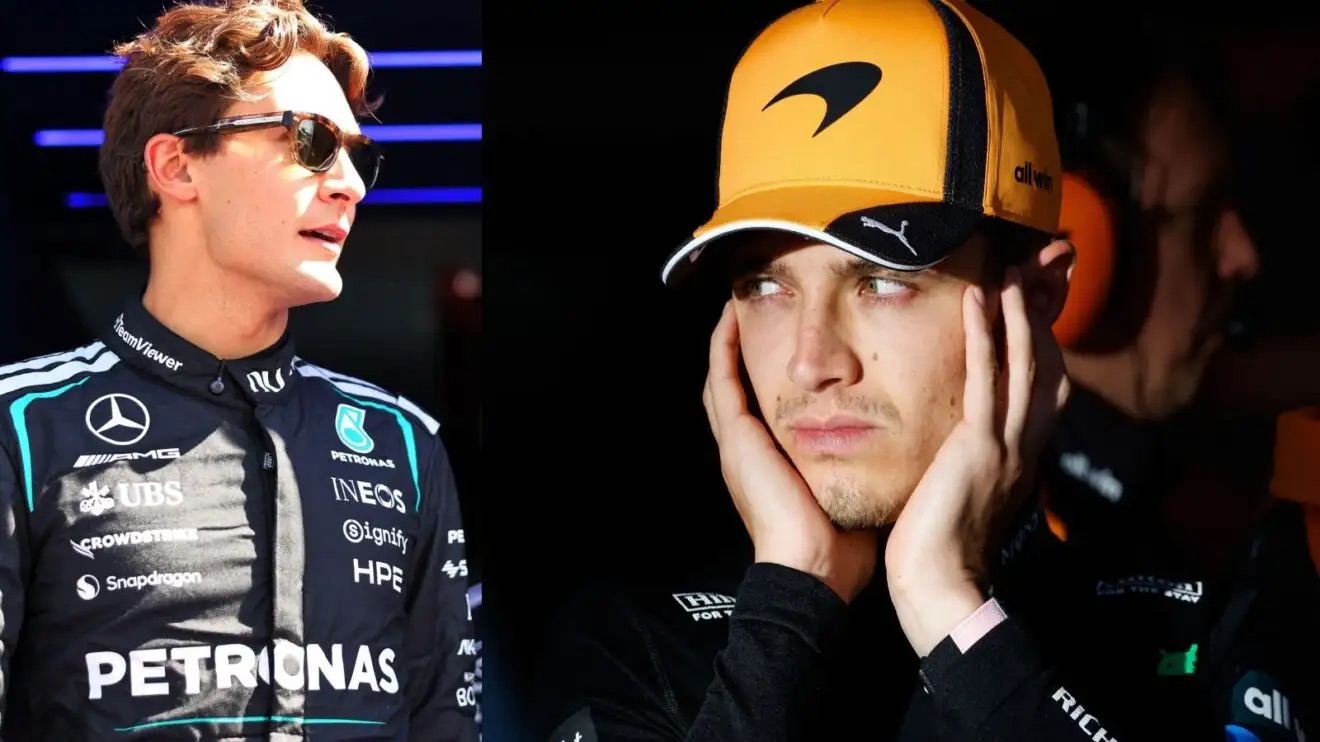
The beginning of the 2026 Formula 1 season has sparked significant debate among drivers about the sport’s new regulations and the performance of the latest generation of cars. One of the most outspoken critics has been reigning world champion Lando Norris, who has described the new machines as the “worst cars” Formula 1 has ever produced. However, Mercedes driver George Russell has responded to those claims, suggesting that Norris’s criticism might be influenced by his current results rather than purely by the quality of the cars themselves.
The controversy intensified after the season-opening Australian Grand Prix in Melbourne. Norris endured a challenging race weekend and eventually finished fifth, more than fifty seconds behind the race winner Russell. Following the event, Norris voiced strong dissatisfaction with the new 2026 Formula 1 regulations, arguing that the latest cars have dramatically reduced the driving enjoyment compared to previous seasons.
According to Norris, Formula 1 has gone from producing some of the best race cars in the sport’s history to what he considers the worst. His main frustration stems from the new power unit regulations introduced for the 2026 season. The updated engines feature an almost equal distribution of power between the internal combustion engine and electrical energy systems. In Norris’s opinion, this 50/50 balance does not work well in practice and makes the cars more difficult and less satisfying to drive.
One of the key issues Norris highlighted concerns energy management during races. Drivers must carefully monitor how and when they deploy electrical power from the battery. This requirement forces them to divide energy usage across different parts of the circuit rather than focusing entirely on maximizing speed and performance. Norris believes this approach makes overtaking feel artificial and detracts from the pure racing aspect that traditionally defines Formula 1.
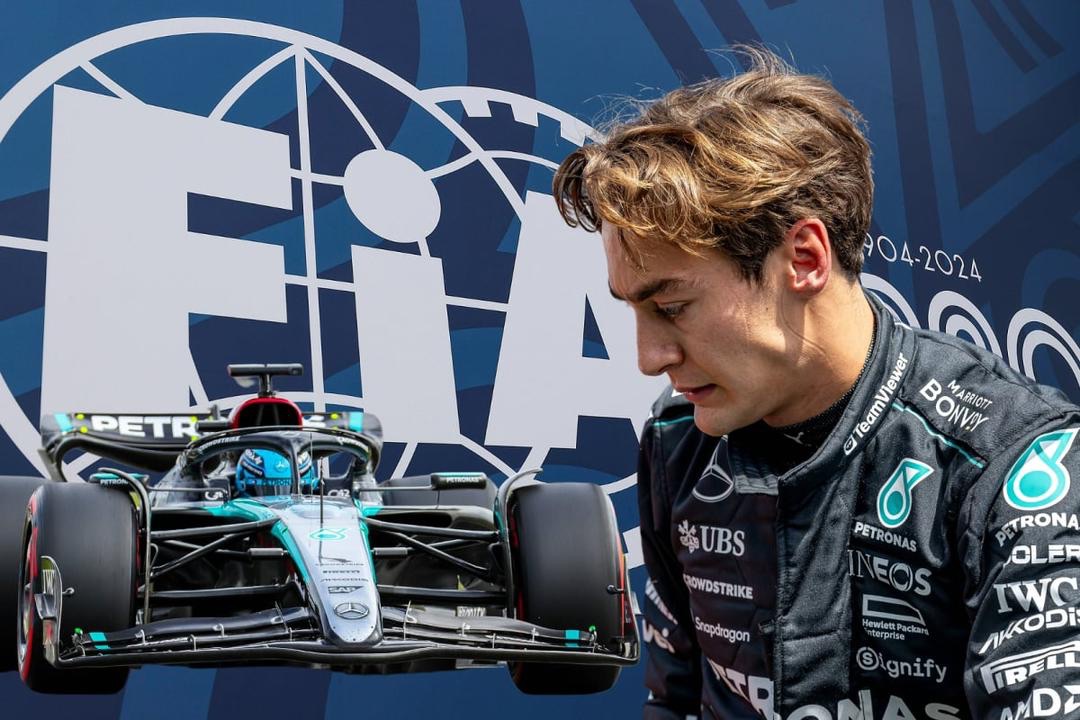
Russell, however, took a different view when responding to Norris’s remarks. After winning the Australian Grand Prix, the Mercedes driver suggested that Norris might not be complaining so strongly if he were still dominating races. In Russell’s opinion, drivers often judge regulations differently depending on whether the rules benefit or hinder their team’s performance.
Russell pointed out that when certain teams have a competitive advantage, their drivers tend to be less vocal about potential problems with the cars or the regulations. He recalled how previous technical issues in Formula 1 sparked similar debates. For instance, during the ground-effect era, some teams complained about severe “porpoising,” a phenomenon in which cars bounced violently at high speeds due to aerodynamic instability. Russell claimed that while Mercedes drivers frequently raised concerns about the discomfort and physical strain caused by this issue, drivers from other teams—including McLaren—were less outspoken at the time.
By drawing this comparison, Russell suggested that complaints about technical regulations often reflect a driver’s current situation rather than a universally shared opinion. In his view, Norris and others may simply be frustrated because their teams have not yet adapted as successfully to the new rule set as Mercedes has.
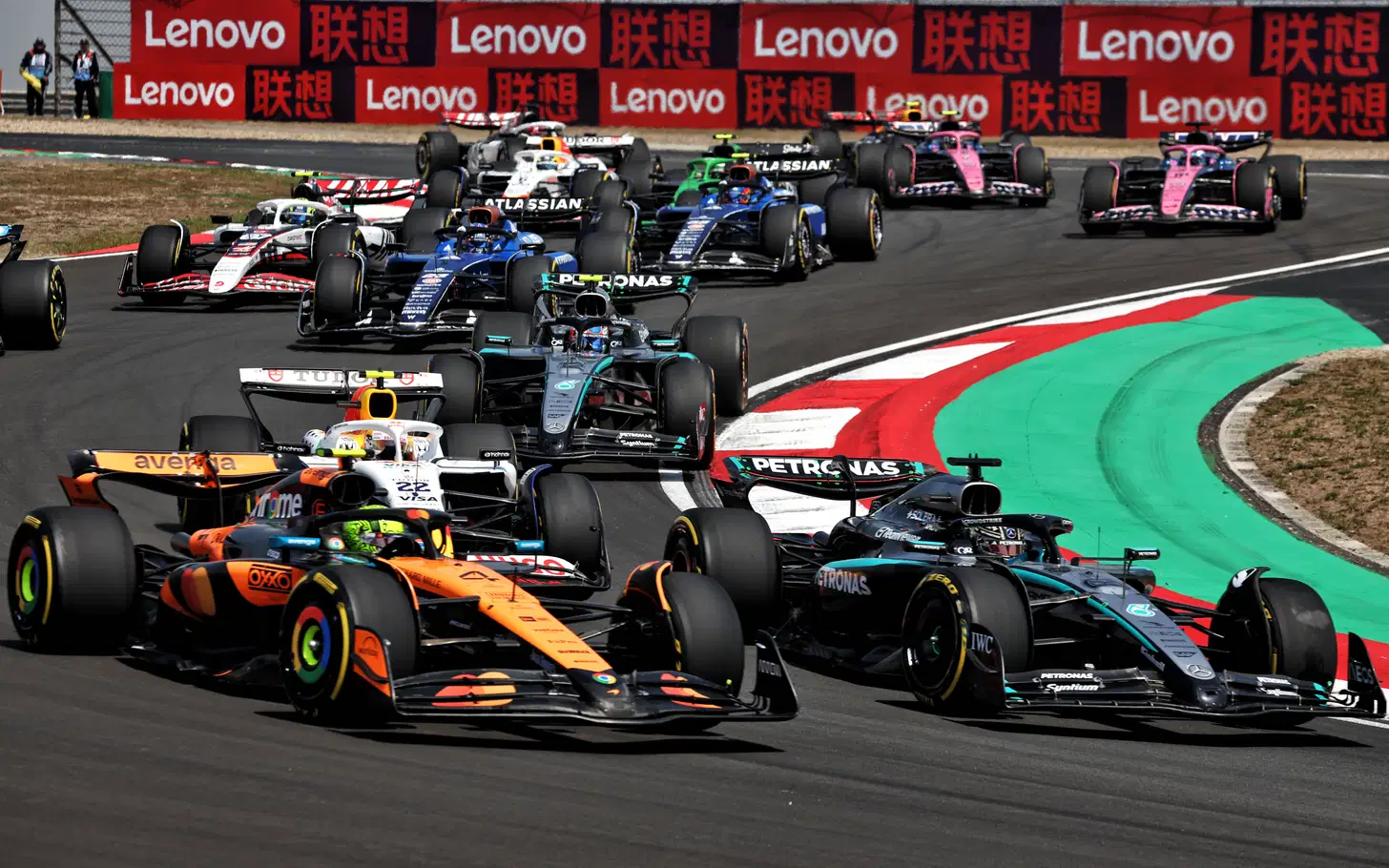
Russell also emphasized that it is still too early to judge the effectiveness of the 2026 regulations based on a single race weekend. He noted that different circuits present unique challenges and opportunities, meaning the behavior of the new cars could vary significantly from track to track. For example, he mentioned that the next race in Shanghai features a very long straight, which could change how drivers use their electrical energy deployment strategies compared with Melbourne.
Because of these differences between circuits, Russell believes that drivers and fans should wait until several races have taken place before forming a final opinion about the new cars. According to him, early reactions can sometimes be misleading because teams are still learning how to optimize performance under the updated rules.
Another point Russell raised concerns the broader debate about racing quality in Formula 1. He noted that fans and drivers often want different things at the same time. When cars are extremely stable and easy to drive, drivers tend to be satisfied with their machinery. However, such conditions can sometimes lead to less exciting racing for spectators because overtaking opportunities may be limited. Conversely, when cars are more challenging to handle, drivers may complain, yet the racing itself can become more dramatic and entertaining.
Russell argued that Formula 1 cannot always deliver both perfectly comfortable cars and thrilling on-track action simultaneously. Therefore, he believes the sport should give the new regulations time to evolve before making drastic judgments.
Despite the criticism, the opening race of the 2026 season demonstrated that teams are still in the early stages of understanding the new technical package. Mercedes appeared to adapt particularly well, securing a dominant performance in Melbourne with Russell taking victory. Meanwhile, McLaren struggled to match that pace, which may have contributed to Norris’s frustration.
Beyond Norris, several other drivers have also raised concerns about the direction Formula 1 has taken with the latest rules. Some believe that the increased focus on electrical energy management and battery deployment is shifting the sport away from flat-out racing and closer to the style seen in electric series such as Formula E. These critics argue that drivers now spend too much time adjusting settings and managing energy instead of pushing their cars to the limit.
Nevertheless, supporters of the new regulations argue that the changes are necessary for the future of the sport. The updated hybrid engines are designed to improve efficiency and sustainability while reflecting technology that could influence future road cars. For Formula 1’s governing body and manufacturers, these goals are considered essential for maintaining the sport’s relevance in an era of increasing environmental concerns.
As the 2026 season continues, teams and drivers will gradually gain a better understanding of the new cars and how to extract maximum performance from them. Whether the criticism voiced by Norris proves justified or whether Russell’s more patient approach turns out to be correct will likely become clearer after several more races.
For now, the debate highlights a familiar aspect of Formula 1: whenever major technical changes are introduced, they almost always generate strong reactions from drivers, teams, and fans. The true success or failure of the 2026 regulations will ultimately be judged not only by how enjoyable the cars are to drive, but also by the quality of racing they produce throughout the season.