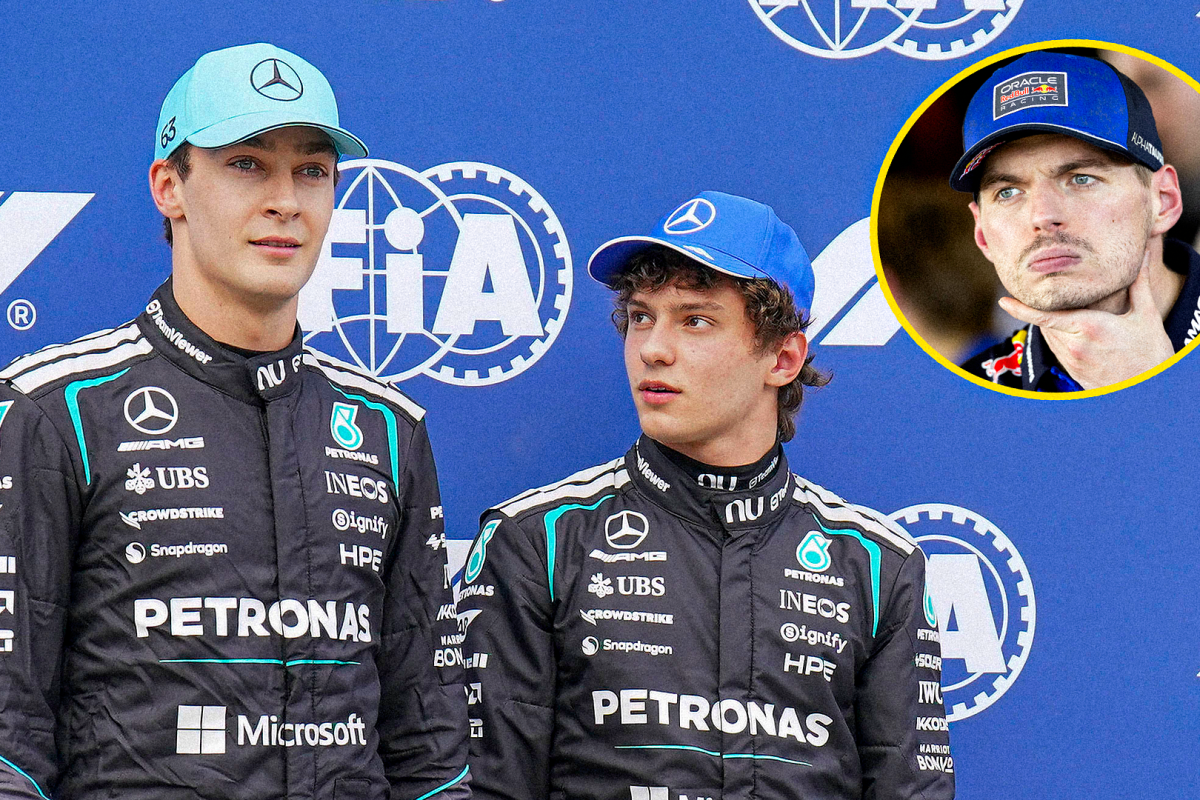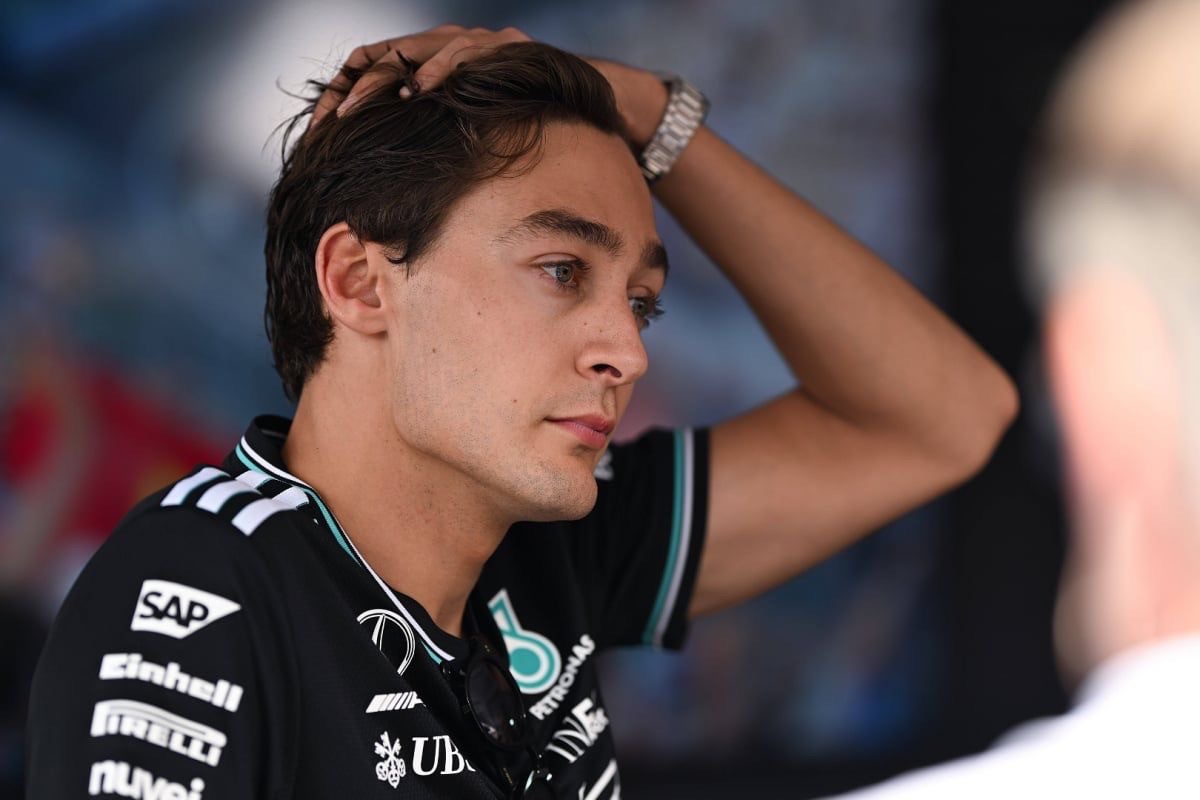
In recent days, George Russell has stepped into a growing debate about the direction of Formula 1’s technical rules ahead of the 2026 season, pushing back against sharp criticism from some rival drivers. Russell — who drives for Mercedes — has increasingly been at the centre of the conversation about the sport’s newest regulations, which many competitors feel have created excessive difficulty and complexity early in pre-season testing.
At a media gathering during the second official test of the new year in Bahrain, Russell described the volume of negative reaction to recent changes as “premature heat,” suggesting that some of his colleagues may have been too quick to judge the new rules before truly understanding how they function in practice. His comments reflect a broader debate among drivers in the Formula 1 paddock as teams and competitors adapt to sweeping technical changes designed to evolve the sport.
Why Russell Spoke Up
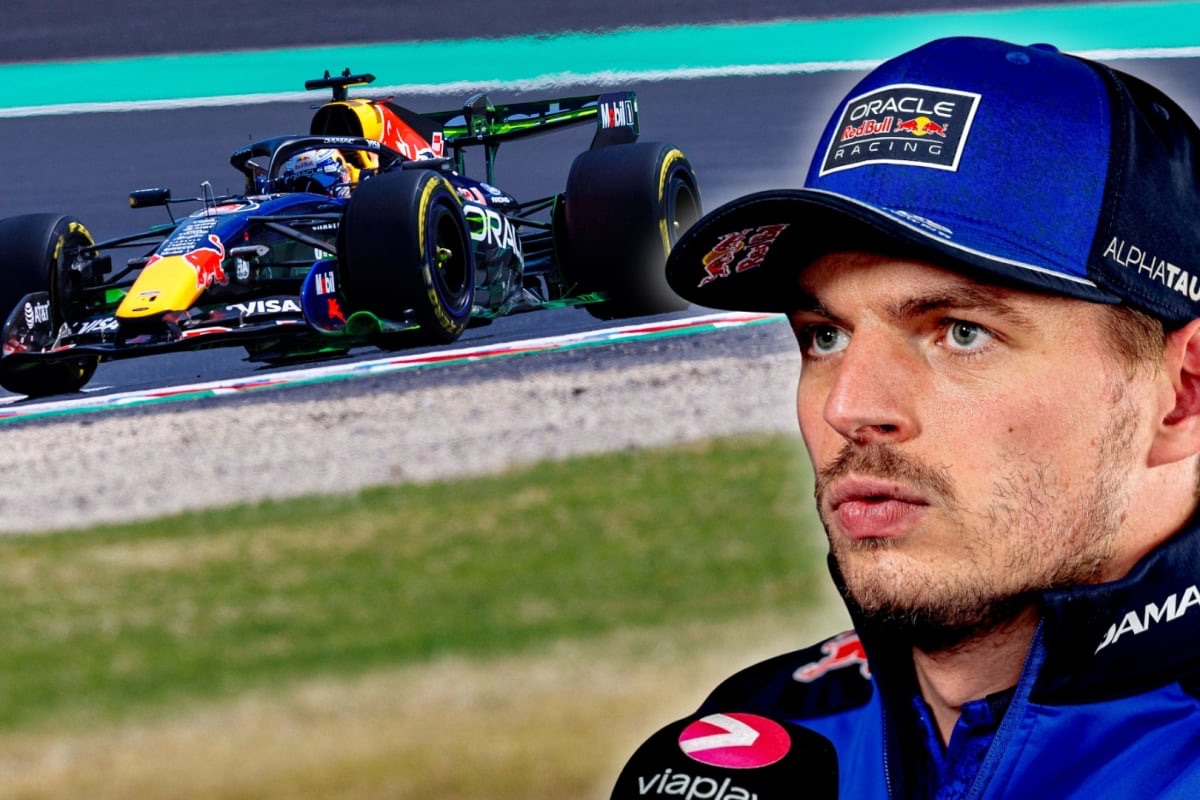
Russell’s comments came in direct response to heavy criticism coming from several well-known drivers about the latest configuration of F1 cars. Among the most vocal critics has been Max Verstappen — the reigning world champion — who described the new cars as “anti-racing” and went so far as to compare them to “Formula E on steroids” due to the significant focus on energy harvesting and management that the updated power unit regulations demand. Verstappen’s critique has resonated widely online and in media reports, sparking intense scrutiny of the rule changes.
In response to that criticism, Russell has pushed back, not by dismissing his peers’ opinions entirely, but by urging patience and a more measured view. He notes that whenever there is a fundamental overhaul of technical rules in motorsport, especially in Formula 1, the early stages are always challenging and often poorly understood. Because teams are entirely recalibrating how they design, set up, and drive their cars, the evolution of performance tends to happen rapidly — but not instantaneously.
A Broader Look at the New Regulations
The 2026 rule changes that are being rolled out include major adjustments to aerodynamics, hybrid power unit management, and overall car architecture. The aim from the FIA and commercial rights holders was to improve the racing spectacle and push technologies that could both enhance competition and align with broader sustainability goals. However, early practice sessions have shown that these changes also bring challenges. The cars behave differently from their 2025 predecessors, very small details can have significant effects, and energy usage throughout a lap has become a far more complex balancing act for drivers.
While some drivers have reacted negatively — saying that such energy management detracts from traditional racing and makes it harder to drive aggressively or confidently — Russell believes that the sport needs more time to let teams and drivers comprehend what these cars are capable of and to refine their approaches. “Every ‘day one’ of a new set of regulations, you face challenges that you weren’t anticipating,” he said to RacingNews365 and other media. He stressed that the “rate of improvement” tends to be steep in the first stages of adjustment, meaning early criticisms might not reflect the full potential of the new cars.
Lap Times and Performance Trends
One of the key points Russell emphasized was how current cars compare with those from the end of the previous regulations era, which concluded at the end of last year. Despite many assumptions that the new machinery would be significantly slower or less competitive, Russell pointed out that lap times — particularly those recorded in testing — are reasonably close to what was achieved last season. Considering that last year was the fourth season of a stable set of technical rules, he believes this reflects promising progress and suggests that the new rules might not be as problematic as some critics claim.
He acknowledged that after the Barcelona shakedown and the opening work in Bahrain, some negative comments were understandable — but he described them as “a little bit premature” given that understanding of the cars’ limits and strengths is still developing. As tests have progressed, the volume of criticism has softened somewhat, and a growing number of drivers seem to be warming to the regulations or at least acknowledging improvements.
Inside the F1 Community
It’s important to place Russell’s remarks in the context of a broader shift in how the F1 community is reacting. Many drivers, engineers, and team principals now acknowledge that early testing is not a reliable indication of how the season will unfold. Teams are concentrating on gathering data, refining settings, and building confidence rather than outright pace, meaning that early readings on speed or drivability could be misleading. Russell’s comments echo this line of thinking — arguing that within months of further development, the current issues could look very different.
Meanwhile, the F1 Commission — a governing body that includes representatives from teams, the FIA, and commercial bosses — recently met to discuss some of the concerns raised by competitors. This suggests that the sport’s officials are listening to feedback and are prepared to refine or clarify rules as necessary before the championship begins in earnest.
Why This Matters for F1’s Future
The debate unfolding now signals something important about the future trajectory of Formula 1. When changes are made that affect how cars behave on track, how drivers need to manage energy, and how teams approach their engineering work, it inevitably sparks discussion about what F1 should prioritize: pure racing excitement, technological innovation, long-term sustainability, or a combination of all three.
Russell’s argument is essentially that judging the success of the 2026 regulations after only a few days of testing would be unfair. Instead, he advocates for a more gradual assessment that considers how teams adapt and how racing evolves over the coming months. Whether the sport finds a consensus remains an open question, but Russell’s voice has added a thoughtful, measured perspective to the debate.