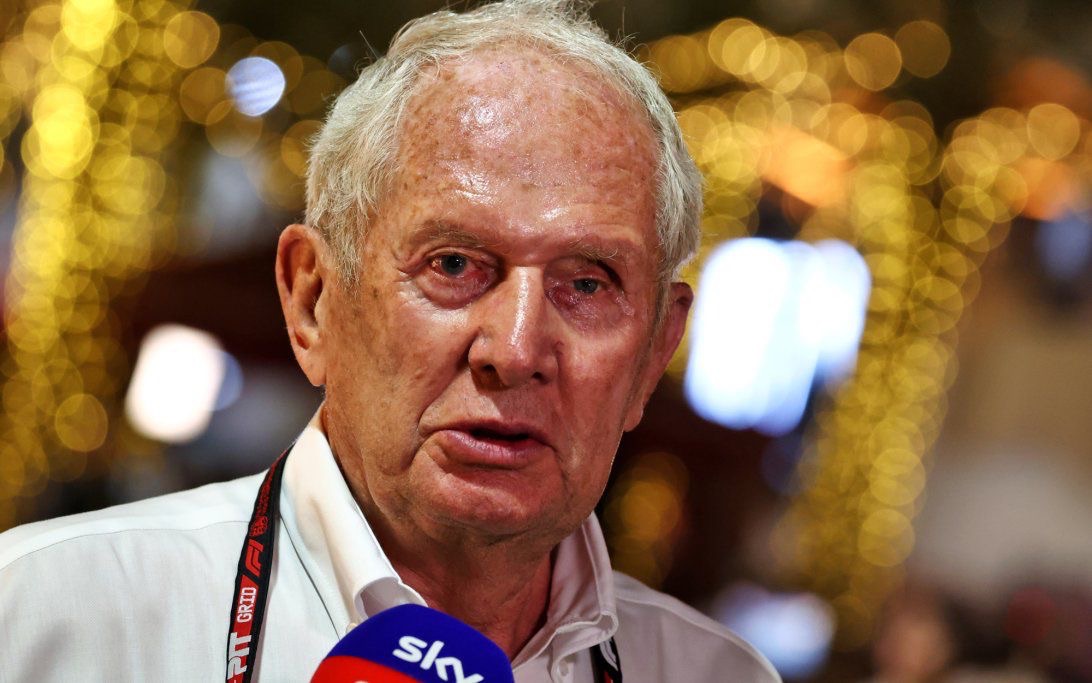
Helmut Marko Ends Any Possibility of Returning to Formula 1 — A New Chapter Begins
Helmut Marko, one of the most influential figures in modern Formula 1 history, has formally ruled out any possibility of returning to the Formula 1 paddock after his departure from Red Bull Racing at the end of the 2025 season. At 82 years old, Marko’s official announcement has put an unambiguous end to lingering rumors that he might resurface in the sport with another team. After decades of shaping Red Bull’s identity and success, his exit marks a historic shift in F1 leadership and strategy.
Marko’s departure from the sport was confirmed following the conclusion of the 2025 F1 season, where he stepped down from his role as Red Bull’s motorsport advisor. His influence at Red Bull stretched across more than 20 years, during which time the team transformed from an underdog to a dominant force in Formula 1. As soon as his exit was announced, speculation quickly spread throughout the paddock about whether he might return—either with another constructor or in some advisory capacity. But what began as whispers soon faded as Marko made his stance clear: he will not be returning to Formula 1 in any official racing capacity.
A Legacy Rooted in Driver Development and Aggressive Strategy
Helmut Marko’s Formula 1 story did not begin at Red Bull. Long before the energy drink brand entered F1, Marko founded his own racing team, RSM Marko, in 1984. This operation eventually became a crucial springboard for Red Bull when the brand expanded into motorsport in the early 2000s. Once Red Bull acquired the team and brought Marko into their fold in 2005, he became the chief architect of one of the most effective driver development systems within the sport.
Under Marko’s guidance, Red Bull’s junior programme became a powerhouse for discovering and nurturing young talent. His bold decisions helped launch the careers of multiple drivers who would later become Grand Prix winners and world champions. Among the biggest of these was Max Verstappen, whom Marko identified early as a future star. Marko’s confidence in the young Dutch driver, especially his promotion to Red Bull’s main racing team at only 18, would go on to shape modern F1 history. Verstappen later claimed multiple world championships and became the figurehead of Red Bull’s golden era.
Marko’s approach was unrelenting and sometimes controversial. He was known for his uncompromising standards and his willingness to take calculated risks on young drivers, pushing them into the spotlight before many others believed they were ready. This aggressive philosophy became a defining feature of Red Bull’s competitive identity, and for years, Marko’s judgment was proven right as his protégés succeeded at the highest levels of racing.
Retirement at 82: Marko’s Decision and Reflection
Following his exit, Marko has been open about the sense of relief that comes with stepping away from the daily pressures of Formula 1. In interviews with Austrian broadcaster ORF, he explained how retirement has given him a fresh perspective. Without the constant demands of team leadership, Marko says he no longer lies awake at night worrying about performance issues or race outcomes—something almost unimaginable after decades immersed in high-stakes competition.
Marko also made it clear that although he remains enthusiastic about the sport and intends to watch the 2026 season unfold with interest, his role is now entirely that of a spectator. The idea of returning to a team’s management structure or taking on a new position in the paddock is “out of the question,” he said, dismissing persistent rumors suggesting other teams had shown interest in his expertise. Despite describing some approaches as “obscure and interesting,” Marko confirmed that his loyalty and legacy remain firmly tied to Red Bull.
This declaration effectively ends speculation that Marko might return to Formula 1 with a rival outfit, a narrative that had gained traction among some fans and commentators due to his profound knowledge, extensive experience, and deep connections within the sport.
The End of an Era at Red Bull
Marko’s departure also aligns with a larger leadership transformation within Red Bull Racing. In recent seasons, several high-profile figures have exited the team. Most notably, Christian Horner, Red Bull’s longtime team principal, left earlier, followed by chief technical officer Adrian Newey and others close to the team’s core leadership structure. The cumulative effect of these departures signals a broader shift in how Red Bull will approach the new F1 era under the updated regulations beginning in 2026.
For many, Marko’s exit represents the final chapter of a dominant era at Red Bull—an era defined by bold decisions, exceptional young talent, and a culture that pushed the boundaries of what a modern Formula 1 team could achieve. In his absence, the team will have to redefine its strategic direction and cultivate new leadership voices to guide it through the next chapter of competition.
What Marko’s Retirement Means for Formula 1
Marko’s retirement signals a shifting landscape in Formula 1. For years, his presence in the paddock was synonymous with Red Bull’s growing success, and his judgment was seen as a key factor driving the team’s strategy. Now, as the sport embarks on a new competitive cycle with different technical regulations and rival teams evolving rapidly, Red Bull will have to face these changes without one of its most experienced minds.
While he won’t be returning to a team role, Marko’s legacy is certain to be a topic of discussion among fans, analysts, and future generations of drivers and team leaders. His hard-earned lessons and his role in shaping some of the biggest stars in Formula 1 will leave a lasting impression on the sport.
In closing, Helmut Marko’s announcement isn’t just the end of his own career—it’s a symbolic turning point for Formula 1 and for Red Bull Racing. As the sport continues to evolve, the impact of Marko’s contributions will remain a central part of the history and narrative of modern Formula 1 racing.