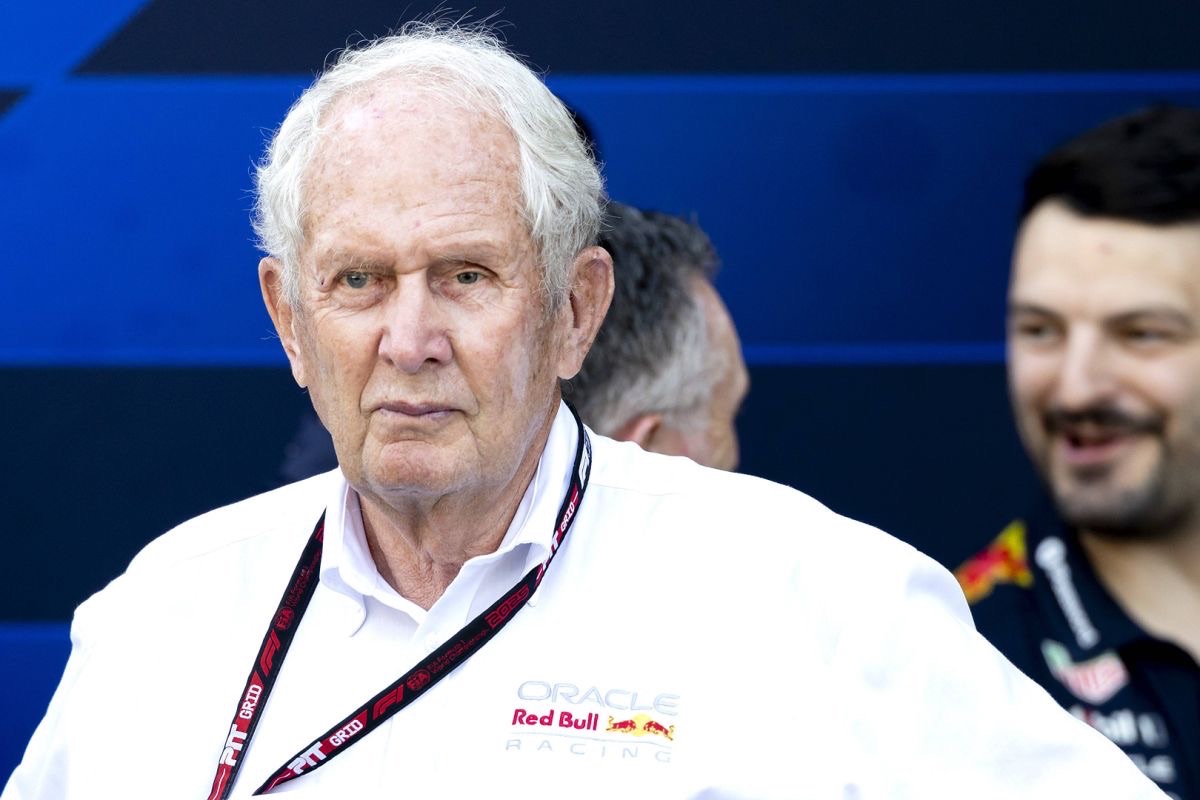
Helmut Marko — one of the most iconic and influential figures in modern Formula One — has publicly confirmed that he will not return to the sport after his departure from Red Bull Racing at the conclusion of the 2025 season. This statement officially closes the door on any potential comeback to the grid, ending months of speculation following his exit from the team where he spent the most consequential years of his career.
Marko’s decision represents not only the conclusion of a personal chapter but also the symbolic end of an era in Formula One. After more than two decades as Red Bull’s senior motorsport advisor, his retirement marks the closing of one of the longest and most successful runs by a team executive in the sport’s history. Over the course of his tenure, Marko was instrumental in shaping the team’s identity, talent strategy, and race-winning culture — helping transform Red Bull from a fledgling entrant into a dominant global force.
A Legendary Career Comes to a Close
Helmut Marko’s relationship with Red Bull and Formula 1 stretches back far longer than most modern fans realize. Before joining the team, he was a racer himself: a former Formula One driver and Le Mans competitor with deep roots in motorsport. In 1984, he founded his own racing outfit, RSM Marko, which later became a fundamental part of Red Bull’s young driver development programme when the energy drink brand entered Formula One in 2005.
For years, Marko’s sharp eye for talent and unerring judgment — sometimes controversial, sometimes brutally frank — formed the backbone of Red Bull’s driver programme. Among his most notable successes was his early recognition and support of Max Verstappen, whom he helped bring into Formula 1 at a young age and later guided into a top seat at Red Bull Racing. Under Marko’s influence, Verstappen ascended to the very summit of the sport, winning four consecutive world championships — a feat that tied him with Sebastian Vettel’s record and helped cement Red Bull’s legacy as a modern powerhouse.
Departure from Red Bull and Speculation Over His Future
At the end of the 2025 season, Red Bull confirmed that Marko would leave his role within the team. His departure took many by surprise, not least because he still had a contract running into 2026, which suggested he might have stayed on longer. Teammate changes and organizational reshuffling — including the departures of other significant figures such as Christian Horner, Adrian Newey, and Jonathan Wheatley — coincided with Marko’s exit, creating a profound shift in the team’s leadership landscape.
In the weeks that followed, there was intense speculation about what would come next. With Marko’s vast experience, name recognition, and deep contacts across the paddock, many wondered: would he return to Formula 1 in some capacity? Could another team hire him? Might he take on a consultant role or even start a new venture within the sport?
However, in a candid interview with Austrian broadcaster ORF, Marko dispelled all such speculation. He affirmed that a return to Formula 1 — in any official team role — is “100 percent out of the question.” That phrasing left no room for ambiguity: Formula One participation as a team advisor, manager, or strategist is firmly off the table for him going forward.
Life After the Paddock
Marko spoke openly about the emotional and personal aspects of his retirement. After decades of high-stakes pressure, relentless travel, and constant decision-making, he says that stepping away has brought a noticeable sense of relief. Freed from the stress of race weekends, technical meetings, and performance anxieties, he now approaches the sport from the outside — following developments closely but without the burdens that once accompanied every result or technical issue.
In describing his current mindset, Marko explained that although he still keeps up with Formula 1 news and remains interested in Red Bull’s success, he no longer loses sleep over engineering problems or strategic setbacks. With no direct responsibility for results, he feels a rare sense of peace compared to the typically high-pressure environment of the paddock.
Offers and Interest from Other Teams — But Loyalty Prevails
Despite Marko’s firm refusal to return, he acknowledged that there have been informal approaches and conversations with other groups interested in his services. Though he called some of these inquiries “obscure and interesting,” he made it clear that no offer was compelling enough to draw him back to the sport in a professional capacity. The reason, he says, is simple: the success he achieved came largely through his work with Red Bull, and that legacy is something he wants to preserve rather than dilute by joining a rival.
This perspective underlines Marko’s view of his time with Red Bull not merely as a job, but as a defining chapter of his life and career — one he does not want to overshadow by pursuing second acts elsewhere. Although he remains supportive of the team’s ambitions and will follow its journey in the 2026 season, he has no intention of returning to the paddock gates or race direction meetings that once defined his professional rhythm.
What This Means for Formula 1
Marko’s retirement — and his decisive denial of any future return — brings an unmistakable sense of finality to his long presence in the sport. Few figures have influenced the direction of a team and the careers of multiple world champions as profoundly as he has. Not only did he help build Red Bull’s driver development structure, but he also shaped its strategic culture, helping carry the team from its early years into an era of sustained success.
With his absence, the sport loses one of its most polarizing yet impactful personalities — a man whose strategic instincts, willingness to back talent, and fierce loyalty to Red Bull helped sculpt much of the current competitive landscape. While other former team leaders like Newey or Horner have found new roles or moved to rival outfits, Marko has chosen to close the book entirely on that chapter of his life.
In summary, Helmut Marko’s announcement is more than just a personal career decision — it is a symbolic moment in Formula 1’s ongoing evolution. As the sport enters a new era, with fresh regulations, leadership changes, and emerging rivalries, the absence of one of its old guard marks a definitive shift toward the future. And for Marko himself, the story now turns from race strategy and talent scouting to reflection, observation, and well-deserved retirement.