Isack Hadjar Delivers an Upbeat Assessment of Red Bull After Early Skepticism
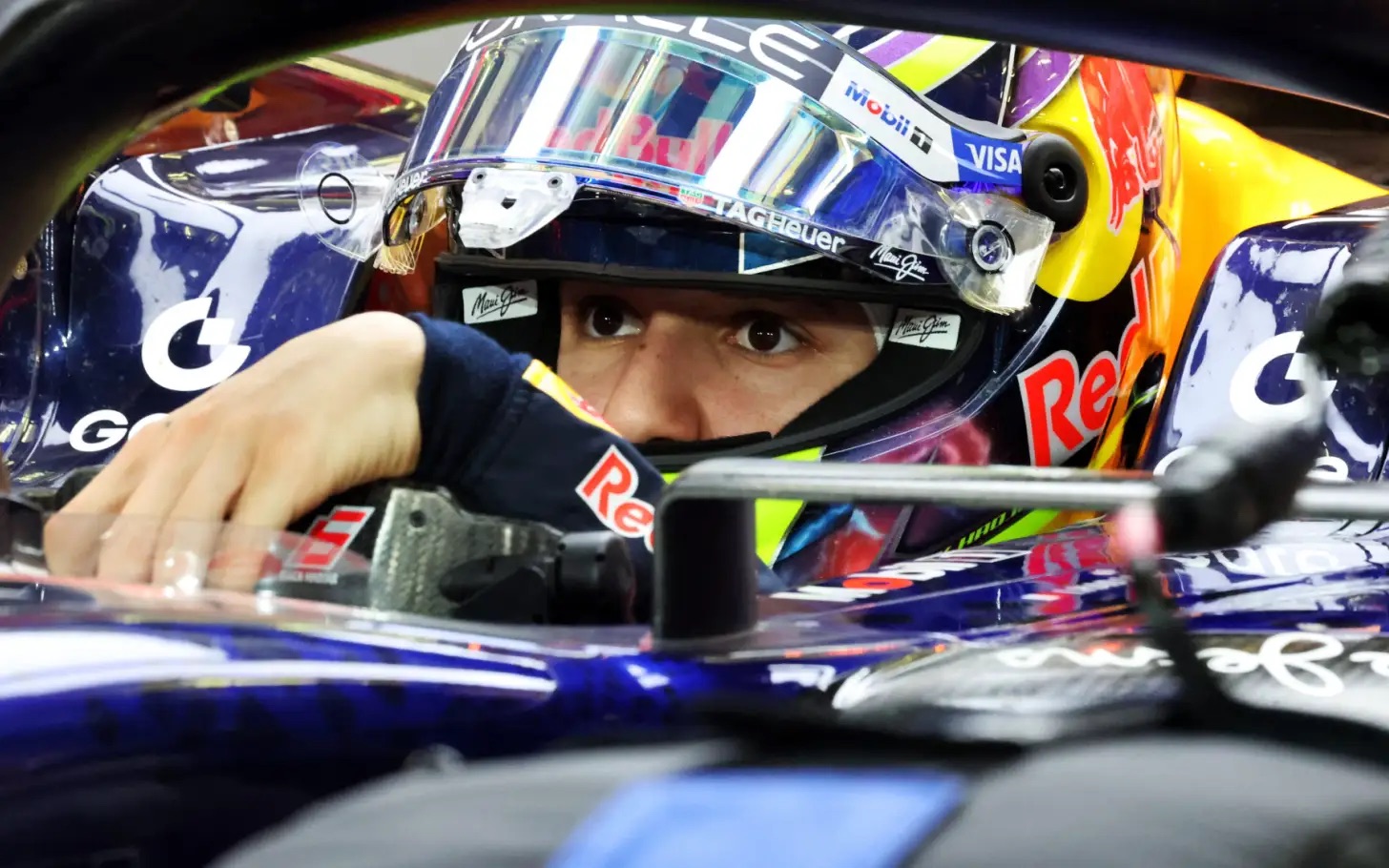
French racing driver Isack Hadjar has offered a highly positive evaluation of the new Red Bull Formula 1 car following the team’s first official pre-season testing sessions, dispelling earlier concerns he had about the project and expressing optimism about its potential performance going into the 2026 season.
Hadjar, who is heading into his second season of Formula 1 competition, has been participating in early testing with Red Bull as part of preparations for the year ahead. These tests—first in Barcelona and then in Bahrain—have provided teams with their first real look at how the new cars, designed under revised regulations, handle on track before competitive racing begins. For Red Bull in particular, these sessions also mark a significant moment because they are the first with a power unit built in-house in partnership with Ford.
In his first outings with the updated Red Bull chassis and engine package, Hadjar reported being genuinely taken aback by how well the car performed relative to what he had been expecting. He admitted that although he has been closely involved with the team through its development period, his earlier understanding of the situation—especially based on what he saw toward the end of the previous season—had left him unsure about how competitive the new RB22 would be.
Hadjar explained to media, including RacingNews365, that the impressions he had formed late in the 2025 season were not especially positive. At that time, there had been talk, even within Red Bull’s own camp, that the performance gains from the redesign and new power unit might not be as large or as smooth as hoped. Those initial internal assessments contributed to a cautious outlook from many observers and insiders, including Hadjar himself.
However, that uncertainty began to dissolve as soon as he got behind the wheel of the new car in testing. During the opening day of Barcelona shakedown runs, Hadjar was able to complete a significant number of laps—more than 100—and found that the car felt better than he had anticipated. “It’s way beyond what I anticipated,” Hadjar said, emphasizing that the early data and feel from the car exceeded the modest expectations he had previously held.
This improvement was particularly evident in Bahrain, where Hadjar continued to put in strong mileage without significant reliability issues, further reinforcing his belief that the team’s new design is a promising one. Notably, rival teams and drivers have also commented on the car’s power unit, highlighting that it seems capable of more efficient energy management and deployment compared with other manufacturers’ systems during early running.
For Red Bull, this represents a meaningful step forward because the 2026 season is the first in which the team is running its own name-branded power unit under the new technical regulations, a major undertaking following years of reliance on customer engines. Entering a season with a completely new engine and aero package inevitably introduces risks, which is why the team had been cautious in its public expectations. Red Bull and its technical partners had already acknowledged that developing a reliable and competitive new package over the off-season was a significant challenge.
Despite this, Hadjar said his initial uncertainties were quickly alleviated once he started driving the car. He openly acknowledged that it is normal for any team to encounter issues over the course of a season—especially one that features significant technical changes—but he believes the number of problems the team faces will be far fewer than he had initially feared. “In Barcelona, I had many, many doubts and they cleared very quickly,” he explained, indicating that his confidence in the team’s work has grown substantially over the short period of testing.
Perhaps the most optimistic part of Hadjar’s comments came when he was asked if he believes the car can help him achieve his first Formula 1 race victory. Without hesitation, he responded simply, “Yeah,” signaling that he thinks the performance on display so far could be capable of delivering top-level results. This is a notable statement from a young driver who is still early in his career and highlights the level of belief he now has in the package Red Bull has built.
Hadjar’s remarks are important for several reasons. First, they suggest that Red Bull’s internal expectations are higher than many external observers had assumed, particularly given that early rumors and internal uncertainties had hinted at potential struggles. Second, the confidence of a driver—especially one still growing into a full second season—can be a strong indicator of a positive team environment and momentum. And finally, the overall sentiment from Red Bull in testing reflects a broader sense of optimism within the paddock that the new regulations may have shaken up the traditional order more than anticipated.
In summary, Hadjar’s early impressions of the new Red Bull car have turned out to be far more positive than expected. His initial doubts about the car’s competitiveness have been replaced with clear enthusiasm and confidence in the team’s work so far. While he wisely tempered his comments by acknowledging the likelihood of future challenges, his overall verdict is encouraging not just for Red Bull but for fans and analysts watching how the 2026 season unfolds. With testing wrapped up and competitive racing on the horizon, Hadjar’s upbeat assessment adds to the growing anticipation around what the new season might bring.