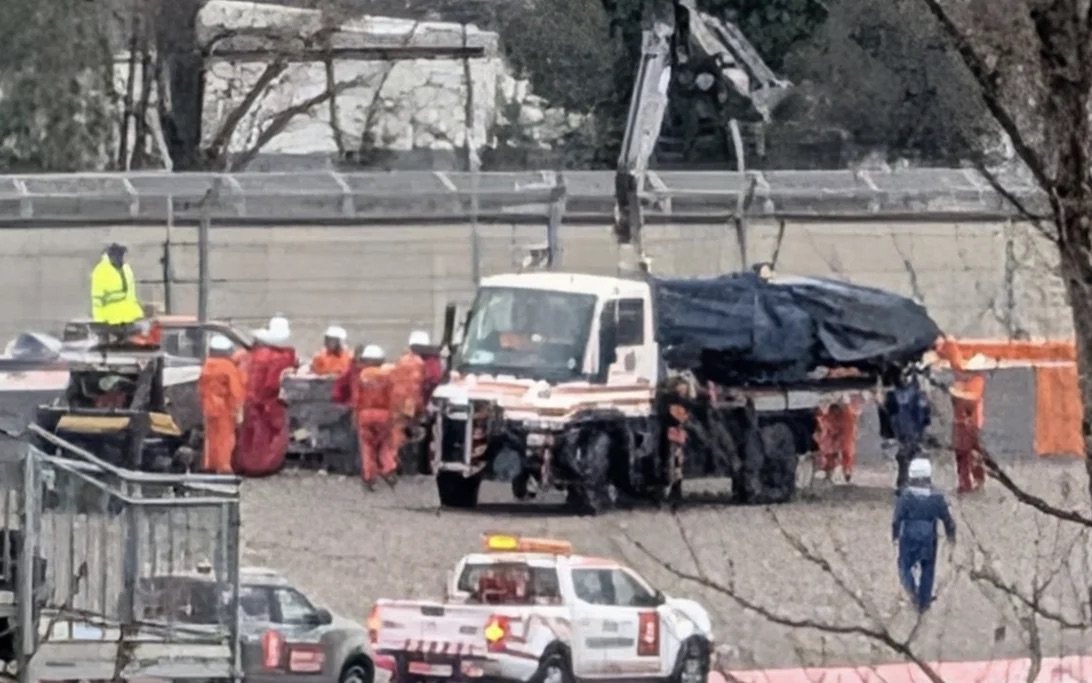
Isack Hadjar’s recent session at the Barcelona Formula 1 test came to a disappointing end after the French driver experienced what is believed to be his first crash while driving for the Red Bull Racing team. This incident marked a sudden and unwelcome conclusion to what had otherwise been a promising few days of pre-season evaluation at the Circuit de Barcelona-Catalunya.
Hadjar, who has recently been elevated to a full-time race seat with Red Bull for the 2026 season, was taking part in the second day of running at the track as teams continued their preparations ahead of the new Formula 1 championship. The test sessions in Barcelona form a crucial part of the lead-up to the season, allowing drivers to familiarise themselves with their cars, engineers to refine setups, and teams to assess how new components or changes perform in real conditions.
It was during the final hour of this second day that Hadjar’s day went awry. Reports say that the crash occurred at Turn 14, a fast-speed corner that often plays a pivotal role in the lap times drivers set around the Catalan circuit. The track that day was affected by wet weather, which added an additional layer of complexity to car control and tyre performance — conditions that can be especially tricky when drivers are pushing to understand the limits of a brand-new machine.
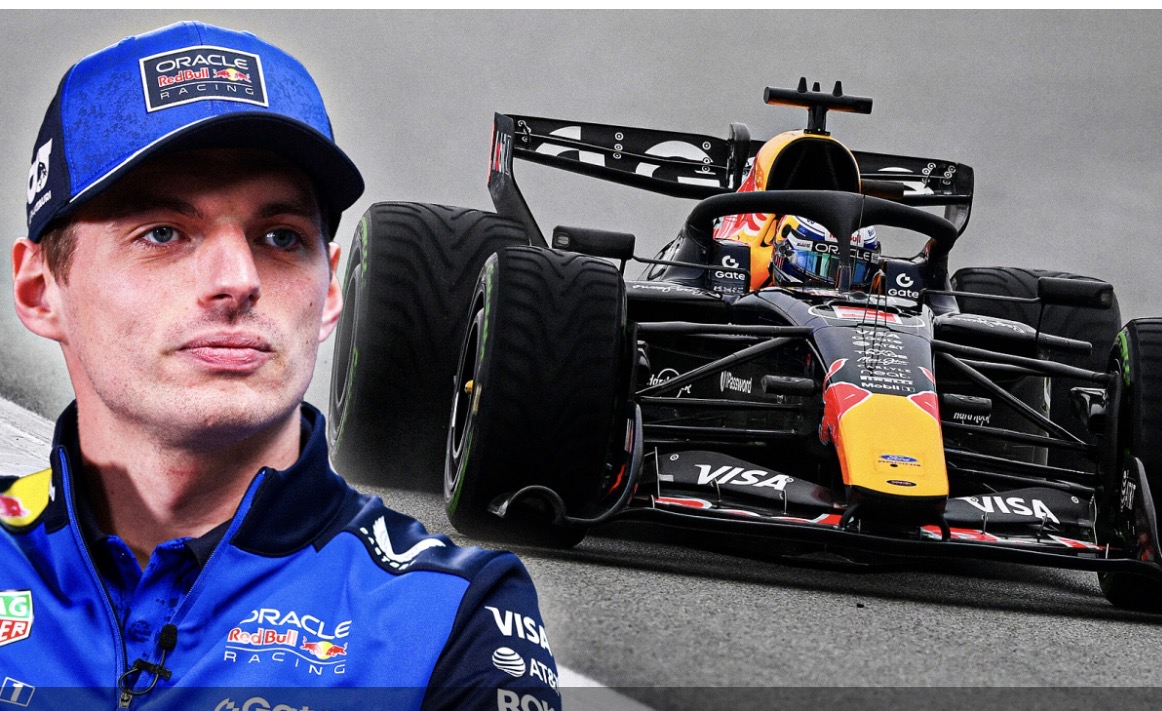
Red Bull was one of the few teams on track that day, having chosen to appear for both of the scheduled running sessions. Earlier in the week, Max Verstappen, the team’s celebrated world champion driver, had been behind the wheel of the new RB22 car during the opening morning session. Hadjar then took over for afternoon running, having driven on Monday as well. The French driver was completing his final scheduled laps of the day when the incident happened.
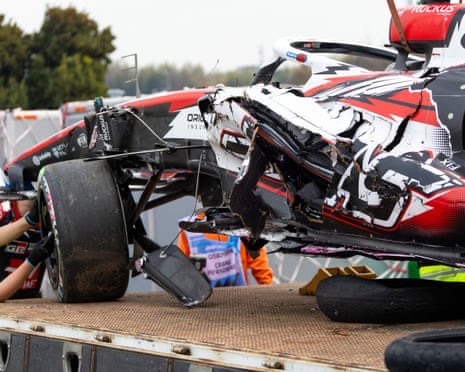
Unfortunately for Hadjar and Red Bull, the crash brought an abrupt end to his testing activities. Images quickly emerged on social media showing marshals recovering his car, which was damaged in the off. This halted his progress for the day and ended what had been otherwise productive time in the car.
Though details about the exact cause of the crash — such as whether it stemmed from mechanical issues, loss of traction in the wet, or a simple error — haven’t been fully detailed publicly, it’s clear that this was an unwelcome disruption. Pre-season testing is a period when teams aim to gather clean, undisturbed data, so any accident can slow progress as engineers must now inspect and possibly repair the car before further sessions.
For Hadjar himself, the incident adds to a growing list of high and low moments in his young Formula 1 career. The 21-year-old French driver began his F1 journey with Racing Bulls — Red Bull’s sister team — in 2025 after notable success in junior categories. In his rookie year, he showed flashes of pace and promise, even securing a podium finish at the Dutch Grand Prix, a major milestone for a newcomer.
However, his first season also included a few setbacks, such as a dramatic crash on the formation lap at the Australian Grand Prix that prevented him from even starting the race — a moment that drew widespread attention due to his emotional reaction and the forgiveness he received from figures like Anthony Hamilton, father of multiple world champion Lewis Hamilton.
Despite these ups and downs, Hadjar’s trajectory has been on the rise, with consistent point finishes and that standout podium in the Dutch race highlighting his potential as a future star. Indeed, his performances with Racing Bulls were strong enough to earn him a coveted promotion into the main Red Bull Racing team for the 2026 season — a rare and significant opportunity in Formula 1.
The testing crash in Barcelona comes at a time when expectations are high. Red Bull is known for its championship-winning pedigree and typically enters a season with serious ambitions for both the drivers’ and constructors’ titles. Hadjar’s role at the team will be under close scrutiny: how he adapts to the pressures of racing at the front of the grid and how quickly he can forge a strong working relationship with his engineers and team personnel will be key throughout the year.
This latest incident, while unfortunate, is part of the learning curve for many drivers in their early years. Pre-season tests are intense environments where teams and drivers expose cars to varied conditions — from cold starts to wet weather running — all in the pursuit of information that could unlock performance during official races. It is not uncommon for even the most experienced drivers to suffer spins or incidents during these sessions, because much of what they are doing involves pushing the car to its limits in unfamiliar settings.
In fact, despite the crash on his second day in Barcelona, early reports from Day 1 of the test had been extremely positive for Hadjar and Red Bull. He set impressive times and covered a significant number of laps, showcasing both the potential speed of the new car and his ability to extract performance from it. Engineers and team personnel described the first day as productive, with teams making crucial strides in understanding the new components and aerodynamic changes that have come with the latest regulations.
For Hadjar, then, the challenge after this mishap will be to bounce back quickly — both in terms of confidence and performance. Crashes, while not ideal, are treated as data points for development teams: they provide information on what happens at the edge of performance and can lead to adjustments that make the car safer and more consistent. What matters next is how Hadjar and Red Bull work together to analyse the event, make any necessary corrections, and continue refining the car ahead of the first official race of the season.
In summary, while this crash represents an unwelcome interruption to Hadjar’s Barcelona test program, it should be seen in the broader context of a competitive and demanding sport where drivers often learn as much from setbacks as from successes. With his recent promotion and the high hopes surrounding his future, how he responds to this challenge could be an important marker of his growth as a Formula 1 driver in 2026 and beyond.