Red Bull F1 Faces Unexpected Engine Storyline as Audi’s Championship Debut Hits Early Challenges
In the early stages of preparations for the 2026 Formula One World Championship, a surprising turn of events has emerged from behind the scenes of the sport’s technical development. As teams across the grid push to adapt to sweeping new regulations, the discourse surrounding engine programmes and power unit performance has begun to shape expectations for the upcoming season — and not always in the ways experts originally anticipated.
A New Technical Era in F1
Formula One enters 2026 with one of the most significant set of rule changes in its recent history. These changes affect not only the aerodynamics and chassis design of the cars but also the powertrain architecture itself. Under the new framework, hybrid power units — which combine an internal combustion engine with a more powerful electric motor — will remain central, but with revised energy deployment rules and a greater emphasis on sustainability and electric energy recovery.
This overhaul is intended to promote competition and ultimately reshape the competitive order on the track. Teams are now having to build entirely new engines and power unit systems from scratch, rather than evolving existing designs. Because of this, the development challenge is enormous; even established manufacturers find themselves navigating uncharted territory, and first-time entrants or those with less historical experience in F1 powertrain design are especially tested.
Early Engine Developments Surprise the Paddock
Traditionally, when a manufacturer with extensive motorsport experience — like Audi — enters Formula One, observers might expect some initial teething problems as the team acclimates to the sport’s unique technical demands. Yet, in recent preseason testing sessions at Barcelona and during the shakedown events across Europe, the early dynamics between different engine programmes have turned certain expectations on their head.
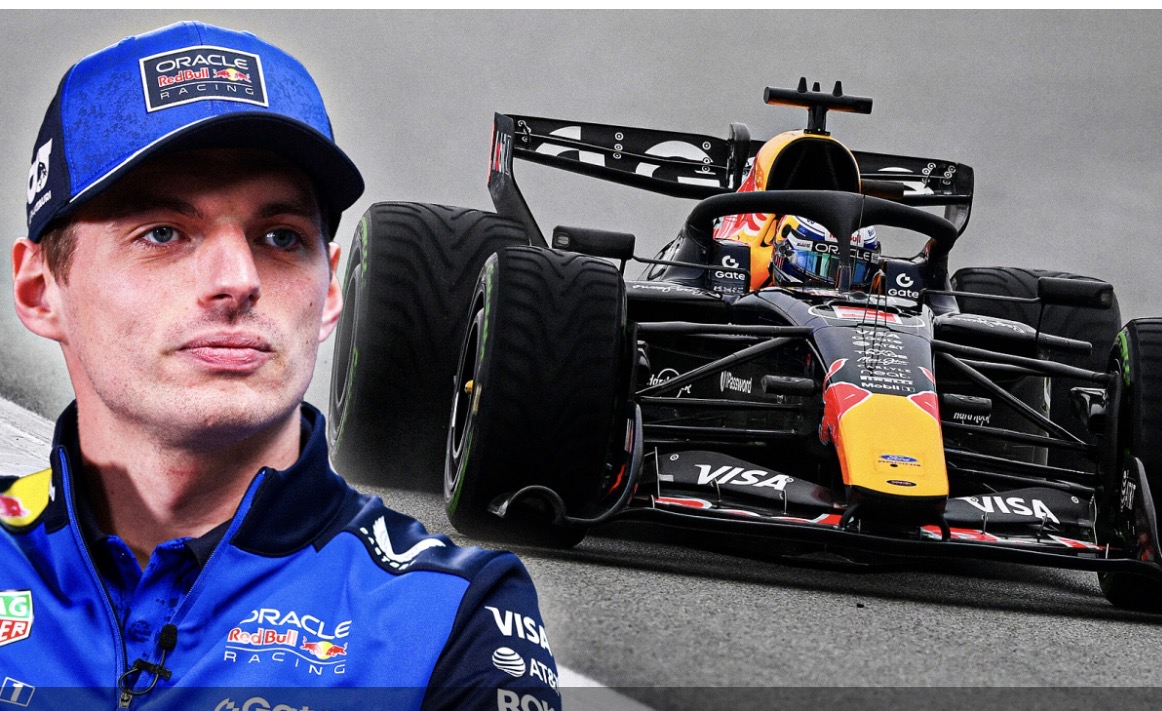
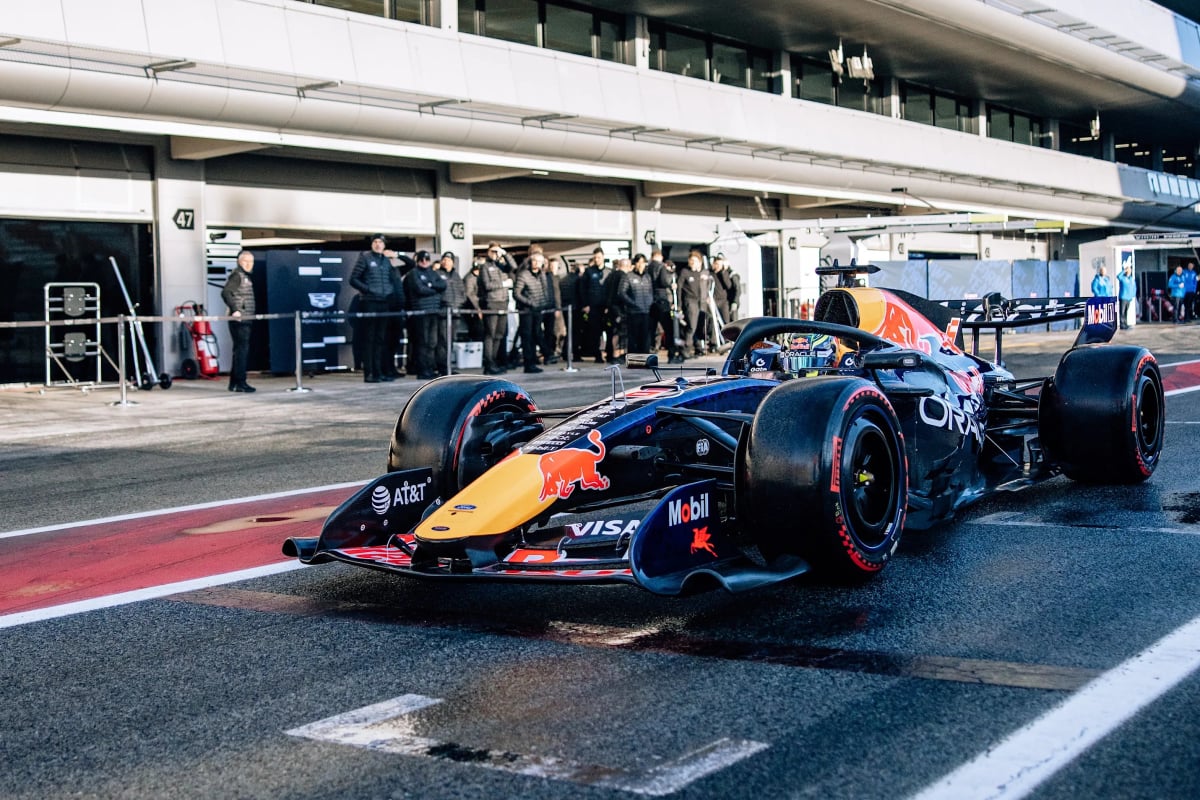
According to insider reporting, Red Bull Powertrains — the newly formed division responsible for Red Bull’s first in-house engine programme, in partnership with Ford — has exhibited a stronger initial performance than many thought possible given the complexity of the new rules and the fact that Red Bull is building its power unit capability from near zero. Early impressions from private testing and technical analysis suggest that the RBPT power unit may be progressing better than anticipated; while this doesn’t guarantee race-winning form by the season opener, it has forced rivals to rethink how they assess the competitiveness of all the new engine programmes.
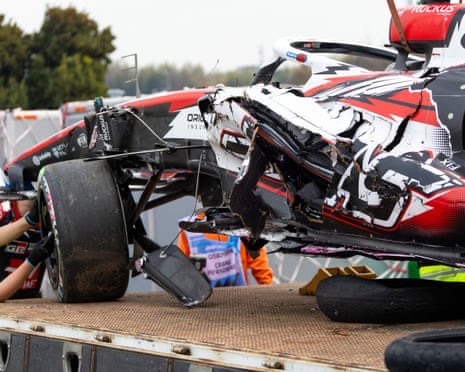
Conversely, Audi — despite its reputation as a major automotive and high-performance engineering brand — has faced early struggles that caught many in the F1 world off guard. Reports from multiple sources indicate that Audi encountered reliability setbacks and calibration challenges during crucial test sessions in Spain. These issues ranged from hydraulic system failures causing red flags during the Barcelona test to general early reliability concerns that limited the team’s mileage relative to rivals.
Why Audi’s Challenges Matter
Audi’s difficulties are significant because the team entered Formula One with considerable ambition, high expectations, and substantial investment. The German manufacturer’s power unit programme is among the most watched, partly due to its status as a works effort — meaning Audi is developing both the chassis and engine as a factory-backed entry rather than as a customer or legacy team.
In the early test sessions, Audi’s reported setbacks included technical faults that disrupted running time and potentially slowed progress on key aspects of reliability and performance. One reported issue was a hydraulic failure that halted action and forced a red flag, a scenario that many engineers and competitors see as an unwelcome distraction at a stage when straightforward, trouble-free running is critical for data gathering.
Such early problems are not necessarily terminal — reliability improvements are always a major focus as teams build toward the first race — but they do raise questions about how soon Audi will be able to extract consistent performance from its power unit compared to rivals who may already have a smoother development pathway. This is particularly important in a year where no team has a proven benchmark because the regulations are so new and the technological reset so fundamental.
The Broader Impact on the Championship
The implications of these early developments go beyond simple test scorers. If a manufacturer like Audi struggles early on, it could influence strategic partnerships, sponsorship confidence, and even the pace of on-track competition once racing begins. Conversely, if Red Bull Powertrains and Ford continue to make reliable progress, it challenges the assumption that legacy manufacturers with decade-long engine experience automatically hold the advantage under the new rules.
Another factor in the evolving engine narrative is how established engine suppliers like Mercedes and Ferrari adjust. Mercedes, historically a dominant power unit builder, has reportedly been pushing strong groundwork and testing performance, gaining praise for reliability and early pace that has put pressure on others to match.
Testing vs. Reality
It’s important to keep in mind that preseason testing, while revealing, doesn’t always tell the full story. Teams often utilise these sessions to test different engine maps, parts configurations, and develop reliability before showing competitive form. In this sense, while Audi’s early setbacks might appear dramatic, they can be part of a normal learning curve — albeit an unwelcome one in comparison to rivals’ smoother starts.
The narrative of early engine testing is also shaped by how teams choose to prioritise development: some may be aiming for conservative reliability before pushing performance, while others may balance a riskier setup with a focus on extracting power at the earliest opportunity. Both approaches have pros and cons, and the final balance will only become clear once the championship officially begins.
Looking Ahead to the Season
As the 2026 Formula One season approaches, the engine storylines will remain an integral part of fans’ anticipation. Teams will continue refining their power units and adjusting to the fresh set of regulations designed to promote closer competition and innovation. Whether Audi recovers its early momentum, how Red Bull’s power unit shapes up in the full championship context, and where Mercedes and Ferrari stand in the evolving pecking order will all play crucial roles in defining the season’s narrative.
Ultimately, these early surprises — from unexpected performance balances to technical teething problems — reflect the transformative nature of F1’s new era. As engines roar into their first official tests under the modernised rules, the sport’s competitive landscape is being rewritten, and every team’s engineering choices could make the difference between podium finishes and uphill battles in 2026.