Max Verstappen’s Potential Fine from the FIA: A Full Breakdown
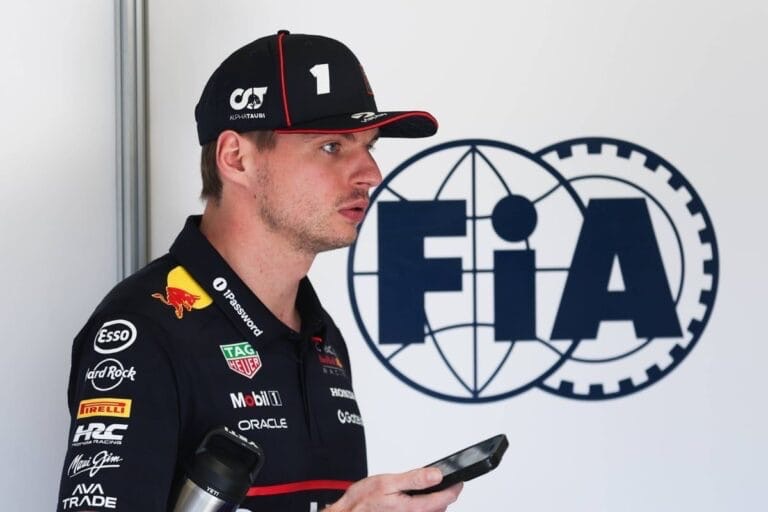
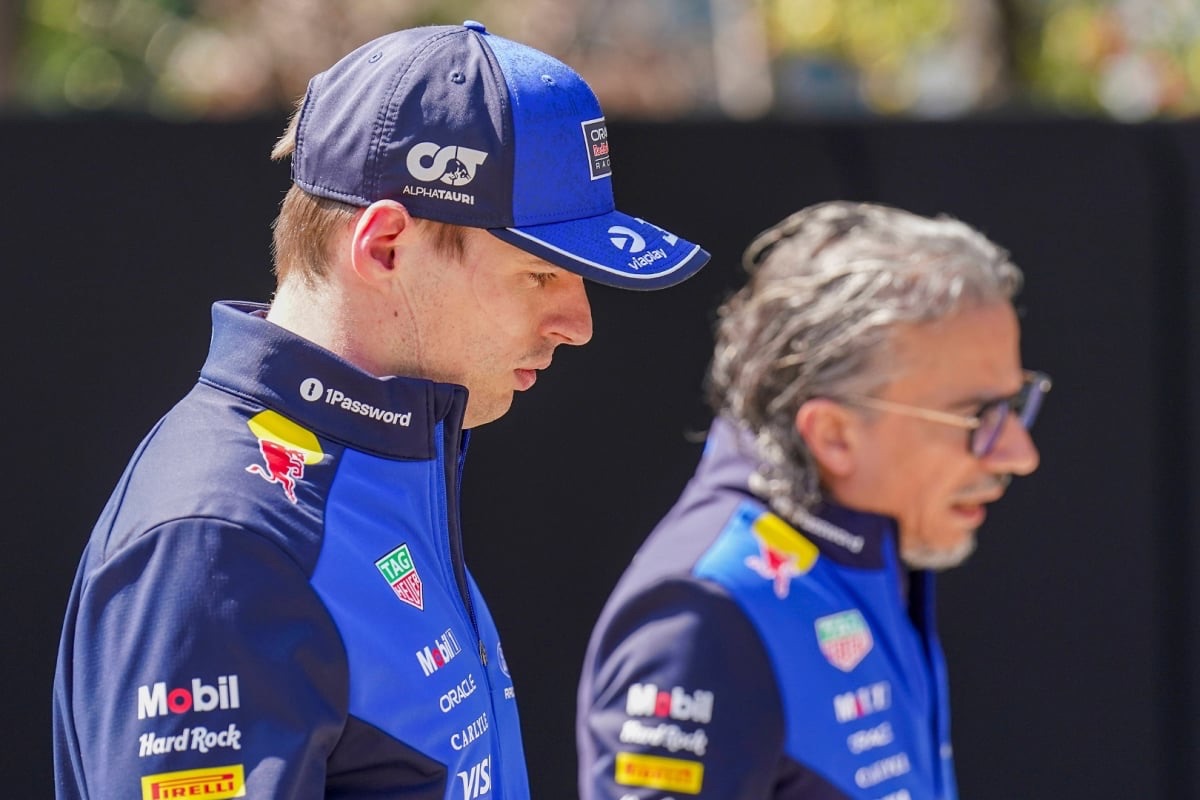
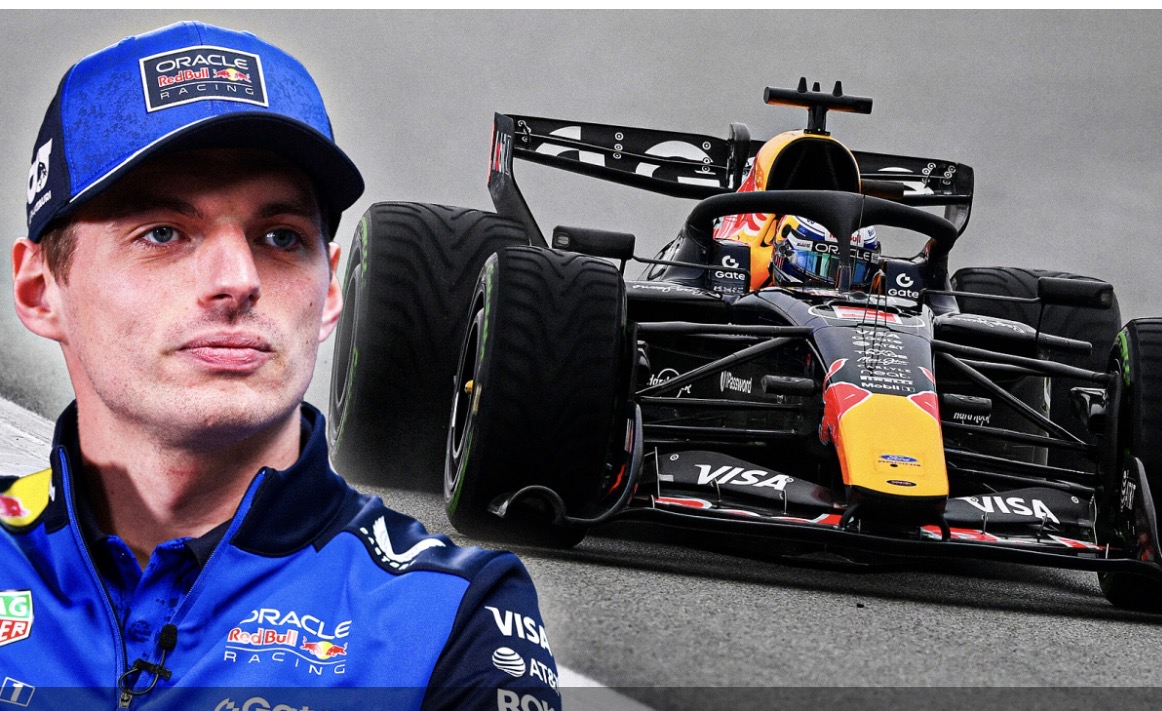
In recent days, Formula 1 fans and analysts have been talking about a developing situation involving Max Verstappen and the Fédération Internationale de l’Automobile (FIA) that has sparked questions about whether the Dutch driver might face a financial penalty from motorsport’s governing body. The speculation stems from Verstappen’s absence from a major end-of-season awards gala, a high-profile event where champions and standout figures from across all FIA championships are honored.
Verstappen, who finished second in the 2025 Formula 1 World Drivers’ Championship, was scheduled to attend the prestigious awards ceremony held in Tashkent, Uzbekistan. However, he recently withdrew from the event, citing illness — specifically, flu-like symptoms that reportedly made travel and participation impossible. His team confirmed he had fallen ill in the days leading up to the gala and was unable to take part in not only the ceremony but also a previously scheduled public appearance at a sim-racing event.
Because Formula 1 drivers are typically required by FIA regulations to attend this ceremony — barring legitimate and officially recognized reasons — initial reactions among observers questioned whether Verstappen might be subject to a sanction for skipping it. This wasn’t mere speculation; attendance has been deemed important enough that refusal or absence without valid justification has drawn penalties in the past. Most notably, Lewis Hamilton was fined by the FIA in 2021 when he chose not to attend the awards gala following that controversial season’s finale, where he lost the championship under highly debated circumstances. His absence was interpreted as a protest against the FIA’s handling of the defining race, and as a result he received a €50,000 fine.
So Will Verstappen Actually Be Fined?
Despite all the talk, the consensus among teams, insiders, and regulation analysts is that Verstappen is unlikely to be fined — and for solid reasons:
1. Illness Is a Valid Excuse Under FIA Rules
The key difference between Verstappen’s case and Hamilton’s 2021 situation lies in why each driver missed the ceremony. In Verstappen’s case, he has documented illness and withdrew well ahead of time, providing clear communication through his team. The FIA’s rules do allow for legitimate medical reasons — often referred to as force majeure — to excuse someone from mandatory commitments. Because his absence appears to be unavoidable rather than a statement or protest, it’s widely expected that the FIA will not pursue disciplinary action or a fine.
This approach reflects the FIA’s own regulations around contractual obligations. If a competitor can demonstrate a bona-fide reason beyond their control for missing a required engagement, charges are typically dismissed. By all current accounts, Verstappen’s illness and subsequent withdrawal fall into that category.
2. No Hint of Protest or Intentional Defiance
Unlike Hamilton, who was seen by many as making a statement with his absence, Verstappen’s decision doesn’t appear to be political or confrontational. In media comments prior to falling sick, Verstappen acknowledged the necessity of attending events like these but also expressed frustration with mandatory commitments after a grueling season. Reports indicate he spoke candidly about how exhausting the campaign was and the challenges of fitting in ceremonies after the physical and mental toll of a long season.
However, there’s no suggestion in official reports that he intended to skip the gala as a protest against the FIA or any other body. His non-attendance simply stems from his condition at the time.
Why Attendance Matters — and What the FIA Expects
At its core, the awards gala is more than a photo opportunity. It’s a symbolic moment where the FIA brings together champions across all motorsport disciplines — from Formula 1 to rallying, Formula E, and more — to celebrate achievement, foster community, and promote unity in global motorsport. Drivers, teams, and officials are obliged to show up under FIA regulations unless they can provide reasons for absence in advance.
When a driver — especially a high-profile figure like Verstappen — does not show up, it raises eyebrows because it can be interpreted as disrespecting tradition or contractual duty. And while the FIA is aware that drivers are human and can fall ill, bodies like these are also conscious of setting precedents. Historically, they have shown a willingness to enforce attendance rules consistently, unless there’s a compelling excuse.
For context, the FIA has also tightened other forms of conduct enforcement in recent seasons. For example, new “misconduct” rules introduced for the 2025 F1 season allow fines, points deductions, and even race bans for various breaches of sporting regulations, including failure to comply with instructions or attend official events. These sanctions are tiered — starting with fines for first offenses and escalating for repeated violations.
That said, Verstappen’s absence shouldn’t trigger those disciplinary measures if the FIA accepts his medical justification.
Broader Context: Verstappen and FIA Penalties in Recent Years
Over the last few seasons, Verstappen has occasionally found himself under scrutiny from the FIA, but most often for on-track matters rather than attendance or conduct off track. For example:
Earlier in 2025, there were discussions around incidents such as qualifying tactics and driving behavior in certain races, although those typically ended without penalties after stewards’ reviews. In the past, Verstappen has avoided penalties for unusual situations, like when he threw away his face towel during the Hungarian Grand Prix practice session.
Additionally, beyond technical or sporting penalties, there have been moments where Verstappen’s conduct off the racetrack garnered attention — notably when he was summoned in 2024 for using a swear word during a press conference and was given a unique community service penalty as part of an FIA initiative to enforce conduct codes.
All of this demonstrates that while Verstappen isn’t above the FIA’s reach, the governing body’s actions are typically specific to the context and based on regulatory frameworks that consider intent, precedent, and proportionality.
Conclusion
In summary, although there was initial speculation that Max Verstappen could face an FIA fine due to his absence from the end-of-season gala, current evidence strongly suggests that a penalty is not imminent. His illness appears to be legitimate and appropriately communicated under FIA rules, and unlike past situations where penalties were levied for absence without valid reason, the context here is clearly distinguishable.
At the end of the day, the narrative has shifted from one of potential discipline to a reminder of how intricate, highly public, and delicately balanced Formula 1 governance can be — particularly when it involves one of the sport’s most dominant and high-profile figures.