Max Verstappen: The Physical Toll of an F1 Career and What It Means for His Future
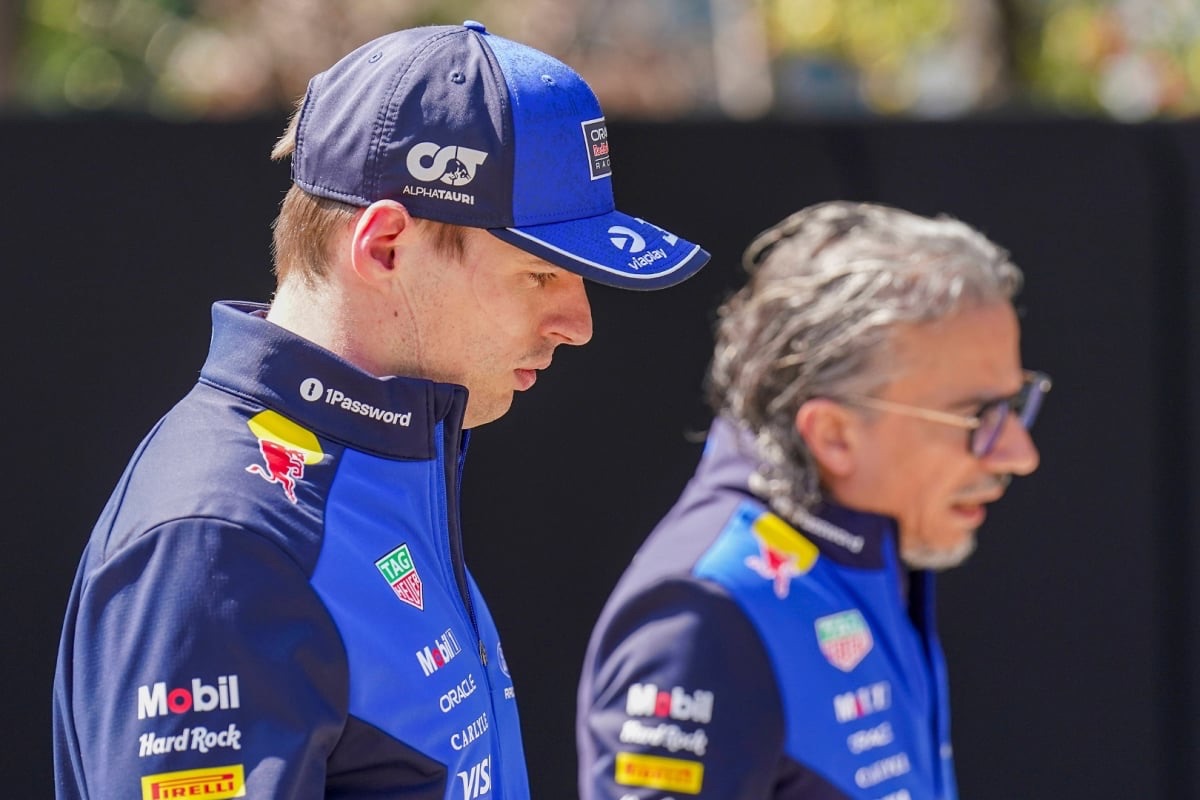
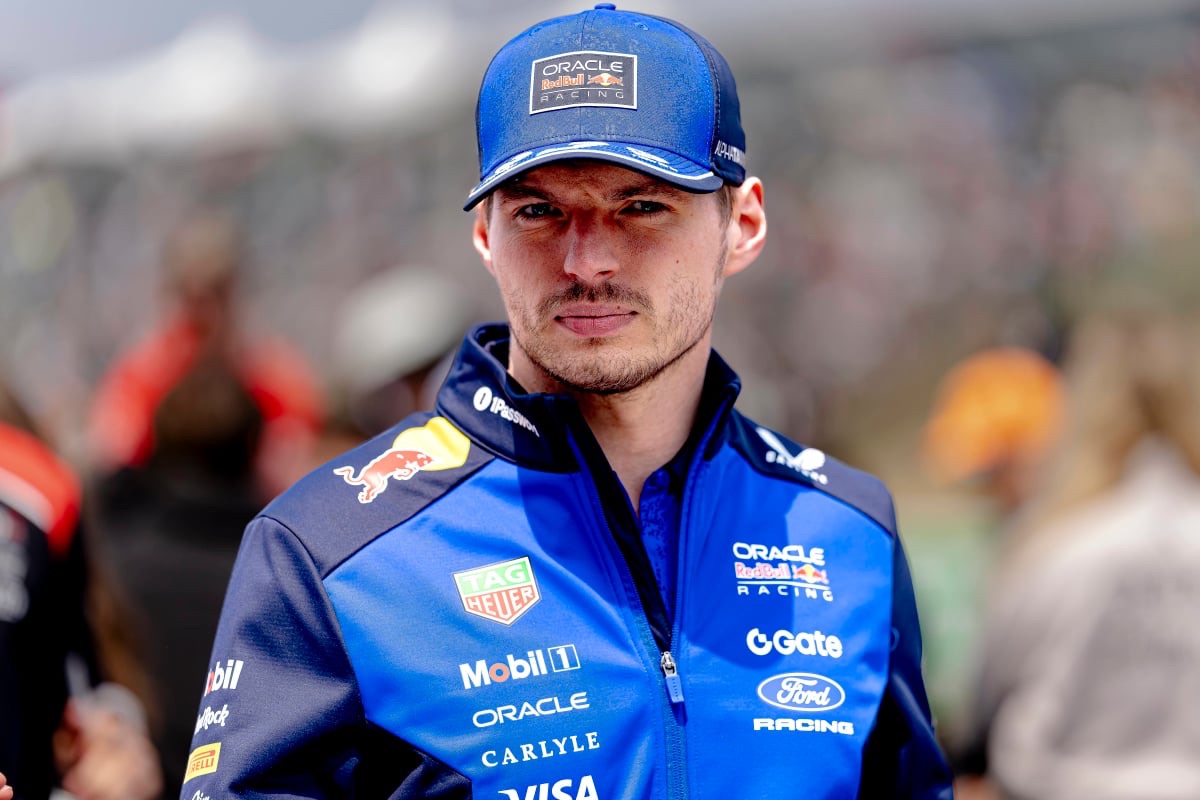
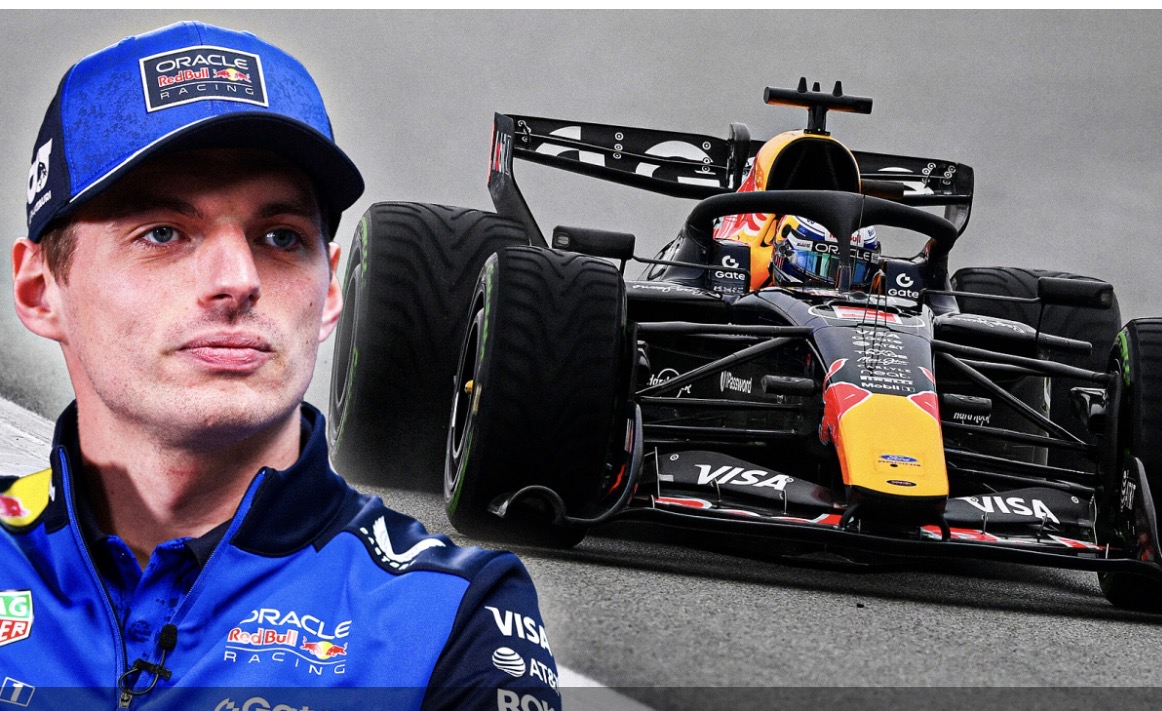
Max Verstappen, the Dutch Formula 1 superstar and one of the most dominant drivers of the modern era, has recently opened up about the intense physical challenges he faces as a result of his career in top-level motorsport. While Verstappen has been at the peak of his sport for several years—winning multiple world championships and racking up dozens of race victories—the toll that driver life takes on his body has become increasingly evident in his own words.
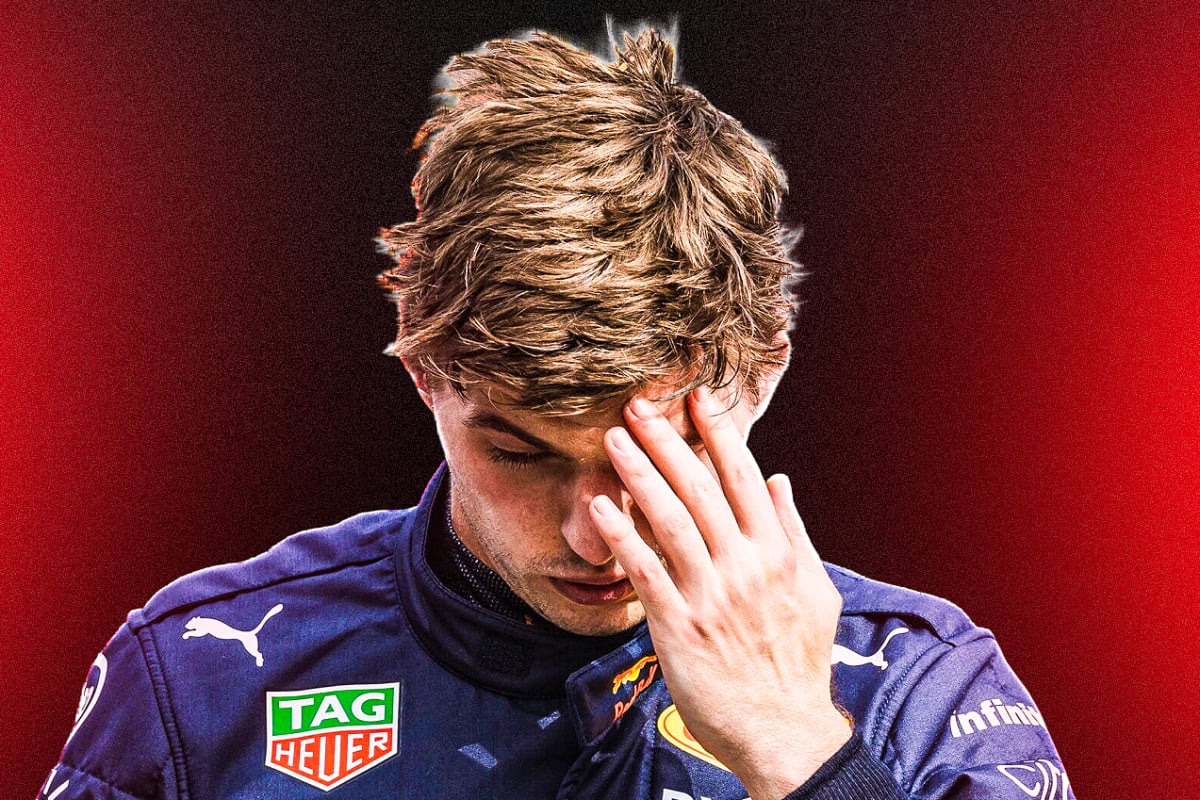
Verstappen, a four-time world champion with Red Bull Racing, revealed that his back has been deteriorating due to the extreme demands of driving a Formula 1 car. He described the condition bluntly, saying his back feels like it’s “falling apart,” a phrase that highlights the severity of the physical stress elite motorsport places on top competitors.
Formula 1 cars exert extraordinary forces on drivers. Over the course of a full race distance, drivers can experience extreme gravitational loads, strain on neck and back muscles, and a significant loss of body weight from fluid depletion and calorie burn. These factors collectively make racing at this level one of the most physically punishing professions in all of sport.
The Ground Effect Era: A Painful Chapter for Drivers
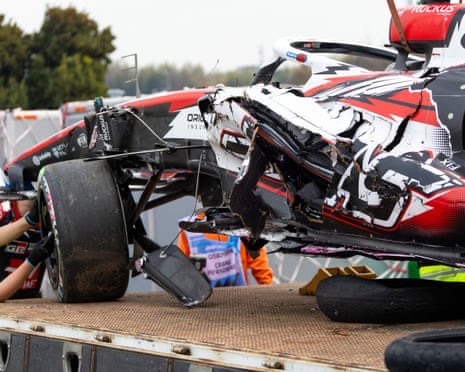
One significant contributor to Verstappen’s discomfort has been the recent generation of cars known as the ground effect era. These cars, designed to generate downforce primarily through under-body aerodynamics, brought both performance benefits and unexpected physical drawbacks. As the cars generated downforce and then lost it suddenly—especially over bumps or through aerodynamic wake—drivers experienced a phenomenon known as porpoising, where the car rapidly bounced up and down at high speed. The experience was not only hard on the body but extremely fatiguing over a race weekend.
Verstappen admitted that while he initially found the challenge interesting, over time it became less enjoyable and much more physically uncomfortable. He said he wouldn’t miss driving this generation of cars, pointing out that more traditional cars from earlier in his career were actually more comfortable, even if they lacked the same performance potential.
Health Impacts Beyond Back Pain
In addition to the back pain Verstappen has publicly discussed, F1 drivers often experience discomfort in the feet, neck, shoulders, and even hands due to the intense demands of controlling a car at speeds exceeding 200 mph. Verstappen himself highlighted the discomfort in his feet and the overall physical strain that comes from controlling the car under high speed and cornering loads.
These kinds of issues are not unique to Verstappen—drivers across the grid have voiced similar complaints about the ground-effect cars and the intense physical regime required. The sport has acknowledged this, and the new rules set to take effect in 2026 aim to improve drivability and reduce some of these physical burdens by rebalancing how downforce is generated and introducing new hybrid technologies.
Missing Events and Health Precautions
The physical stress that comes with competing at the highest level sometimes has immediate consequences. In December 2025, Verstappen was unable to attend the FIA’s prestigious awards gala in Uzbekistan because doctors advised against flying while he was sick with the flu. Instead of attending in person, Verstappen recorded a video message to congratulate the winners, but his absence underlines how even short-term health issues can disrupt the tightly packed F1 calendar and schedule.
Championship Pressure and Season Struggles
Beyond just physical discomfort, Verstappen’s 2025 season was one of the most challenging of his career. Red Bull started the season with balance and performance issues that left the reigning champion struggling for wins early on. He described at times having a “love-hate” relationship with the car, acknowledging that certain races felt extremely difficult while others delivered strong performance.
Despite these hurdles, Verstappen and Red Bull engineered a remarkable comeback over the season’s latter half, winning several races and closing a large points deficit to ultimately fall just two points short of the championship title in Abu Dhabi. This comeback was widely praised and showed both his resilience and the team’s ability to adapt under pressure.
Future Prospects: New Car Rules and Red Bull’s Development
Looking ahead, Formula 1 will introduce a new generation of cars in 2026 with significant regulation changes, including roughly 50 % electrical power and active aerodynamic systems. These changes are expected to reduce some of the physical strain drivers currently endure and make the cars more predictable and easier to race in close quarters. This new era could be pivotal for Verstappen’s long-term future in the sport, especially as he considers how much more physical his body can handle at the highest pace.
The success of Red Bull under the new rules will also be critical. The team will have to develop its own power units in partnership with Ford after Honda’s departure, and if those units—and the new cars—are competitive, Verstappen could remain a dominant force. However, if the transition does not go smoothly, there has been speculation about whether he might consider other teams or options, though recent reports and assurances from team leadership suggest he currently remains committed to Red Bull.
The Bigger Picture: Career Longevity and Legacy
Max Verstappen’s openness about his physical struggles brings attention to the lesser-seen side of Formula 1—the human element behind the helmet. Despite being one of the sport’s most successful drivers, he is also one of the athletes most aware of the toll that success takes. His candid statements reflect a deeper conversation about long-term health, career sustainability, and life beyond motorsport.
With the new regulations and his own experience, Verstappen is a defining figure in F1’s evolution—someone who has seen the sport’s physical demands at their peak and is now racing into an era that promises change. Whether he continues to dominate or adapts to a new set of technical and physical challenges, his legacy will be shaped not just by wins and championships, but by his resilience in the face of what being an F1 superstar truly demands.