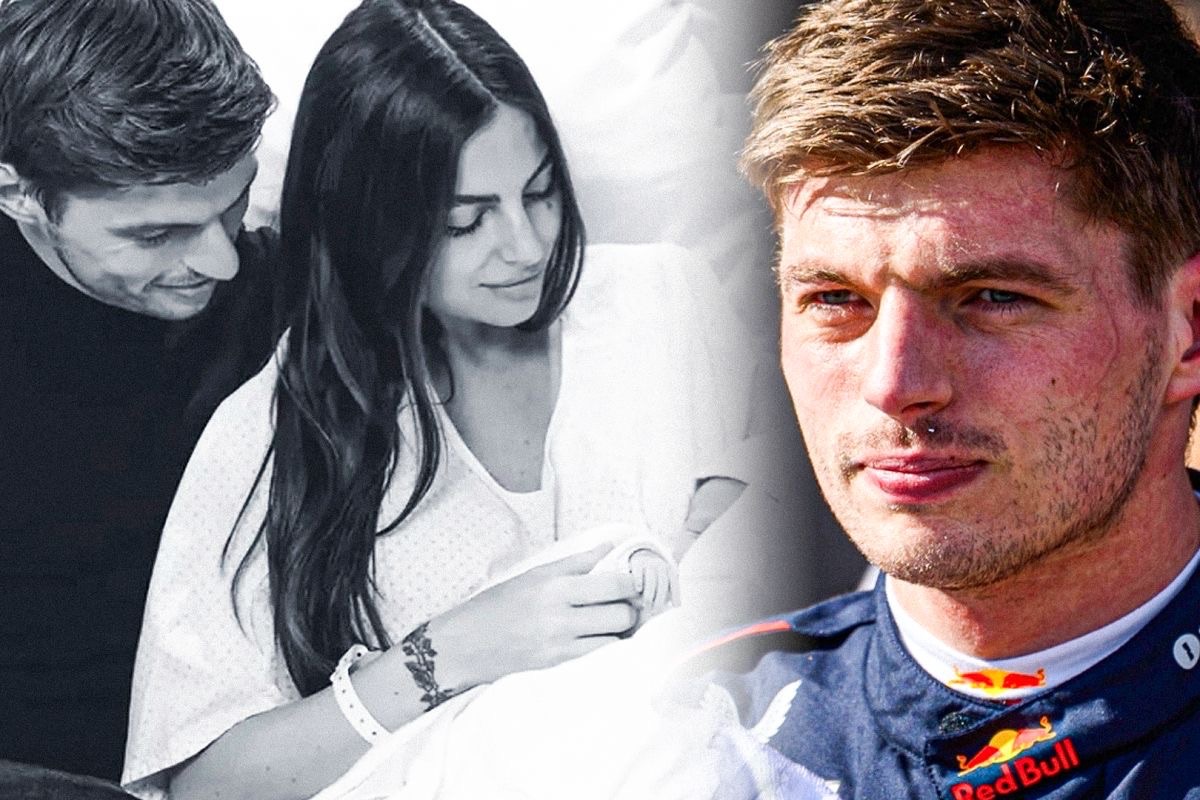
Max Verstappen’s Unexpected Reaction to the Idea of Daughter Lily Becoming a Formula 1 Champion — A Deep Dive Into His Views on Family, Racing, and What Matters Most
In a moment that surprised many within the Formula 1 community, four-time World Champion Max Verstappen offered a strikingly candid response when asked about the possibility of his daughter, Lily, one day following in his footsteps and becoming an F1 champion herself. Rather than embracing that fantasy, which is often eagerly shared by fans and pundits, Verstappen’s reaction was deliberately blunt and revealing — one that highlights a shift in his priorities and how fatherhood has reshaped his outlook on the sport, his life, and what it means to be a parent in the high-pressure world of elite motorsport.
Verstappen welcomed his daughter Lily earlier this year with his partner, Kelly Piquet. From the moment she arrived, the Dutch driver has spoken openly about how much he cherishes the time he gets to spend with his newborn. Fans have noticed a noticeable difference in Verstappen’s demeanor since becoming a father — less intense and more reflective compared to the fiercely competitive persona he has shown on track for much of his career. This shift was on full display during an end-of-season interview with Viaplay, where Verstappen was asked a question that many in the paddock and beyond have wondered about: Does he want his daughter to pursue a career in Formula 1, possibly even becoming the first female F1 world champion?
Instead of answering with encouragement or enthusiasm, Verstappen delivered a response that was both surprising and unambiguous. When posed with the idea of Lily becoming a champion in the sport, he replied, “I hope not. Please no. No, no, no — I hope not.” Those words stopped many in their tracks, not because Verstappen doubts his daughter’s talents, but because they reflect a deeper concern about the unique pressures that come with life inside Formula 1.
To understand why Verstappen reacted this way, it helps to look at his complex relationship with Formula 1 off the racetrack. While his results and dominance on track are undeniable, Verstappen has been increasingly vocal about frustrations with elements of the sport that have little to do with driving. This includes the intense media scrutiny, relentless promotional duties, politics within the sport, and what he perceives as an ever-expanding commercial environment. In recent seasons, Verstappen has made unconventional choices that underline this discomfort — such as skipping official FIA press conferences for a period and even choosing not to attend the premiere of an F1 movie that all drivers were invited to. For him, these decisions weren’t just gestures; they reflected a growing weariness with aspects of Formula 1 that he feels detract from the purity of racing itself.
In that context, Verstappen’s strong reaction to the idea of Lily becoming part of the sport makes more sense. It wasn’t meant as a comment on her ability or potential — many within the F1 community believe that with her genetic heritage and exposure to racing, she could thrive in motorsport if she chose to — but rather a heartfelt expression of wanting a different kind of life for his daughter than the one he has lived. In his mind, fatherhood has sharpened his instincts to protect Lily from the pressures and pitfalls that can come with being involved in one of the world’s most scrutinized and demanding sports.
Fatherhood has also seemed to shift Verstappen’s own priorities regarding his career. In the same interview where he spoke about Lily’s future, he hinted that his own time in Formula 1 might not stretch as long as some expect. Rather than chasing records into his late thirties or beyond, Verstappen signaled that the demands of modern Formula 1 — with its long calendar, extensive travel, and saturating media presence — might lead him to retire earlier than many anticipate. He suggested that continuing to race into his early forties, a common destination for many champions, could be “too much,” and that even retiring by age 34 might be on the table.
This doesn’t mean Verstappen no longer loves racing. On the contrary, he remains deeply passionate about driving competitive machinery and competing at the highest level. But the balance between the sport and life away from it — particularly time spent with family — is becoming increasingly important to him. For a man who has often been defined by his relentless pursuit of success on track, this evolving perspective is noteworthy. Today, Verstappen appears more committed to a balanced life where his identity is not solely tied to his achievements in Formula 1 but equally tied to his happiness and fulfilment as a father.
Another key factor in Verstappen’s views on his daughter’s future is the intense media spotlight that inevitably shines on the children of famous athletes. While some celebrities embrace this publicity, Verstappen’s reaction suggests he would prefer a more private, grounded upbringing for Lily — one that isn’t shaped by constant public commentary and expectations. He has previously been protective of his family’s privacy and has been cautious about how and when he introduces them to the spotlight of racing events or social media.
Ultimately, Verstappen’s response strikes at the heart of a universal question: What kind of life should parents want for their children? For many athletes, there’s an instinctive desire to see their children follow in their footsteps, particularly if they themselves have achieved greatness. But Verstappen’s answer flips that instinct, suggesting that what he truly wants for Lily is freedom — freedom to choose her own path, away from the limelight and the intense pressures that have defined so much of his own career.
In the end, Max Verstappen’s “shock reaction” wasn’t about dismissing his daughter’s potential — it was about protecting her from the harsh realities of the world he knows so well. Whether she chooses motorsport, arts, sciences, or any other arena, that decision should be hers — and for Verstappen, that’s what matters most: giving Lily the agency to pursue her passions on her own terms, without the immense weight of expectation that comes with being a Formula 1 driver’s daughter.